

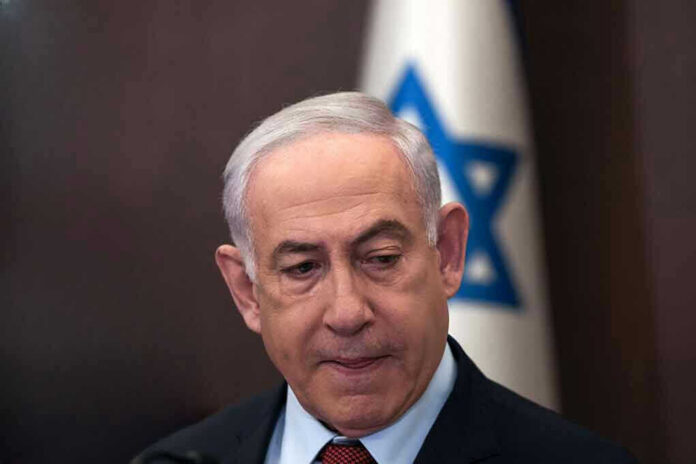
Netanyahu’s fiercest rivals, former PMs Naftali Bennett and Yair Lapid, merge parties into “Together” to exploit his legal woes and oust him from power before October elections.
Story Snapshot
- Bennett (right-wing) and Lapid (centrist) unite Bennett 2026 and Yesh Atid into “Together,” with Bennett as leader.
- Aims to consolidate opposition for 60-seat bloc against Netanyahu’s projected 50 seats in October 27 election.
- Follows 2021 coalition that toppled Netanyahu but collapsed after 18 months due to divisions.
- Polls and fatigue over trials, Gaza war drive merger, prioritizing anti-Netanyahu unity over ideology.
Merger Announcement Details
On April 26, 2026, Naftali Bennett and Yair Lapid announced the merger of their parties into “Together.” Bennett, a right-wing former prime minister from 2021-2022, leads the new unified party. Lapid, centrist head of Yesh Atid, steps back to enable this consolidation. The move targets Israel’s October 27, 2026, Knesset election under proportional representation with a 3.25% threshold for 120 seats. Lapid’s X post called it the “first step in repairing the State of Israel” by unifying the “Repair Bloc.”
Historical Precedent and Motivations
Bennett and Lapid previously formed a diverse 2021 coalition including left, right, and Arab parties that ended Netanyahu’s 12-year rule. That government lasted 18 months before collapsing from internal rifts. Netanyahu returned in 2022 with a right-wing religious bloc reliant on ultra-Orthodox and far-right allies. Recent April 23 N12 polls showed Bennett at 21 seats, Likud at 25, and Yesh Atid at 7, sparking merger talks amid Netanyahu’s corruption trials and Gaza war backlash. Their shared goal: oust Netanyahu through vote consolidation.
Polling Edge and Power Dynamics
Polls project the “Together” bloc at 60 seats versus Netanyahu’s coalition at 50, addressing opposition fragmentation that has long benefited him. Bennett’s tech entrepreneur background and right-wing Yamina roots appeal to center-right voters, while Lapid yields leadership for broader unity despite ideological gaps. Smaller parties may join to reach majority. This anti-Netanyahu focus echoes past “anyone-but-Bibi” pacts like 2019 Blue and White, which also faltered post-victory. Netanyahu’s base, including religious and settler communities, now faces a direct threat.
Benjamin Netanyahu’s biggest rivals merge Israeli political parties https://t.co/Rrrbr9qmxR
— Financial Times (@FT) April 26, 2026
Implications for Israel and U.S. Ties
Short-term, the merger could topple Netanyahu’s government, shifting to center-right rule. Long-term, it risks 2021-style collapse due to limited common ground beyond hostility toward Netanyahu. Socially, it reduces fragmentation but sidelines policy debates on judicial reforms and security. Economically, stability might boost markets amid war. Politically, a Bennett-led win influences U.S.-Israel relations under President Trump’s second term, Middle East security like Gaza policy, and regional geopolitics. Americans weary of elite-driven divisions see parallels in Israel’s elite power struggles.
Expert Views on Stability Risks
Analysts view the merger as opposition consolidation amid Netanyahu fatigue, backed by consistent polls. Optimists like Lapid call unity “like air to breathe.” Skeptics warn of fragility, noting the rivals share “little in common beyond hostility toward Netanyahu” and 2021’s short life. Sources across outlets confirm details with no major conflicts. This development underscores frustrations with entrenched leaders on both sides of the aisle, mirroring U.S. concerns over deep state elites prioritizing power over people.
Sources:
Netanyahu’s biggest rivals join forces for Israel’s next election
Netanyahu’s two biggest rivals join forces ahead of October election
Former Israeli prime ministers agree to merge parties against Netanyahu
Two former Israeli prime ministers agree to merge parties against Netanyahu