
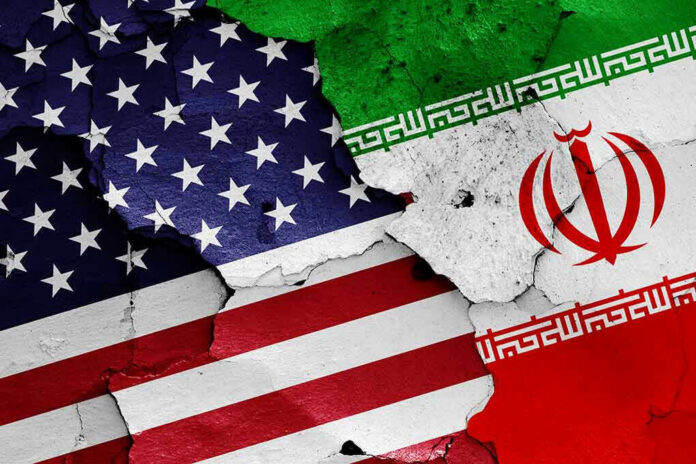
Trump says an Iran peace deal will be signed tomorrow, but clashing signals raise real questions about what Tehran will actually honor.
Story Snapshot
- Trump signals a signing ceremony could happen within 24 hours [7][8].
- Reports say negotiators shaped a 60-day memorandum to extend a ceasefire and set steps on nukes and shipping [2][10].
- Iranian messaging has been uneven, with pushback on nuclear limits and leaked claims Trump called “fake” [5][8].
- Energy security and freedom of navigation through the Strait of Hormuz remain core U.S. aims [10].
White House Signals: Signing Could Be Hours Away
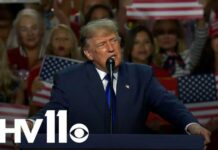
President Donald Trump told reporters a United States–Iran deal could be signed as soon as tomorrow, pointing to a possible ceremony in Europe. Coverage of the remarks stressed that the timing could shift based on final text and logistics, but the President framed the agreement as close to done [7][8]. This follows weeks of shuttle talks that aimed to end active fighting, lock in verifiable steps on Iran’s nuclear work, and reopen key shipping lanes that affect American families through energy prices [8].
Axios reported that United States and Iranian negotiators reached an agreement on a 60-day memorandum to extend a ceasefire and launch follow-on talks on harder issues [2]. A separate Axios exclusive outlined expected parts of the package, including keeping the Strait of Hormuz open for global commerce and structured steps on nuclear activity with monitoring elements [10]. Canadian Broadcasting Corporation coverage said a senior American official believed a draft consensus existed and that a signing could come as early as Sunday, pending leaders’ final approval [1].
Iran’s Mixed Messages Complicate the Timeline
Iranian outlets and officials have offered uneven signals on what is actually agreed. Some comments suggested no final decision had been reached and pushed back on strict nuclear limits. That conflicted with American claims about written terms and verification paths. Trump publicly blasted Iranian leaks and said they did not match the text negotiators shaped. The clash underscored a common pattern in hard diplomacy where public spin runs ahead of signed, enforceable language [5][11].
This dispute fits a known cycle seen in ceasefire and arms talks: parties float draft elements to test reactions while lawyers and technical teams finish details. Time magazine reported that a senior administration official described a framework where Iran would commit not to seek nuclear weapons while shipping routes would be secured, but the exact verification steps remained central to closing the deal [11]. That gap between political talk and technical locks explains why timelines have slipped before and could slip again if Tehran hedges [11].
What Matters for Americans: Energy, Deterrence, and Verification
Energy security sits at the heart of this deal’s value for American workers and families. The Strait of Hormuz carries a large share of the world’s oil and fuels. Axios reported the draft would ensure safe passage, which can ease price spikes that hit gas, groceries, and freight costs across our economy [10]. Conservatives want peace through strength, not one-sided giveaways. A real win means tankers move safely, American forces stay protected, and Iran faces real checks if it cheats [10].
Iran war peace deal to be signed in 24 hours, says Trumphttps://t.co/l9pTbt2TyY
— Channel 4 News (@Channel4News) June 13, 2026
Verification is the red line. Past nuclear talks under globalist frameworks weakened trust after Iran exploited gray areas, and the United States walked away from the old nuclear deal in 2018 for that reason [13]. Any new understanding must have clear triggers, tight inspections, and snap-back penalties if Tehran violates terms. The administration says the memorandum would launch follow-on talks on tougher issues. That only works if day-one rules are strong, monitored, and tied to consequences that deter bad behavior [2][13].
How to Read the Headlines: Cautious Optimism, Firm Standards
Readers should separate two things: a ceremonial signing and a binding, enforceable agreement. Reports say negotiators shaped a 60-day plan to stop the shooting, secure shipping, and set nuclear steps. But Iran’s mixed public line and leaks raise doubts about what it will accept in writing and allow inspectors to check. The White House appears ready, yet it also insists Tehran must meet the text as negotiated. That stance reflects peace through strength, not trust without proof [1][2][10].
Bottom Line for Conservatives
If signatures land tomorrow, the first test is simple: Do ships move freely, do rockets stop, and do inspectors get access under tough rules? If yes, Americans win on safety and at the pump. If no, pressure must snap back fast. Trump’s team says the door is open to a deal that serves our interests and protects our people. That deal must be judged by actions, not words. Trust is earned through verification, not press releases [2][10][11].
Sources:
[1] Web – BREAKING: Trump says Iran peace deal to be signed tomorrow
[2] Web – U.S. and Iran signal peace deal close as reports suggest terms …
[5] YouTube – US-Iran peace deal has ‘never been closer,’ foreign minister says
[7] YouTube – Trump, Tehran say peace deal is close, but Iranians don’t buy it
[8] YouTube – Trump announces possible weekend signing ceremony
[10] YouTube – Will there be a deal to end the Iran war this time? | Inside Story
[11] Web – Exclusive: What’s inside the Iran deal Trump is close to signing – …
[13] YouTube – Trump claims ‘great’ peace deal with Iran | DW News
© truetrendnews.com 2026. All rights reserved.