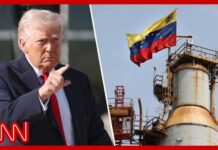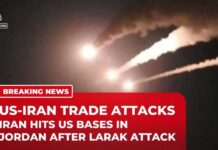

As Washington briefly halts strikes on Iran while Houthis hammer Saudi oil facilities, many Americans see a war machine on autopilot that protects global energy flows more than their own security and prosperity.
Story Snapshot
- The United States has paused direct strikes on Iran even as regional fighting continues.
- President Trump has ordered several short-term pauses before, often tied to negotiations and war powers deadlines.
- Iran and the United States keep trading limited attacks around the Strait of Hormuz despite ceasefire language.
- Houthi forces are attacking Saudi tankers and oil sites, threatening energy supplies and shipping lanes.
What Today’s “Pause” In Iran Strikes Really Means
President Trump has publicly ordered pauses in bombing Iran several times during this war, often for a set number of days and tied to talks or truce proposals from mediators. In one key case, he agreed to halt airstrikes and “hostilities” for two weeks after discussions with Pakistan’s prime minister, saying he would give diplomacy a chance. At the same time, U.S. officials told reporters there were nights with no new American strikes while defensive actions against incoming missiles and drones continued. This pattern helps explain why today’s pause feels more like a brief reset than a real end.
Reporters covering the conflict describe a stop‑and‑go rhythm, not a clean break in fighting. Strikes have been canceled only hours before launch, then re‑authorized days later when Iran attacks ships or bases again. One senior administration official even told Reuters that a ceasefire starting in early April “ended” hostilities for legal purposes under the War Powers Resolution. Yet limited strikes still went on inside a ceasefire framework, with the United States claiming self‑defense as Iran kept firing missiles at partners and commercial vessels. Many citizens see this as proof that Washington’s war powers rules have become paperwork, not true limits.
Houthis Target Saudi Oil As Energy Routes Stay In The Crosshairs
While U.S. strikes on Iran slow for the moment, regional proxies are not pausing. Yemen’s Houthi movement has stepped up attacks on Saudi tankers and oil facilities in the Red Sea and nearby waters, aiming at the fuel and shipping lifelines that global markets rely on. These attacks add pressure on Saudi Arabia and other Gulf states that already face Iranian missiles and drones. They also raise the risk that any hit on a major pipeline or export terminal could send energy prices higher at home, where many Americans already struggle with bills and inflation.
For years, both conservatives and liberals have watched U.S. war policy in the Middle East revolve around “protecting the free flow of oil” and securing sea lanes like the Strait of Hormuz. Operation Epic Fury, the joint U.S.–Israeli campaign against Iran that began in late February 2026, focused heavily on destroying Iranian ballistic missile sites and command centers that threaten shipping and regional bases. As Houthis go after Saudi energy assets and Iran keeps targeting commercial ships, it looks to many like Washington is locked into defending a global energy system that has not delivered stable prices, cheap fuel, or strong wages for ordinary families back home.
Confusing Ceasefires Feed Deep State Suspicions On Both Left And Right
The back‑and‑forth over pauses, ceasefires, and “terminated hostilities” feeds a growing belief that the federal government is no longer straight with the public. Trump announces two‑week or five‑day pauses; officials quietly extend energy‑target pauses; then limited strikes resume under new labels when Iran launches fresh attacks. Analysts argue these moves are part of a deliberate escalation‑management strategy, where Washington squeezes Iran and its partners but never fully commits to war or peace. To many voters, it feels like the war machine runs on its own timetable, with shifting legal language that masks the reality of constant conflict.
People across the political spectrum see reasons to doubt the system. Conservatives angry about globalism and high energy costs ask whether these operations mainly protect foreign elites, big banks, and multinational corporations that profit from trade through Hormuz. Liberals upset about the “haves and have‑nots” question why billions go to bombing campaigns while social programs at home are cut or squeezed. Both sides hear anonymous officials speaking to media instead of clear Pentagon orders about when bombing really stops. That silence from the Defense Department and United States Central Command lets talk of a “deep state” thrive.
Strategic Pause Or Tactical Stutter? Why The Pattern Matters
Foreign policy experts say these short, conditional pauses are baked into how Washington now fights wars against Iran. Instead of a formal peace or full‑scale invasion, leaders use time‑bound halts to manage risk, calm allies, and meet legal deadlines, then restart strikes when they think deterrence is slipping. Commentators describe the latest gap in bombing not as true de‑escalation, but as a “strategic pause” meant to reset targets, gauge Iran’s next moves, and keep pressure on without triggering all‑out regional war. That kind of careful balancing may make sense in military briefings, but it clashes with Americans’ desire for clear, honest choices about war and peace.
The result is a conflict that feels endless and opaque. Heavy bombers fly from distant bases, missiles hit far‑off oil terminals, Houthis strike tankers in seas most citizens will never see, and yet gas, rent, and groceries at home stay expensive. Each “pause” is announced with big words about diplomacy and restraint, only to give way to the next wave of “limited” attacks under a fresh label. For many Americans, that is the deeper story behind Iran War Day 148: not only a fight over tankers and missiles, but another sign that the federal government answers first to global systems and elite interests, and only later to the people it claims to serve.
Sources:
theamericanconservative.com, reuters.com, abc7ny.com, youtube.com, cbsnews.com, aljazeera.com, en.wikipedia.org, khq.com, politico.com, english.ahram.org.eg
© truetrendnews.com 2026. All rights reserved.