
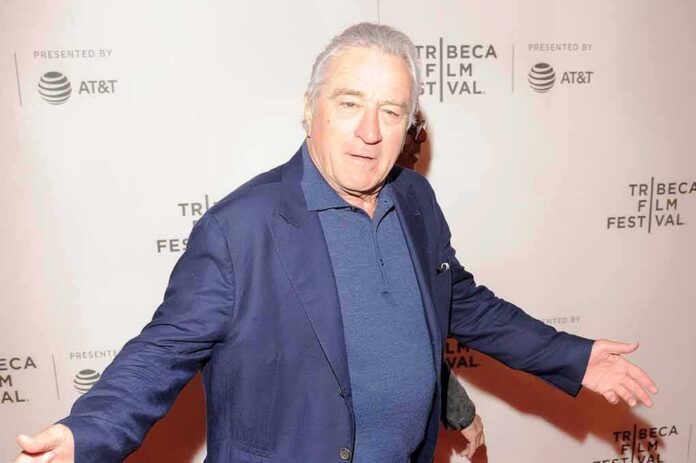
Hundreds of thousands of records tied to the Tribeca Film Festival sat open on the internet, quietly exposing contact details for some of the biggest names in Hollywood to anyone who knew where to look.
Story Snapshot
- A security researcher says Tribeca-linked cloud databases exposed over 666,000 records, including celebrity contact details.
- Names reported in the leak include Angelina Jolie, Robert De Niro, Martin Scorsese, Jennifer Lawrence, George Lucas, and others.
- The festival removed the databases after being alerted and says most exposed data was business contact information, not personal lines.
- The case shows how simple cloud mistakes can put famous and everyday people at risk in a system many feel the “elites” no longer control or secure well.
What reportedly happened in the Tribeca celebrity data leak
Cybersecurity researcher Jeremiah Fowler says he found several Tribeca Film Festival databases that were not protected and were visible to the public online. These cloud databases reportedly held a total of about 666,369 records covering years from 2019 through 2026. Reports say a database labeled “contacts” and other folders linked to festival systems stored names, phone numbers, email addresses, mailing addresses, and internal communications for actors, directors, staff, and industry guests. Fowler says he quickly alerted the festival once he confirmed the exposure.
News outlets describe the data as touching many A‑list celebrities whose names often dominate headlines. Reports list Angelina Jolie, Robert De Niro, Martin Scorsese, George Lucas, Danny Boyle, Jennifer Lawrence, Morgan Freeman, Winona Ryder, Sharon Stone, Rami Malek, and others among those tied to exposed records. Some stories say the leak also included detailed device information, such as iPhone models and web browsers used to access festival systems. That kind of technical data can make it easier for scammers to target specific people or craft convincing attacks.
Exposure versus “breach”: what we know and what is still unclear
Journalists who reviewed Fowler’s findings say the problem came from unsecured or misconfigured cloud databases, not from a hacker breaking through locked systems. In plain terms, the door may never have been locked in the first place. Fowler and later reports describe the databases as “publicly accessible,” meaning anyone who found the right address could view the records without a password. At the same time, one broadcast summary notes there is no confirmed evidence that criminals accessed or misused the celebrity data before the leak was fixed.
That gap matters. Many privacy experts draw a line between a data “exposure” and a full-fledged “breach.” In an exposure, information is left open, often by human error, but investigators cannot yet prove someone stole or abused it. In a breach, there is clear proof of unauthorized access, downloads, or blackmail demands. In the Tribeca case, sources tied to the festival say most contact details may belong to managers and agents, not to the stars themselves. That point, if correct, would change how much personal harm celebrities actually face, even though the system failure remains serious.
How Tribeca is responding and what the festival says about the data
Reports say Tribeca removed the exposed databases soon after Fowler notified them and stated that an investigation was underway. A social post quoting a festival spokesperson claims that personal contact information for the headline talent named in coverage was not disclosed and that most of the data involved public-facing business contacts. This response suggests the festival is trying to draw a clear line between agents’ office numbers and private cell phones carried by famous actors and directors, though it has not yet released a detailed technical incident report.
The festival has not publicly shared cloud logs, configuration records, or full screenshots that would let outside experts verify exactly what was exposed and for how long. Different reports also disagree on whether three or four databases were involved and how many records contained truly sensitive information. That confusion feeds public doubt. When large organizations control the flow of evidence, many citizens on both the left and the right worry that powerful players can spin the story while the rest of us are left guessing what really happened and whether lessons will be learned.
Why this leak matters beyond Hollywood: privacy, power, and growing distrust
This incident looks like yet another example of how modern cloud systems can quietly fail in ways that hurt both ordinary people and celebrities, while no one in charge seems fully accountable. A single misstep in how a database is set up can expose hundreds of thousands of records, and the damage may never be fully known if logs are incomplete or kept secret. Many Americans feel that big institutions – from tech companies to film festivals to government agencies – collect huge amounts of data yet do not invest enough in basic security.
For frustrated conservatives, this fits a pattern where elite cultural events talk about justice and inclusion but still cannot protect simple personal details from sloppy handling. For frustrated liberals, it highlights how big organizations often prioritize branding and damage control over transparency and the safety of vulnerable people in the system. Both sides increasingly agree that the people running major institutions behave like a self-protecting club. When a festival tied to Hollywood’s insiders has a “biggest collection of celebrity data” sitting open online, it reinforces a wider fear: the same careless attitude could also apply to voter files, medical records, or financial data the public depends on.
What everyday readers should watch for next
Going forward, the most important missing piece is a clear, independent report that answers basic questions: who set up these databases, when did they become public, how long did they stay exposed, and what exact fields were at risk. Tribeca could ease fears by commissioning a neutral cloud-security review and releasing a summary with technical details written in plain language. If outside auditors confirm that no bad actors grabbed the data, that would matter. If they find gaps or repeated mistakes, it would support calls for stricter rules on how big organizations handle our information.
Readers should also watch whether this story fades as “just a celebrity scandal” or whether it sparks deeper talk about data rights. The same tools that can expose Angelina Jolie’s contact details can expose yours. For many who already believe the “deep state” and private elites treat personal data as their property, this leak is not an isolated accident. It is another warning that without real consequences for negligence, the systems that hold our lives in the cloud will keep failing, and regular people will carry most of the risk.
Sources:
telegraph.co.uk, pjmedia.com, youtube.com, itnerd.blog, facebook.com
© truetrendnews.com 2026. All rights reserved.