
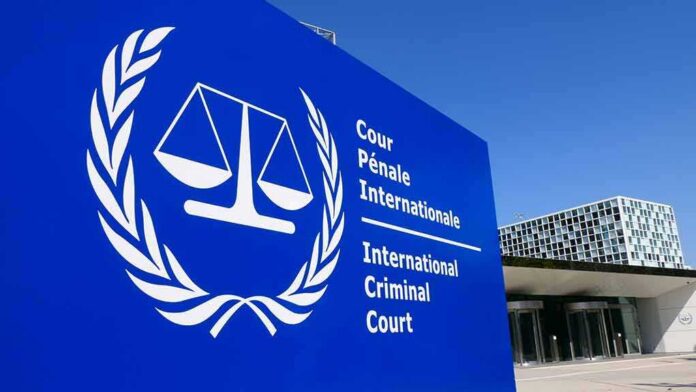
A United Nations-backed court has ordered Rodrigo Duterte to stand trial for crimes against humanity, marking the first time a Philippine ex-president faces such charges in The Hague.
Story Highlights
- Judges confirmed all three charges and sent Duterte to trial after a February hearing.
- The court found reasonable grounds that Duterte bore responsibility as an indirect co-perpetrator.
- At least 539 victims are cleared to participate through court-appointed lawyers.
- Lawyers are seeking to admit some recorded witness statements; the defense plans to challenge them.
What The Court Decided And Why It Matters
Pre-Trial Chamber I of the International Criminal Court unanimously confirmed three crimes against humanity charges against Rodrigo Duterte on April 23, 2026, and committed him to trial. Judges reached that decision after a public confirmation hearing held from February 23 to 27, where prosecutors, victims’ lawyers, and the defense argued their positions. The ruling states there are reasonable grounds to believe Duterte is responsible as an indirect co-perpetrator for alleged murders tied to anti-drug operations between 2011 and 2019.
The International Criminal Court’s process moves the case beyond investigation and into full trial, where evidence will be tested in open court. Prosecutors filed redacted versions of the charging document and a detailed pre-confirmation brief in September 2025, laying out their theory and key proof. The confirmation standard is lower than the bar for conviction, but the unanimous decision signals the judges found the prosecution’s case coherent and backed by enough material to proceed.
How The Trial Will Handle Evidence And Witnesses
Victims’ representatives asked the court to admit prior recorded testimony from three witnesses about alleged extrajudicial killings in Central Luzon, calling the accounts relevant, reliable, and consistent with other statements. Defense counsel has moved to exclude at least two of those recorded accounts, arguing for live testimony and cross-examination about sources and circumstances. Under court rules, recorded testimony can be allowed when it does not go to the direct acts and conduct of the accused.
Judges will decide which witnesses testify in person, by video link, or through records. That choice will shape how quickly the case moves and how the court weighs each statement. The prosecution also points to a broader pattern of killings and attempted killings connected to an alleged policy during the charged years. The trial chamber will test whether those events form a widespread or systematic attack and whether Duterte’s role met the legal elements for crimes against humanity.
What Victim Participation Means In This Case
The court has authorized 539 victims to join the case through common legal representatives, giving affected families a direct voice in the process. The court appointed Joel Butuyan, Gilbert Andres, and Paolina Massidda as the lawyers for participating victims. Their role includes making submissions on measures to protect victims and on how the court should receive certain evidence. Their input can help the chamber understand harm, patterns, and impact beyond individual incidents.
The ICC expects former President Rodrigo Duterte to attend every day of his trial, which opens on November 30.
The court also rejected victims’ representatives’ request to use Tagalog in parts of their opening statement.
Read more: https://t.co/ymfgybBTtu pic.twitter.com/R2SDc9HpKM
— Inquirer (@inquirerdotnet) November 3, 2026
Victim participation is not proof of guilt, and the judges will decide the case on the trial record. Still, the large number reflects how many people say they were harmed and want the court to weigh their experience. For many readers, that speaks to a shared worry: when national systems struggle or refuse to act, international courts become the venue of last resort to test serious claims and seek accountability.
Why This Resonates Beyond The Philippines
The case follows a pattern seen in global justice: linking violence on the ground to decisions by leaders at the top is hard but central to accountability. Crimes against humanity law does not require a leader to pull the trigger. It requires proof of a widespread or systematic attack and a leader’s contribution and control within a common plan. This trial will ask whether policy, orders, or tolerated practices tied the killings to Duterte’s authority during the charged period.
Sources:
youtube.com, icc-cpi.int, tribune.net.ph
© truetrendnews.com 2026. All rights reserved.