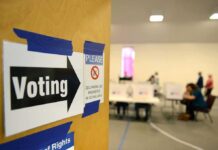


Colorado voters approved three child-focused ballot measures, setting new penalties and rules that will shape schools, sports, and medical care statewide.
Story Highlights
- Voters passed Propositions 133, 134, and 135, with two close margins and one decisive win.
- Proposition 133 raises the penalty for child sex trafficking to life in prison without parole.
- Proposition 134 requires school and college sports teams to follow sex assigned at birth, with narrow exceptions.
- Proposition 135 bans certain sex-characteristic surgeries for minors but allows nonsurgical care.
What Voters Approved And By How Much
Unofficial statewide counts showed voters saying yes to all three measures. News outlets reported Proposition 135 passing about 52% to 48%, while organizers said Proposition 133 cleared 62% support. Those results point to both a mandate on trafficking penalties and a divided public on medical policy for minors. The Associated Press reported the final spread on Proposition 135 at 52.2% to 47.8%, confirming a narrow but clear win.
Proposition 133, titled the Children Are Not for Sale Act, raises the stakes on child sex trafficking. It sets life in prison without parole for trafficking a minor for sexual servitude, with an exception for victims forced to help their abusers. Supporters framed it as closing gaps in punishment. Church leaders also backed the package, citing a duty to protect children and support families across the measures.
How The Sports Measure Changes School Rules
Proposition 134 changes how schools and colleges set team rosters. The measure requires every team to be labeled male, female, or coed. It generally bases team eligibility on sex assigned at birth. It allows girls to play on boys’ teams when no girls’ team exists. Supporters argued this rule protects fairness and safety in competition. Reporters noted that the measure amends state statute, which lawmakers could later revise by a simple majority.
Opponents argued the rule could exclude some students and create new costs and checks for families and schools. Civil rights groups warned that it hands sensitive decisions to the state. They said the measure does not explain how schools should verify a student’s sex, which could lead to invasive checks. Critics framed the vote as a rollback of rights for transgender students in sports settings.
What The Surgery Ban Does And Does Not Do
Proposition 135 bans surgeries meant to alter a minor’s biological sex traits because of gender identity. The measure carves out medical exceptions. It does not ban puberty blockers, hormone therapy, or counseling. Supporters called this a narrow guardrail that avoids life-altering procedures on minors while allowing nonsurgical care to continue. State election materials and reporters described the ban’s scope and the specific focus on surgery rather than all gender-related care.
Opponents said the impact could spread beyond what backers claimed, affecting how doctors deliver care. They argued that families and medical experts, not the government, should make such decisions. Groups promised to keep challenging what they view as new barriers to needed care and full participation in school life. They framed the measures as part of a broader fight over civil rights and health care access for transgender youth.
Why This Vote Matters Beyond Colorado
Colorado’s move fits a national trend where states draw hard lines on school sports and youth medical policy. Courts and lawmakers across the country are wrestling with fairness in athletics, parental rights, and scientific uncertainty. This vote shows how fast statewide rules can shift when campaigns tap into worries about child safety and trust in institutions. Because Propositions 134 and 135 change statutes, the state legislature can still alter their details later if political winds change.
Grassroots, Not Money, Won The Ballot Initiatives In Colorado!
Erin Lee, Protect Kids Colorado, fought for three years to protect children from gender ideology and defend girls sports; On November 3rd the efforts of one mom and 5000 plus grassroots volunteers paid off. Three… pic.twitter.com/BTa37i4gWe— Moms for Liberty (@Moms4Liberty) November 7, 2026
The common ground for many voters was not perfect agreement on identity or medicine. It was anxiety that large systems are not listening to families. Backers saw the measures as a win for parental voice and child protection. Opponents saw them as state overreach into private life. Both sides now turn to implementation, likely court tests, and a fresh round of debate over how schools and clinics carry out the new rules and how agencies enforce the trafficking penalty.
Sources:
facebook.com, coloradokids.org, coloradotimesrecorder.com, gazette.com, cpr.org, denverpost.com
© truetrendnews.com 2026. All rights reserved.