

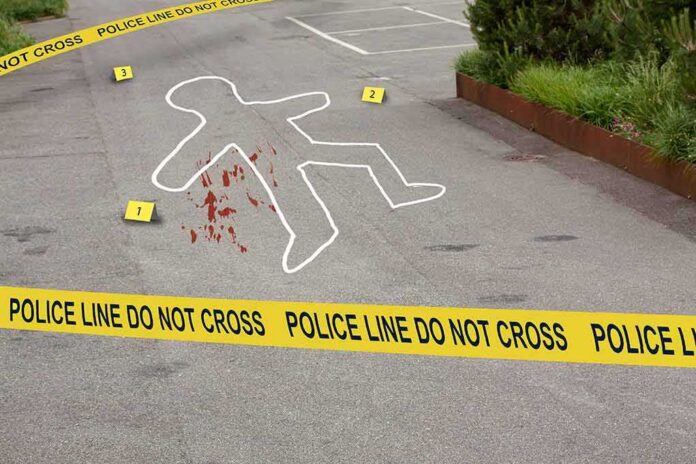
A former New York City police officer turned school aide has been charged with murdering a 28-year-old jogger on a Brooklyn waterfront path, sharpening public fears about safety and accountability.
Story Snapshot
- Police arrested Sayed Mohassib on November 7 and charged him with second-degree murder, evidence tampering, and weapon possession.
- Detectives said they developed evidence placing Mohassib at the attack scene along the Shore Parkway Greenway on October 30.
- Katie Suarez was stabbed in the neck, taken to NYU Langone Hospital–Brooklyn, and died days later.
- Unnamed law-enforcement sources said Mohassib referenced a knife and waking up covered in blood.
Arrest, Charges, and What Police Say They Found
New York City police arrested 27-year-old Sayed Mohassib on November 7 and charged him with second-degree murder, tampering with physical evidence, and criminal possession of a weapon. Police announced the arrest the same day and identified the charges. Multiple outlets reported the same set of counts, which signal a case built on more than simple presence at the scene. Prosecutors will now have to map those charges to specific acts and proof in court filings.
Detectives said they developed evidence that placed Mohassib at the site of the stabbing. Police did not detail the type of evidence in public statements. Reporters did not cite surveillance video, DNA, fingerprints, or phone records in their early coverage. That level of detail often appears later, after arraignment or in discovery. For now, the department’s description remains the backbone of the public account of how investigators tied a suspect to the scene.
The Attack and Medical Outcome Along Brooklyn’s Waterfront
Police said the attack happened on October 30 along the Shore Parkway Greenway by the Belt Parkway in Bath Beach, Brooklyn. Jogger Katie Suarez, age 28, suffered stab wounds to the neck while running on the waterfront path. Emergency crews took her to NYU Langone Hospital–Brooklyn in critical condition. She died several days later, according to reports. The timeline links the assault to the death and frames the legal basis for the homicide charge now filed against Mohassib.
Local reporting described the route with slightly different terms, including the Belt Parkway bike path and the Brooklyn waterfront. These labels likely refer to the same corridor that runs beside the parkway and shoreline. That area draws runners and cyclists during daylight and evening hours. The setting explains why the case has stirred strong reactions. People want to know whether cameras cover the path and whether any footage helped guide the arrest.
Alleged Statements and the Role of Anonymous Sources
Two unnamed law-enforcement sources told NBC New York that Mohassib discussed walking along the Belt Parkway with a knife and later waking up covered in blood. Those reported statements, if accurate and admissible, could weigh heavily in court. But the public has not seen a transcript or recording that confirms the wording or context. Early reports often quote sources while formal documents surface later through court records.
Former NYPD Officer Charged in the Fatal Stabbing of 28-Year-Old Brooklyn Jogger Katie Suarez https://t.co/EBRwO0IMVb
— People (@people) November 8, 2026
News outlets also highlighted Mohassib’s background. Reports said he once served briefly as a New York City police officer and later worked as a substitute school aide. That mix of roles fuels debate about screening, fitness for duty, and oversight across city institutions. People on the right and left worry that public systems miss warning signs until tragedy hits. This case will add to calls for tighter checks and better information sharing between agencies.
What Comes Next in an Early-Stage Homicide Case
The case now moves to the courts, where evidence faces rules and review. Key items to watch include any surveillance video from the path, forensic testing on a recovered weapon if one exists, and medical examiner findings that detail cause and manner of death. Prosecutors must also show why second-degree murder fits the facts, including what they believe shows intent. Those answers usually appear in charging papers, hearings, and later filings.
Why This Case Resonates Beyond One Crime
Many Americans feel core systems are not working. They see leaders tell them to trust the process while violent crime still hits public places. They also worry that leaks and headlines decide reputations before trials do. This story taps both fears. A young woman died on a public path. A former officer stands accused. The path to trust runs through evidence tested in open court, not through selective quotes or quick takes online.
Sources:
facebook.com, nytimes.com, bronx.news12.com, nbcnewyork.com, abc7chicago.com, brooklyn.news12.com, nbcnews.com
© truetrendnews.com 2026. All rights reserved.