

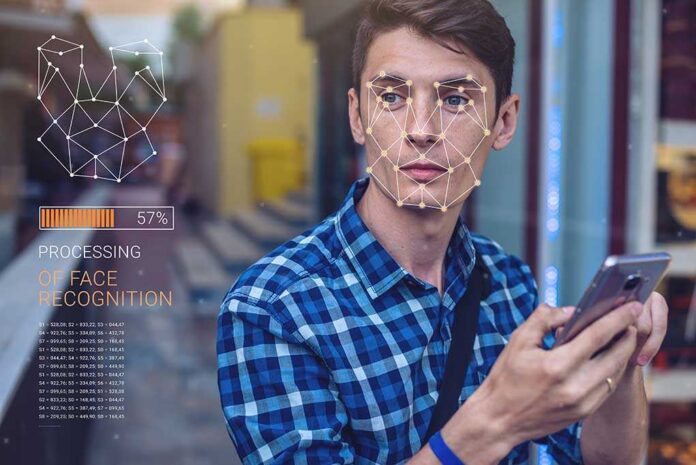
truetrendnews.com — Disney’s new facial-recognition rollout at Disneyland has already triggered a $5 million privacy fight over whether families were clearly told what was being collected.
Quick Take
- A class action complaint says Disney did not adequately disclose biometric collection at park entrances [1][2].
- The lawsuit names Summer Christine Duffield and says she visited Disneyland with her minor children on 10 May [2].
- Disney says guests can use marked opt-out lanes and that numerical values are deleted within 30 days, except for legal or fraud-prevention needs [1][2].
- The dispute centers on consent, notice, and whether a family entertainment venue can quietly collect sensitive face data [1][2].
What the Lawsuit Says
The complaint was filed in federal court in California and alleges that Disney violated privacy, competition, and consumer protection laws by using facial-recognition technology at Disneyland and Disney California Adventure entrances [1][2]. Reporting says the system scans guests’ faces, converts them into numerical identifiers, and matches those identifiers with ticket data [1][2]. The plaintiffs are seeking at least $5 million in damages and a requirement that Disney obtain written consent before using the technology [1][2].
That framing matters because the case is not just about one theme park. It fits a wider national pattern in which companies build faster, smoother entry systems while critics argue that the public is left with weak notice and little real choice. Many Americans across the political spectrum already distrust large institutions that seem to move first and explain later. A lawsuit like this feeds that skepticism because it turns a routine family outing into a data-collection dispute.
Disney’s Defense and the Opt-Out Question
Disneyland has publicly rejected the allegations. Spokesperson Jessica Jakary said the company respects and protects guest information and believes the claims are without merit [2]. The company also says guests can avoid biometric processing by choosing marked lanes that use manual ticket validation instead of facial recognition [2]. That detail gives Disney a concrete defense, but it does not settle the core issue: whether the notice was clear enough for visitors to understand their choices before they entered the park.
Disney’s retention explanation adds another layer of tension. The reporting says the company keeps numerical values for up to 30 days, except when retention is needed for legal or fraud-prevention purposes [1][2]. To supporters, that sounds like a limited policy tied to operations and security. To critics, it sounds like a broad carveout that could swallow the rule. Without the full complaint, entrance signage photos, or the underlying court filings, the public still lacks the documents needed to test either side’s claims.
Why the Case Resonates Beyond Disneyland
Parents, privacy advocates, and even skeptics of big-government surveillance can all see the same concern here: powerful systems can be deployed in plain sight while ordinary people remain unsure what they agreed to. That concern is especially sharp when minors are involved, since the complaint says consumers “almost always include children” [1][2]. If the case survives, it may become another example of how biometric technology keeps pushing into everyday life faster than consent rules can keep up.
Disneyland targeted in class-action lawsuit claiming new program is violating guests’ privacy | Nina Joudeh, New York Post
Disney has been hit with a class-action lawsuit over accusations it has quietly gathered guests’ biometric data using hotly debated facial recognition… pic.twitter.com/PpIMp5puzG
— Owen Gregorian (@OwenGregorian) May 20, 2026
For now, the dispute remains early and evidence still matters. The reporting shows a real lawsuit, a real corporate denial, and a real policy debate about biometric collection at the gate. It does not yet show a court ruling or proof that Disney broke the law. What it does show is a familiar American problem: ordinary people are asked to trust systems they did not design, did not fully see, and may not have had a meaningful chance to avoid.
Sources:
[1] Web – $5M Class Action Lawsuit Filed Against The Walt Disney Co. Over …
[2] Web – Disneyland faces $5m lawsuit over facial recognition tech | blooloop
© truetrendnews.com 2026. All rights reserved.