
Iran is threatening to walk away from the 2026 World Cup—hosted on U.S. soil—turning the world’s biggest sporting event into a referendum on war, security, and sovereignty.
Story Snapshot
- Iran’s sports minister said on March 11, 2026, that Iran will not participate in the 2026 FIFA World Cup, citing safety concerns after the death of Supreme Leader Ayatollah Ali Khamenei during strikes linked to the U.S. and Israel.
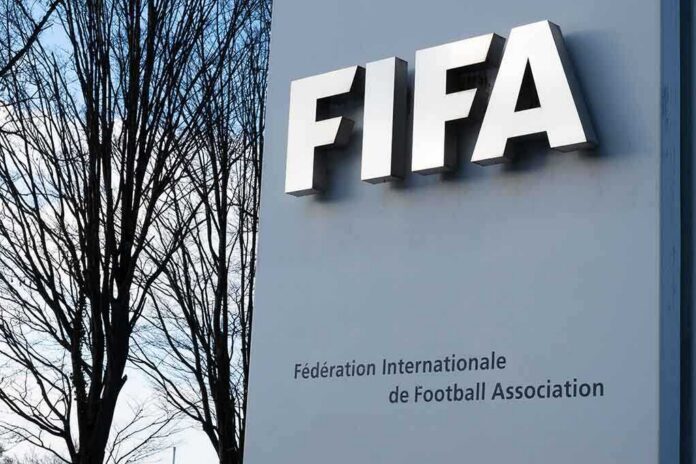
- FIFA President Gianni Infantino publicly signaled Iran would be “welcome,” after meeting with President Donald Trump, even as Trump expressed indifference about Iran’s participation.
- Reports say Iran’s group-stage matches were scheduled for U.S. cities, intensifying Iran’s claim that players would face unacceptable risk in the host country.
- Outlets report the withdrawal has been announced by Iranian officials but had not yet been formally processed or confirmed by FIFA as final.
Iran’s Withdrawal Threat Collides With a North American World Cup
Iran’s Sports and Youth Minister Ahmad Donyamali said on Iranian state television that the national team would not participate in the 2026 FIFA World Cup, pointing to insecurity for players after the killing of Supreme Leader Ayatollah Ali Khamenei. Multiple reports describe the tournament as a U.S.-Canada-Mexico co-hosted event, with Iran’s group matches slated for U.S. venues—raising the practical stakes of any boycott for FIFA and host organizers.
Iran’s football federation president, Mehdi Taj, echoed the argument that sending players into the current situation is not realistic. The key limitation is procedural: reporting indicates a political announcement and intent, but not a completed FIFA withdrawal decision. Until FIFA processes an official withdrawal, planners remain stuck between a real-world schedule and a fast-moving geopolitical crisis that threatens to disrupt the group stage and ticketing plans.
FIFA Tries to Stay “Neutral” as Trump Signals He’s Not Invested
FIFA President Gianni Infantino publicly communicated that Iran would be welcome at the tournament following a meeting with President Donald Trump. At the same time, reporting also quotes Trump as saying he “really” does not care whether Iran takes part. That split-screen message—FIFA signaling inclusion while the U.S. president signals indifference—illustrates how international sports bodies attempt to project neutrality even when the host nation’s leadership is focused elsewhere.
For American fans, the collision between global sports branding and national security realities is hard to ignore. A World Cup hosted largely in the United States inevitably relies on U.S. border enforcement, venue security, and travel vetting—areas where the post-Biden political shift has emphasized sovereignty and tighter controls. Reports also reference U.S. travel restrictions affecting Iranian fans, a factor that would further politicize participation even if the team itself were cleared to play.
What the Reports Say Happened: Strikes, Escalation, and Competing Narratives
Multiple outlets describe a late-February 2026 escalation involving U.S. and Israeli military action against Iran tied to missile and nuclear targets, with Khamenei killed in a strike in Tehran described as enabled by U.S. intelligence. Reports also cite claims of significant civilian casualties, including a figure exceeding 1,300 deaths attributed to an Iranian official cited in coverage. These figures and descriptions are central to Iran’s public justification for non-participation.
Those same reports reflect competing narratives: Iran frames the events as an imposed war and an assassination that makes travel to the United States unsafe, while U.S.-Israeli actions are described as aimed at eliminating threats linked to missiles and nuclear capabilities. Without independent verification presented in the provided reporting, readers should treat casualty numbers and characterizations as claims attributed to the sources cited, while recognizing that the political impact on the World Cup is immediate regardless.
What a Boycott Would Mean for the Tournament—and Why It Matters to Americans
A withdrawal would force FIFA to address competitive integrity in a high-profile group that, according to reports, included New Zealand, Belgium, and Egypt. The short-term outcome could involve tournament restructuring and a replacement process; the longer-term consequence is precedent. If national teams increasingly treat the World Cup as leverage in geopolitical conflict, FIFA’s “unifying” brand faces strain, and host nations could inherit more security and diplomatic headaches than they anticipated.
Iran claims it cannot participate in World Cup after US killed Supreme Leaderhttps://t.co/L5OnddVP0X
— Human Events (@HumanEvents) March 12, 2026
For U.S. observers wary of global institutions overriding national decision-making, this episode underscores a basic tension: FIFA wants the event to look borderless, but the matches take place inside real countries with real laws and real consequences. Iran’s stance—whether ultimately finalized or walked back—shows how quickly international sports can become a stage for propaganda, security concerns, and pressure campaigns aimed at the host, rather than simply a contest on the field.
Sources:
Iran withdraws from 2026 World Cup after US attacks
Iran set to withdraw from FIFA World Cup after US ‘killed Supreme Leader’
Iran’s soccer team cannot participate in the FIFA World Cup, Iranian minister says