

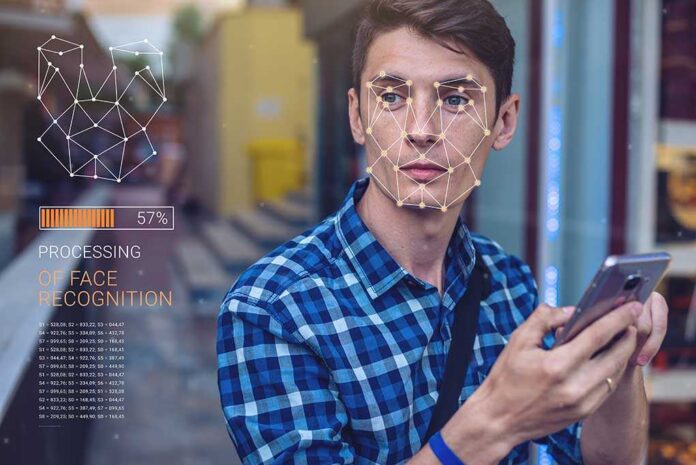
Mexico’s mandatory biometric ID system, now rolling out nationwide, mirrors the U.S. border biometrics boom under President Trump’s second term, raising alarms about surveillance creep and government overreach just across our southern border.
Story Highlights
- Mexico’s Chamber of Deputies approved biometric CURP reforms on July 1, 2025, mandating fingerprints, facial scans, and iris data for all citizens by February 2026.
- Centralized Plataforma Única de Identidad links IDs to forensics and missing persons databases, aiming to solve over 100,000 disappearances but enabling mass surveillance.
- Pilots operational in Veracruz, Mexico City since October 2025; mandatory in banking, healthcare, education as of March 2026, with full nationwide enforcement targeted.
- Cybersecurity experts warn of data breach risks in Mexico’s corrupt environment, echoing U.S. conservative concerns over privacy erosion and federal control.
- As Trump ramps up $673 million in U.S. border biometrics via the One Big Beautiful Bill Act, Mexico’s system heightens fears of integrated hemispheric tracking.
Legislative Approval and Rapid Rollout
Mexico’s Chamber of Deputies passed CURP biometric reforms on July 1, 2025, gazetted in the Diario Oficial de la Federación. Federal and state institutions began issuing biometric IDs 90 days later, around October 2025. Pilots launched in Veracruz, Mexico City, and Mexico State that month. By January 2026, mandates hit banking, healthcare, education, and social programs. RENAPO offices now handle nationwide issuance, with full mandatory transition targeted for February 2026, including property transactions. This swift pace leaves little room for public input, frustrating those wary of centralized power.
Addressing Missing Persons Amid Surveillance Risks
The Plataforma Única de Identidad centralizes civil registries, forensics, cemetery records, and missing persons data by April 2026. Driven by over 100,000 disappearances since 2006, the system uses fingerprints, facial photos, and iris scans for real-time verification via Llave MX keys. Government claims it combats fraud and boosts efficiency in a nation plagued by corruption and OECD digital lags. Yet cybersecurity experts highlight breach vulnerabilities, past data leaks, and surveillance potential in an unstable environment. Conservatives see parallels to eroding individual liberties south of the border.
Stakeholders Push Forward Despite Court Challenges
RENAPO issues IDs while federal agencies integrate systems like the National Missing Persons registry. Banks and healthcare providers adopt verification for streamlined access. Courts in Yucatán issued suspensions, but federal rulings cleared linked phone registries, accelerating rollout. Vendors bid on cloud and capture tech tenders. Rights advocates slow enforcement through public outcry over privacy. Government motivations center on modernization and fraud reduction, but power dynamics favor tight timelines over robust safeguards, raising red flags for limited-government principles.
U.S. Border Biometrics Boom Adds Context
President Trump’s One Big Beautiful Bill Act allocates $673 million for U.S.-Mexico border biometrics, including facial recognition and fingerprints at all ports by September 2026. This $6 billion surveillance push integrates DHS databases, expanding to domestic corridors. As encounters drop 76% in FY2026, funding cements biometrics as infrastructure. Mexico’s parallel system risks cross-border data entanglement, amplifying conservative frustrations with globalist overreach and threats to privacy. Trump’s policies secure the border but invite scrutiny on domestic freedoms.
Expert Warnings and Phased Implementation
ID Tech reports voluntary phases preceded mandates, with vendor awards pivotal for the February 2026 completion. Thomson Reuters notes training gaps and digital unreadiness. Diverse views split: proponents tout anti-fraud and missing persons aid; critics decry surveillance without strong frameworks. As of March 2026, public sector mandates are active, pilots expand, and full adoption progresses despite hurdles. For Americans, this foreshadows hemispheric ID trends undermining sovereignty and personal autonomy cherished in conservative values.
Sources:
Mexico Approves Biometric CURP ID, Transforming Identity Landscape and Missing Persons Search
Mexico’s Biometric CURP Enters Official Use, Phased Mandate Targets February 2026
Mexico’s biometric CURP implementation under way as OECD DGI score dips
Mexico to launch biometric CURP in 2026 despite concerns
Mexico court clears path for mandatory phone registry linked to biometric CURP