
A Florida sheriff says a Citibank gunman killed an employee over a $2,500 debt before a security guard stopped him within minutes.
Story Highlights
- A security guard shot and killed the gunman minutes after first 911 calls, ending the threat.
- About 3,200 employees were on the campus when the attack began, officials said.
- One woman was killed, four others had non-life-threatening injuries, authorities reported.
- Deputies cleared the site after a large response; officials called it an active threat.
What Authorities Say Happened
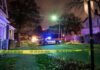
Hillsborough County deputies said 911 calls began at 12:11 p.m. at the Citibank campus near Tampa. A man drove onto the property with a rifle, shot and killed a woman, and moved toward a cafeteria. A Citibank security guard confronted the gunman around 12:15 p.m. and fatally shot him, ending the immediate danger, according to the sheriff’s office reporting shared by local outlets. Officials described the situation as an active threat during the response.
Reporters at the scene said one woman died and four people suffered non-life-threatening injuries. Authorities did not detail the causes of those injuries. The gunman also died after the exchange with the on-site guard. The sheriff’s office said the armed guard’s actions “stopped the threat,” a phrase used in early briefings and repeated in coverage as investigators worked the large campus and interviewed witnesses.
Scale of the Response and Evacuation
Hillsborough County Sheriff’s Office leaders said 367 deputies responded to the scene. Crews worked to clear the complex and reunite staff with families. Officials said deputies completed a building-by-building sweep in about two and a half hours. The size of the response reflected the campus headcount and the risk of a moving attacker in crowded spaces, including a cafeteria setting where many people could gather during midday.
Local coverage, citing the sheriff’s team, said about 3,200 employees were on the property during the incident. Staff evacuated to designated areas as deputies secured the grounds and searched for any further danger. Traffic and public access were restricted around the complex while the investigation unfolded. Officials urged the public to avoid the area until the scene was stable and cleared for normal operations.
Early Motive and Victim Identification
Later sheriff’s updates reported that the shooter targeted an employee over a personal debt dispute of about $2,500, framing the attack as directed rather than random. FOX 35 Orlando reported the sheriff’s identification of the gunman and the claimed motive tied to the unpaid debt, which authorities said drove the suspect’s actions before the fatal encounter with the guard. As with many early investigations, some details may change as interviews and forensic reviews conclude.
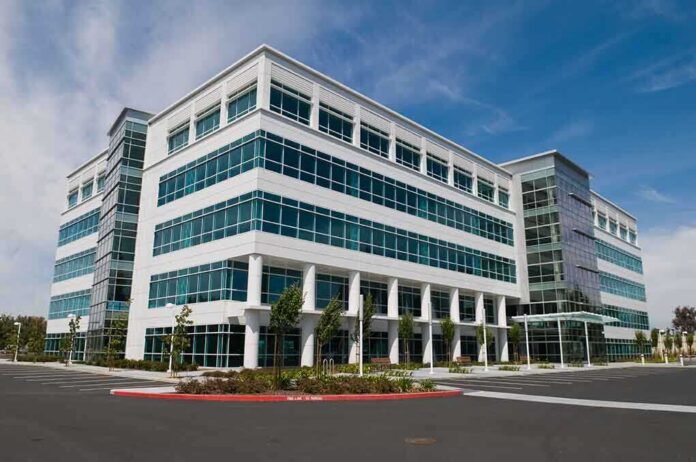
Officials identified the workplace as the Citibank Center complex in the Brandon area east of Tampa. The sheriff’s office and local outlets described how the suspect entered, moved across the campus, and headed toward the cafeteria before the guard engaged him. The location, time of day, and presence of thousands of employees increased the risk to bystanders and made the reported rapid intervention more consequential for people on site.
How This Fits Known Active-Shooter Patterns
Federal Bureau of Investigation (FBI) reports describe “active shooter” events as attempts to kill in populated areas, regardless of casualty counts. The FBI’s recent summaries show that while law enforcement or security sometimes stop these attacks, most events end in other ways, including suicide or later arrests. In recent years, armed security or law enforcement personnel ended a minority of incidents, according to FBI reporting on outcomes and resolutions.
CCTV footage captures Citibank security guard John Fraley confronting and subduing a gunman during a deadly shooting at the bank’s campus in Tampa, Florida. Fraley’s actions were credited with preventing further loss of life. pic.twitter.com/GmxJdGgXLz
— Newswire Plus (@newswireplus) November 6, 2026
The Tampa case matches a common early narrative arc: fast calls, a rapid on-site response, and a push to secure large workplaces. The sheriff’s account highlights a quick stop by an armed guard, a result that public safety planners seek in high-risk sites. Investigators are still processing evidence and interviews. The big questions now are practical ones many workers share: how the attacker got in, what triggered the violence, and what changes can better protect people at work.
Sources:
youtube.com, sanluisobispo.com, tampabay28.com, wtsp.com, fox13seattle.com, fox35orlando.com
© truetrendnews.com 2026. All rights reserved.