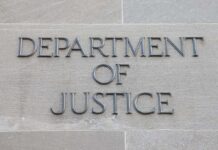


Federal bank regulators warned California that new climate-reporting rules could clash with national banking law and push lenders to scale back in the state.
Story Highlights
- The Office of the Comptroller of the Currency asked California to exclude federally chartered banks from two climate-disclosure laws.
- California Air Resources Board materials show the rules cover large companies doing business in the state, including banking and finance.
- The clash centers on whether state reporting rules interfere with federally authorized banking powers.
- The outcome could shape where banks do business and what customers pay for credit and services.
OCC presses California to exempt national banks from climate rules
The Office of the Comptroller of the Currency (OCC) sent a letter on October 29, 2026, to the California Air Resources Board. The OCC asked the board to exempt national banks and federal savings associations from two state climate-disclosure laws, or to clarify they do not apply. The agency said the laws raise policy and legal issues when imposed on federally chartered banks. The OCC framed the request as needed to avoid conflicts with federal banking rules.
The OCC argued that the rules could burden core banking activities. The agency pointed to federal law that protects national banks from state measures that significantly interfere with their powers. It warned that extra reporting could raise costs, risk duplicative oversight, and strain customers nationwide, not just in California. The OCC’s public release summarized the same concerns and highlighted the potential for federal preemption if the state does not act.
California’s program describes broad coverage that includes finance
California’s materials describe Senate Bill 253 and related rules as covering United States entities above set revenue thresholds that do business in California. Workshop slides list sectors touched by the program, including banking, insurance, asset management, and other finance fields. Those materials do not name an exemption for national banks or federal savings associations. The coverage turns on revenue and activity in the state, not on the type of charter a company holds.
State presentations from earlier sessions repeat the same structure. They define a “reporting entity” by where the business is formed, its annual revenue, and whether it does business in California. Proposed briefing materials also show a separate climate-risk report for entities above five hundred million dollars in revenue. The listed exclusions do not include national banks. They focus on nonprofits, some insurance activities, government bodies, and certain power market firms.
The legal fault line: preemption versus general corporate reporting
The legal fight turns on a tight question. Do climate disclosures regulate a bank’s federally authorized powers, or are they general rules that happen to include banks. The Supreme Court’s Barnett Bank line of cases says states cannot pass laws that prevent or significantly interfere with national banks’ powers. The OCC cites that history to back its warning to California regulators about the scope of state authority over national banks.
The @USOCC just told California that two of its climate disclosure laws should not reach national banks.
In a letter to @AirResources, Comptroller Jonathan Gould (@USComptroller) argued the laws would be "inconsistent with OCC regulation and safety and soundness" and would… https://t.co/f09GsqGAsT
— Chris Nobili (@chrisnobili) October 30, 2026
California designed the rules to target large emitters and large companies with influence over emissions and climate risk. Supporters see disclosure as a basic corporate duty, not a limit on lending or deposit-taking. Banks and federal officials see added compliance burden and conflicting oversight. Both sides agree the stakes are national. If rules diverge by state, banks may retrench, customers may face higher fees, and investors may see uneven data quality across markets.
What this means for consumers, investors, and small businesses
Consumers could face higher costs if banks pass along reporting expenses. Smaller businesses that rely on big banks may feel pressure to track supplier emissions to meet client requests. Investors might gain more consistent emissions data if rules stick, but only if banks can align state and federal demands. If the dispute hardens, banks may reduce services in California or centralize operations in states with fewer rule conflicts, hitting credit access on the margins.
What to watch next: carve-outs, coordination, or courtroom fight
California regulators could carve out national banks or narrow how the rules apply to finance. The OCC could move to a formal preemption step if talks fail. Courts could be asked to sort whether these disclosures touch the business of banking itself. A negotiated fix would aim to protect a single national banking standard and still deliver climate data that markets can use. A split outcome may invite more lawsuits and more cost without clearer information.
Sources:
nypost.com, mlex.com, hoodline.com, ww2.arb.ca.gov
© truetrendnews.com 2026. All rights reserved.