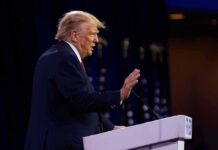

After President Trump reportedly told the Justice Department to review Democrats’ threats of oversight, Attorney General Todd Blanche said some lawmakers “could be” prosecuted if their conduct crosses into crime.
Story Snapshot
- Blanche affirmed Congress’s oversight power but warned some conduct might be criminal.
- He cited threats, possible impeachments, and pressure on private companies as red flags.
- Reports say Trump told the Justice Department to examine Democrats’ conduct one day earlier.
- Democrats say their planned probes target alleged corruption and self-enrichment, not crime by Congress.
What Blanche Said On Air And Why It Matters
On November 8, 2026, Attorney General Todd Blanche told CNN that Congress has constitutional oversight power, but some recent rhetoric “could” cross a legal line. When asked if lawmakers could face jail, he said it would depend on the crime. He also said “you have free speech,” but warned the line is crossed when threats become “so vile and so dangerous”. The careful wording left room for probes while avoiding a blanket claim that criticism is illegal.
Blanche pointed to potential problem areas. He said Democrats were talking about going after “basically every member of the Cabinet,” floating impeachments, and pressuring private companies that invested in the United States. He then said Justice Department investigations “could be” possible. He did not name a statute, a target, or a timeline. That keeps the message as a warning, not a filed case, and raises fair questions about how prosecutors would draw the line in practice.
The Reported Trump Directive And The Separation-Of-Powers Clash
Axios and CNN reported that President Trump told the Justice Department to look at Democrats’ conduct shortly before Blanche spoke on television. That sequence heightens the stakes. A president directing criminal review of lawmakers who plan to investigate his administration tests long‑standing guardrails between the branches. Critics call that dynamic chilling to oversight; supporters say threats or extortion, if proven, are not protected speech or legislative work. One sentence of caution also applies: talk of charges is not a conviction or even confirmation of a probe.
History sets a key baseline. Congress’s subpoenas, hearings, and committee votes are generally treated as protected “legislative acts” under the Constitution’s Speech or Debate Clause. That protection limits criminal or civil liability for core oversight functions, though it does not shield bribery or other personal crimes outside legislative acts. This means regular investigations and sharp rhetoric are typically protected, while crimes like bribery remain prosecutable. The hard part is sorting heated politics from unlawful threats in real time.
Democrats’ Oversight Plans And Their Stated Rationale
Democratic Representative Robert Garcia, who is set to chair the House Oversight Committee, has said his team will examine alleged corruption involving Trump family business deals, cryptocurrency ventures, Pentagon contracts, and actions by Immigration and Customs Enforcement. He warned certain officials to “lawyer up,” naming figures he says caused harm, and said the Trump family is a top priority. He also said civil contempt could follow if subpoenas are ignored.
AG Todd Blanche claims Congressional Democrats using their power of oversight to investigate the Trump Admin, and those involved in their lawlessness, is a criminal threat. Blanche is doing sham prosecutions and hasn’t released the Epstein Files. @AGToddBlanche should lawyer up https://t.co/xGwbR6Hgap
— WeThePeople (@Middle40Percent) November 8, 2026
Democrats frame the agenda as standard oversight that targets alleged self‑enrichment and abuse of power, not a campaign to criminalize political opponents. Outlets reported plans to use subpoena and testimony powers to probe whether officials advanced the financial interests of President Trump, his family, and allies. A Congressional guide also explains that oversight often addresses waste, abuse, dishonesty, and fraud tied to possible laws and budgets. That is routine in divided government, though the subjects here are unusually charged.
Conflicts, Blind Spots, And What To Watch Next
Blanche’s past work as President Trump’s personal defense lawyer fuels concern about impartiality. Bloomberg quoted him saying, “It’s me, and we will defend you,” when asked about protecting administration officials from Hill probes. That link does not decide any legal question on its own. But it adds to doubts that many Americans, left and right, already hold about a system that seems to protect insiders while average families see prices, health costs, and crime squeeze their lives.
Key gaps remain. Blanche did not cite a law or name a lawmaker whose acts would meet a criminal test. No charging documents or formal Justice Department memos have been released to explain the standard or the facts. Until those appear, the debate is about boundaries, not evidence. Watch for a formal announcement of any inquiry, letters to preservation targets, and whether the Justice Department describes threats, extortion, or other specific conduct in writing.
Why This Fight Hits A Nerve With Voters
Many Americans see two sets of rules: one for the powerful and one for everyone else. When a president signals criminal reviews of political rivals, people fear payback politics. When Congress vows sweeping probes, people fear circus hearings that dodge real problems like wages, border chaos, or energy costs. The Constitution gives both branches tools and limits. The test now is whether leaders use them to seek facts in public, or to score points while trust keeps falling.
Sources:
rawstory.com, politicalwire.com, article.wn.com, newsmax.com, thelalocal.org, kmbc.com, pbs.org, washingtonexaminer.com, nytimes.com, whyy.org, constitution.congress.gov, supreme.justia.com
© truetrendnews.com 2026. All rights reserved.