

A 24-year-old first-time New York City Marathon runner collapsed near mile 24 and died hours later, despite rapid aid from bystanders and race medics.
Story Snapshot
- Race organizers and police detailed a fast emergency response before the runner died at a hospital.
- The runner’s father said rhabdomyolysis caused her death, a rare but dangerous muscle breakdown.
- Text messages show she reported pain around mile 19 before collapsing near mile 24.
- Fatal events in marathons are rare but documented across large studies.
What Happened On Race Day
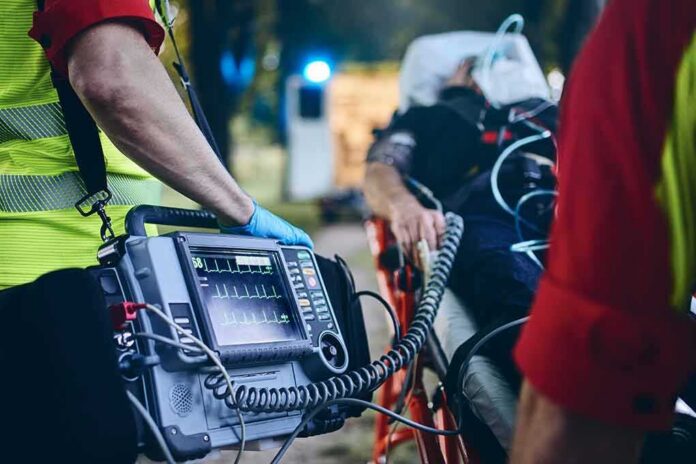
New York Road Runners said a bystander started chest compressions after Rachel Apa collapsed near the 24-mile point inside or along Central Park. Race medical staff arrived, used a defibrillator, and moved her by ambulance to a Mount Sinai hospital, where she died later that evening. The New York Police Department placed the collapse about two miles from the finish. The organization offered condolences but did not release medical records, which is standard for privacy.
Her father, Steve Apa, told reporters that his daughter died from rhabdomyolysis. Reports described the condition as muscle breakdown that can release substances that damage organs, including the kidneys. He said she had been raising money for a Parkinson’s charity and was in good health going into the race. The family’s attribution has appeared across multiple outlets, while clinical records that would confirm the diagnosis are not public at this time.
Key Timeline And Witness Details
Family accounts described a clear sequence on race day. Around mile 19, Rachel texted “Ow ow,” noting pain while still moving forward. She later collapsed near mile 24, where two doctors in the crowd and the first bystander responded, then event medics took over care. Reports place the collapse early afternoon and her death that night after hospital treatment. These details come from interviews and organizational summaries published soon after the race.
Race organizers reported the use of an automated external defibrillator on scene, which is standard for sudden collapse in endurance events. The New York Police Department and media summaries placed the location as Central Park, close to Fifth Avenue, about two miles from the finish line. That stretch is known for rolling elevation and crowded spectator lines, which can speed bystander response but also complicate access for ambulances in peak hours.
How Rare Events Fit The Bigger Picture
Large studies show that sudden, life-threatening events during marathons are rare but recurring. Research in the New England Journal of Medicine estimated cardiac arrests at about 0.54 per 100,000 participants across many races. Fatal outcomes occur more often in marathons than shorter races, but overall risk remains low. These data help explain why a single death in a field of tens of thousands can happen, even when planning and on-course care are strong.
Rachel Apa, former Red Land and Bucknell field hockey player, dies after NYC Marathon collapse — Female Athlete News – https://t.co/SLTTUnPCW5
— FemaleAthleteNews (@Female_FANews) November 3, 2026
Medical guides explain that rhabdomyolysis can follow extreme exertion and may cause kidney failure or dangerous electrolyte shifts without fast treatment. Doctors look for high creatine kinase levels, kidney markers, and muscle pain or weakness to confirm the diagnosis. Early fluids and close heart and kidney monitoring are standard care in hospitals. These basics match the general descriptions in news reports, even as individual records stay private for the family.
Why This Matters To Runners And Families
Marathons depend on trust that organizers plan for the worst while runners prepare smartly. This case shows how quick bystander help, fast defibrillation, and trained medics can still face a condition that turns deadly. Families want clear answers, and privacy rules can slow public specifics. Runners can lower risk by listening to pain signals, hydrating, pacing well, and heeding medical tents. Events can keep expanding training tips and course access for emergency teams.
Sources:
people.com, espn.com, jamanetwork.com, jacc.org
© truetrendnews.com 2026. All rights reserved.