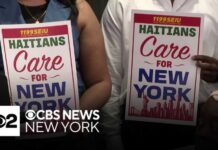

A pro women’s league that says “only women” can play has no public definition of “woman,” and that gap just blew up into a national fight.
Story Snapshot
- The WNBA’s contract says only women are eligible, but it does not define “woman.”
- Commissioner Cathy Engelbert told teams the issue will be discussed by league leaders.
- Two former NBA players say they will declare for the 2027 WNBA Draft to test the rule.
- No openly transgender woman has played in the league, so the dispute is still about policy.
What sparked the latest showdown
Reports say the Women’s National Basketball Association collective bargaining agreement states that only players who are women can play. The contract does not define the term or list transgender criteria, which leaves a public gap. The league has not issued a separate, public-facing transgender policy. Commissioner Cathy Engelbert told teams the topic would go to a meeting of team presidents and general managers. That signals ongoing talks, not a settled rule set.
Two former National Basketball Association players, Enes Kanter Freedom and Royce White, said they plan to declare for the 2027 Women’s National Basketball Association Draft. They framed their move as a public test of eligibility. Their announcements pushed the debate from online chatter into league business. Newsrooms highlighted the political tone around the stunt and the pressure it puts on leaders to define terms before the next draft cycle begins.
Where the league stands right now
Commissioner Engelbert has emphasized a thoughtful process with input from the Women’s National Basketball Players Association and team leaders. Reports say she cast the matter as complex and tied to league values. That framing rejects a sudden ban or a snap decision. It also reflects the reality that eligibility rules sit inside a labor contract. Any change must be bargained with the union, not ordered by a press release.
Coverage also notes there is no current roster case. No openly transgender woman has played in the Women’s National Basketball Association. That means the fight is about how to write a rule before a live dispute lands. Supporters of inclusion point to league values and respect for players. Critics argue the lack of clear text invites gamesmanship and erodes trust. Both sides say they want fair competition. The public record shows no agreed technical standard yet.
Why this matters beyond basketball
Vague rules often fail in the real world. Fans, players, and sponsors need to know what counts. When leaders avoid clear standards, they hand power to insiders and stir political noise. That is how people across the spectrum end up thinking elites run the show while citizens get lectures instead of answers. Here, a single undefined word—“women”—now drives a storm that the league could have prevented with transparent, specific, public criteria.
Both left and right worry about fairness, voice, and honest process. Conservatives fear that silent rewrites will bend rules without consent. Liberals fear that debate will turn players into targets and reduce dignity to a talking point. A clean fix starts with sunlight. Publish the full eligibility path, including any medical thresholds, documentation steps, review timelines, and appeal rights. Put union and league signatures on it. Then enforce it evenly, case by case.
What to watch for next
Watch for an official memorandum or side letter that defines eligibility. Because this sits inside the collective bargaining agreement, any change will likely appear as a joint league-union document. Also watch whether the league opens a formal comment window to players and teams before the 2027 draft. Clear timelines, public definitions, and a named review panel would signal a shift from values language to an operational policy with teeth.
The WNBA is facing renewed pressure to clarify its eligibility rules regarding transgender athletes after a league task force met Wednesday but stopped short of announcing any policy changes. https://t.co/iRZkfXiuD4
— KOKH FOX 25 (@OKCFOX) August 14, 2026
If the league delays, pressure will grow. The stunt draft declarations will repeat. Lawsuits or grievances could follow. Sponsors may ask for clarity to manage brand risk. The Women’s National Basketball Association can steady the moment by posting one simple page that anyone can read. Say who is eligible, how to apply, who decides, and when. In a country tired of double talk, that kind of plain rule is not just fair—it is respect for the fans and the players.
Sources:
© truetrendnews.com 2026. All rights reserved.