
Thousands of displaced Palestinians remain unable or unwilling to return home until Gaza is safer and basic rebuilding starts, according to on-the-ground reports and UN-led damage assessments.
Story Snapshot
- Displaced Palestinians abroad and inside Gaza are waiting for security and early reconstruction before returning.
- UN and World Bank teams say recovery needs are massive and must be sequenced over years.
- Explosive hazards, rubble, and broken services block quick returns to neighborhoods.
- Most families face a long timeline to rebuild homes and basic life in Gaza.
What Displaced Families Are Waiting For
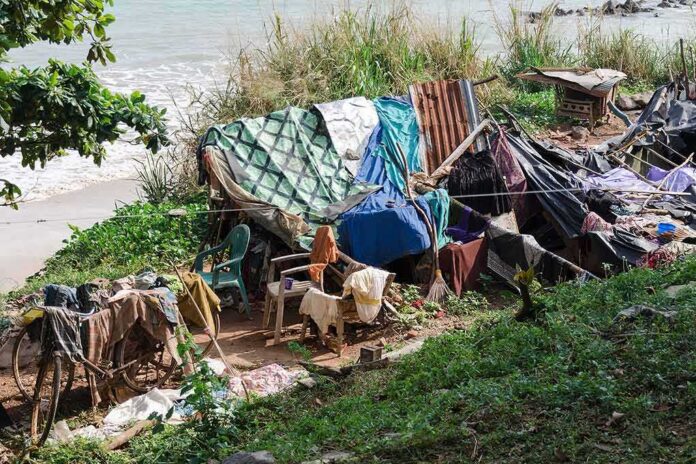
Reuters reports that displaced Palestinians who left during the war remain abroad, waiting for enough stability, security, and reconstruction to return to Gaza. Many who stayed inside Gaza also wait near damaged neighborhoods. Families say they need safe streets, working clinics, and water before they can move back. People also want clear rules for access and aid. These are not abstract wishes. They are the basic conditions for life, work, and school to restart.
United Nations and World Bank assessments describe a step-by-step path to recovery, not a sudden fix. Plans start with clearing dangerous debris, reopening roads, and restoring power, water, and health services. Early recovery then supports shelters and local jobs while home rebuilding ramps up. This sequence reflects global post-war practice. You clear, make safe, and reconnect services, then rebuild. Skipping steps puts returning families at direct risk and slows progress for everyone.
Safety Hurdles: Rubble and Unexploded Ordnance
World Bank documents list rubble removal and the handling of human remains and unexploded ordnance as urgent needs across Gaza. The United Nations Mine Action Service says explosive hazards threaten civilians and aid workers, so more disposal teams are deploying. These threats make a normal return impossible in many areas. Parents fear letting children walk to school. Crews cannot restore power or water lines if streets are blocked or booby-trapped. Safety work underpins every other task.
Blocked roads add to the danger and delay. Damage assessments call for opening primary, secondary, and side roads so people can reach clinics, shelters, and schools. Without safe, clear routes, aid trucks crawl and break down. Ambulances take longer. Store shelves stay empty. These are practical choke points, not politics. Clearing a single corridor can reconnect neighborhoods, cut food lines, and save lives. That is why road access appears as a top-line priority in technical plans.
The Scale of Rebuilding and the Long Timeline Ahead
The latest joint Rapid Damage and Needs Assessment projects multiyear, phased recovery needs and major funding over the next several years. Other United Nations and World Bank reports estimate that most families face a long wait for permanent homes, even in best-case supply conditions. The gap between damage and available materials is huge. This means families may rely on temporary shelters or partial repairs for years, while core utilities are rebuilt block by block.
Gaza's displaced still unable to return home. More than 100,000 Palestinians who fled Gaza remain overseas, while reconstruction and security conditions continue to prevent most from returning.
— Hassam Haider (@HassamAjmal1) October 4, 2026
United Nations reporting says roughly 1.9 million people, about nine in ten Gazans, were displaced during the conflict, and many remain displaced today. That scale strains every system. It burdens host families, tents, clinics, and schools. It also raises pressure on officials and aid groups to show results. Both conservatives and liberals in the United States worry when large aid plans drift or stall. They see costs rise, timelines slip, and everyday people bear the price.
Why This Matters for Trust in Government
Americans across party lines question whether big institutions can deliver. Gaza’s recovery tests that concern. The United Nations, the European Union, and the World Bank outline careful steps and large budgets, but families measure success in safe water and open schools, not spreadsheets. When plans lag, citizens at home see another example of process over progress. That fuels the belief that elites debate while ordinary people wait in line.
Clear benchmarks can help rebuild trust. Officials can report miles of roads reopened, clinics powered, and explosive devices cleared each month. These are simple, checkable goals. They also match what displaced people say they need to return. Reuters’ reporting and the United Nations’ technical plans point to the same near-term focus: safety first, services next, housing after that. Meeting those steps, in order, is how families move from waiting to going home.
Sources:
reuters.com, bbc.com, globalbankingandfinance.com
© truetrendnews.com 2026. All rights reserved.