
Senator Cory Booker is pressing Congress to formally check President Trump’s war-making, saying the Constitution leaves that power with lawmakers, not the White House.
Story Snapshot
- Booker urges Congress to invoke the War Powers Resolution to rein in current military actions.
- The Constitution splits war powers: Congress authorizes wars; the president commands the military.
- The War Powers Resolution sets timelines and procedures to remove forces without authorization.
- Critics note the law has often failed to restrain presidents in practice.
What Booker Is Demanding From Congress
Senator Cory Booker said Congress must “check” President Trump and “hold him accountable” on the use of force. He backed a Senate measure to end unauthorized hostilities with Iran and argued it does not need the president’s signature to carry effect. Booker framed the issue as decades of presidents starting wars without a vote. He wants Congress to use the tools it already has, including timelines and removal procedures embedded in law.
Booker’s push targets a clear friction point. Presidents often act first, then brief Congress later. The War Powers Resolution supplies a process to force debate and, if needed, remove troops when hostilities lack authorization. Booker’s statement places responsibility on Congress to use those procedures now. This is not only rhetoric. It is a call for votes, records, and accountability that could force tougher oversight of ongoing operations.
How U.S. War Powers Are Supposed To Work
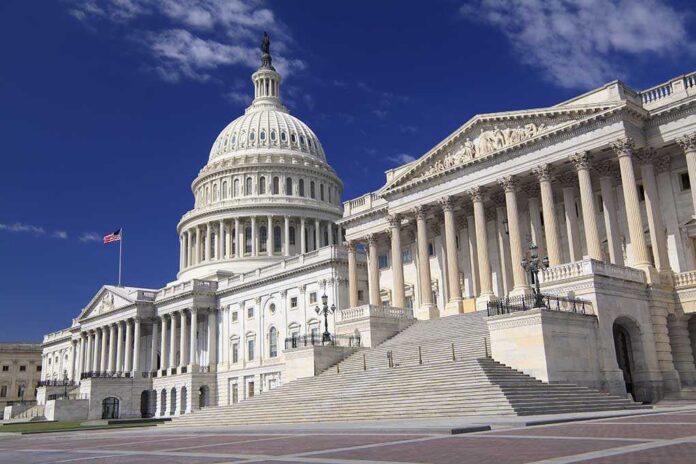
The Constitution divides war powers between the branches. Congress declares war, funds the military, and can set limits. The president serves as commander in chief and directs operations once authorized. The War Powers Resolution requires consultation and reporting when U.S. forces enter hostilities. If Congress does not authorize the mission, the law sets a sixty-day clock, plus a short withdrawal window, to end the deployment unless lawmakers approve it.
Supporters say these rules protect the people from unilateral war. They argue that elected lawmakers should decide when the nation fights, not a single officeholder. Critics counter that modern threats move too fast for slow votes. They say the president must act in real time to protect U.S. forces and interests. This recurring clash explains why the same facts can look like “defense” to one side and “unauthorized war” to the other.
Why The Fight Matters Beyond Party Lines
Americans across the spectrum feel that Washington no longer answers to them. Many see endless conflict, rising costs, and little accountability. Booker’s move speaks to that concern: who decides when we fight, and on what basis? The Associated Press has reported that despite its goal, the War Powers Resolution has rarely stopped a president in practice, which fuels public doubt that Congress can or will act decisively.
WAR
Arlington Cemetery holds memories of fallen lives, yet not one life is honored in the Law of the Spirit of (Light) Life in Christ Jesus; Immortality.
The Freemason Cabal Christian Government glorifies death for patriotic honor. Using families to defend their capitalism.… pic.twitter.com/Bb2y031qyz
— Sovereign Noesis Pert'Sun (@Pert_Sun) November 13, 2026
The stakes are concrete. Clear authorization can define goals, limits, and an exit. It can prevent mission creep that drains budgets and trust. It also forces clear public debate before lives and money are put at risk. Booker’s critics will say presidents need flexibility. His allies will say the people need a vote. Both camps claim to defend safety and the Constitution. The real test is whether Congress uses its legal tools to force clarity now.
What Comes Next If Congress Acts
Congress can demand reports, hold hearings, and pass a binding directive to remove forces from hostilities that lack approval, using fast-track procedures set by the War Powers Resolution. Lawmakers can also pass a fresh authorization for a defined mission. Or they can attach limits to defense funding. Each path has costs. Removal votes can spark charges of undercutting troops. Open-ended approvals risk blank checks. Avoiding a vote keeps the status quo, and the drift, in place.
The country has seen this movie. After years of broad authorizations and unilateral strikes, trust is thin. People want straight answers on goals, costs, and timelines. Booker’s appeal lands because it asks Congress to do its basic job: debate, decide, and own the outcome. If lawmakers assert their role, they can set guardrails that fit today’s risks. If they do not, the pattern of presidents acting first, and the public paying later, will likely continue.
Sources:
youtube.com, govinfo.gov, walkinshaw.house.gov, congress.gov
© truetrendnews.com 2026. All rights reserved.