
On the 25th anniversary of 9/11, the nation lowered flags and read every victim’s name to keep faith with the promise to never forget.
Story Snapshot
- The White House ordered flags at half-staff and urged national remembrance of 2,977 victims.
- Families read names at the 9/11 Memorial in New York; ceremonies also marked the Pentagon and Shanksville.
- Leaders from both parties framed remembrance as a civic duty tied to national resilience.
- Officials highlighted ongoing health effects that have claimed more lives over time.
National Remembrance Led From The White House
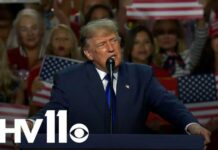
The White House marked Patriot Day 2026 by directing flags to fly at half-staff nationwide to honor the 2,977 victims. President Trump’s proclamation called on Americans to remember the heroes of that day and support families still carrying the loss. The statement tied remembrance to service and unity. It stressed that the country keeps its word by honoring sacrifice and teaching younger generations what happened. This federal signal set the tone for events across the country.
Separate White House communications echoed that theme and described a day of formal tribute. The language emphasized national duty, not party politics, and asked citizens to pause and reflect. That framing matters in a time of deep division. Many Americans feel the system serves the powerful before the people. A shared ritual, backed by the presidency, offers one of the few places where the country still stands together on purpose and loss.
Ground Zero, The Pentagon, And Shanksville Ceremonies
In New York City, family members read aloud the names of those killed in the attacks. The National September 11 Memorial and Museum arranged the reading and related tributes for the 25th year. A Memorial Mass at St. Patrick’s Cathedral added a place for prayer and quiet reflection. Similar observances at the Pentagon and at the Flight 93 National Memorial featured moments of silence and family participation, reinforcing a coast-to-coast act of memory.
These public rites followed a familiar pattern but carried new layers. Organizers included moments to honor people who died later from 9/11-related illnesses, which have mounted over time. That change admits a hard truth about long-term harm from toxic exposure. It broadens who we mean when we say “we will never forget.” It also reminds leaders that promises to care for responders and survivors must be kept in full, not only on anniversaries.
Bipartisan Messages Of Duty And Resolve
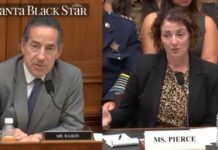
Members of Congress from both parties used the day to insist on shared memory and resolve. Representative Steny Hoyer called September 11 a day of tragedy followed by unity and vowed that terrorists would not prevail. House Homeland Security Chairman Andrew Garbarino cited the 2,977 innocent lives and said America will never forget. Those statements did more than mourn. They urged citizens to link grief to civic action, service, and care for those still affected.
Former leaders also reflected on how the attacks reshaped national life and the presidency. George W. Bush described becoming a wartime president and said the job was to rally the nation to protect the people. Such remarks show how 9/11 still frames debates on security and power. They also show why many citizens worry about leaders using tragedy to push today’s agendas. Clear lines between remembrance and policy help keep trust across a divided public.
The Facts That Anchor The Rituals
Twenty-five years later, the basic record remains firm and widely taught. Four coordinated hijackings struck the country on September 11, 2001, causing mass casualties and national shock. The official death toll of 2,977 anchors every ceremony and proclamation. Organized readings, moments of silence, and bell tolls keep those facts alive. They counter the drift of time and the rise of false stories by returning to names, numbers, and places that do not change.
Yeah, it's weird! Yesterday was the 25th anniversary of 9/11, and the only reflection I have, is that I've been alive longer in the new millennium than the 20th century. Things were Sooo different then! I was Gung Ho about life! Now I feel guilt for not throwing my life away..
— Dan Priestman (@Millbstrd) September 12, 2026
Public health research and new disclosures have pushed remembrance to include those harmed after the attacks. Reports and officials highlighted respiratory disease, cancer, and mental health burdens among responders and survivors. That evidence turns memory into mandate. It calls for steady funding, medical tracking, and honest communication about risk. Many Americans across the spectrum agree on this point: the government must deliver care with less red tape and more speed.
Sources:
nlrb.gov, apnews.com, whitehouse.gov, 911memorial.org, hoyer.house.gov, nga.org, govinfo.gov
© truetrendnews.com 2026. All rights reserved.