
President Trump said he “may” meet North Korea’s Kim Jong Un, signaling possible renewed summit diplomacy that could reshape high-stakes talks.
Story Snapshot
- Trump said a meeting with Kim “may” happen, reviving leader-level engagement.
- Past Trump-Kim summits created direct channels but left core disputes unresolved.
- South Korea’s 2018 briefing documented Kim’s eagerness to meet and Trump’s agreement to pursue talks.
- The first summit in Singapore produced a joint statement on denuclearization.
What Trump Said And Why It Matters
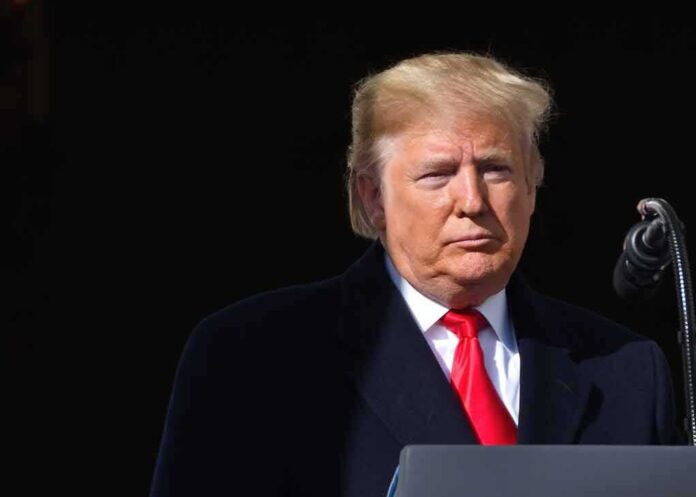
President Trump told reporters he “may” meet North Korean leader Kim Jong Un. He added that the two “get along,” hinting at another top-level contact. The phrasing was careful and did not set a date or place. Still, a potential meeting matters because leader-to-leader talks have driven past breakthroughs. They also set the tone for teams who handle sanctions, missiles, and nuclear steps. This kind of signal can open backchannels and shape regional planning.
Trump’s comment fits a pattern from his first term. Announcements often came before staff had full terms in place. That approach produced fast meetings and dramatic images. It also raised expectations that were hard to meet. Supporters see energy and deal-making. Critics warn that momentum without detail can fade. Both views reflect real outcomes from earlier rounds of engagement with North Korea, which mixed hope with hard limits on what each side would trade.
The Track Record Of Leader-Level Talks
South Korea’s national security adviser said in March 2018 that Kim wanted to meet Trump “as soon as possible,” and Trump agreed to pursue that path. The two met in Singapore in June 2018 and signed a joint statement on peace and denuclearization of the Korean Peninsula. The summit showed that high-level contact was possible. It also showed that symbolism alone does not settle technical issues, like inspections, timelines, and the order of steps each side must take.
After Singapore, the United States and North Korea struggled to match sanctions relief to nuclear rollback. That gap slowed progress. Even so, Trump kept the door open. In May 2018, he wrote to Kim that he looked forward to meeting “some day” if talks slipped, signaling that engagement would continue even after setbacks. This record explains why a new hint of a meeting draws notice. It suggests Washington and Pyongyang could again try top-down steps to restart stalled diplomacy.
How A New Meeting Could Affect Security And Politics
A fresh Trump-Kim session could lower tensions if it leads to restraint on tests and threats. It could also give space for working talks on verification, missile limits, and the return of remains. Allies in South Korea and Japan would watch closely. They want firm security guarantees and clear terms. China would also track any shift, since it shapes trade and pressure on Pyongyang. Small steps, like hotlines or narrow freezes, could still help regional stability even without a big deal.
At home, many Americans across parties view Washington as failing to solve hard problems. Some on the right blame past global deals that felt one-sided. Some on the left blame power politics that ignore human rights and social needs. Both worry that elites protect their own status while crises drag on. A meeting that delivers measurable gains—fewer missiles in the air, more families getting answers, clear timelines—could ease that shared frustration. Empty theater would deepen it.
What To Watch Next
Watch for signs that staff talks are real and sustained. Clear markers include an agreed venue, a written agenda, and statements from both capitals. Signals from Seoul can also help. South Korea often acts as a bridge and can confirm whether working groups are active. If a meeting happens, judge outcomes by concrete items: test pauses, access for inspectors, defined swaps on sanctions, and timelines that can be checked. Those are the pieces that turn headlines into results.
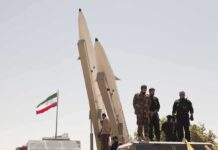
Kim Jong Un Showcases US-Reaching Missile as Trump Hints at Possible North Korea Summit Meeting
Watch: https://t.co/gTQ7jqeqNk pic.twitter.com/7R7tApaRe0— India Today Global (@ITGGlobal) October 14, 2026
One caveat remains: Trump’s remark described a possibility, not a scheduled event. That means timing, location, and scope are still open. Past cycles show that hope can rise fast and fall just as quickly. The stakes, however, are real. North Korea’s arsenal and the risk of miscalculation affect millions. If renewed talks can lock in even modest limits, they could buy time and reduce danger while larger questions stay on the table.
Sources:
pbs.org, democracynow.org, transcripts.cnn.com, npr.org
© truetrendnews.com 2026. All rights reserved.