
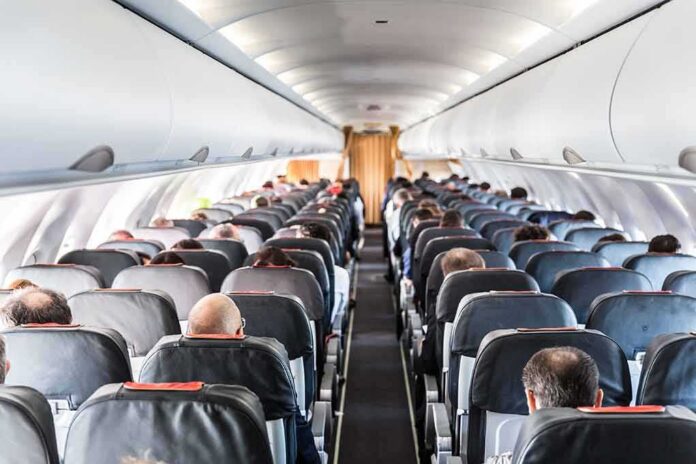
A tourist accused of hurling a rock at a protected Hawaiian monk seal now wants Delta Air Lines’ flight records to argue he was never warned about wildlife rules.
Story Snapshot
- Defense seeks Delta’s in-flight videos and passenger notices from an April 28 Seattle-to-Maui flight.
- Prosecutors say they lack evidence Delta ran a Travel Pono-style wildlife video and note no duty to do so.
- The case still centers on an alleged deliberate rock throw caught on bystander video, prosecutors say.
- Hawaii and federal agencies publicly warn people to stay away from monk seals and not disturb them.
What the New Filing Asks From Delta
On October 7, defense lawyers for Igor Mykhaylovych Lytvynchuk asked for Delta Air Lines’ records from an April 28 flight from Seattle to Maui. The request targets in-flight videos, seatback content, app alerts, and any passenger advisories about wildlife. The filing says these materials could bear on the traveler’s state of mind and possible sentencing. News coverage summarizes the request and quotes government replies included in the filing.
The defense points to Hawaiian Airlines’ Travel Pono video as a comparator. That five-minute program teaches ocean safety and respecting wildlife. Reporters note prosecutors said they do not have information showing Delta airs anything similar. The defense argues only Delta’s actual records can settle what passengers on that flight saw or did not see. The filing does not claim Delta had a legal duty to warn; it seeks facts about what happened on that flight.
Prosecutors Say the Conduct Speaks for Itself
The United States Attorney’s Office in Hawaii charged Lytvynchuk with “taking” an endangered Hawaiian monk seal by throwing a large rock at the animal’s head. The office described how he tracked the seal’s movements before taking aim and throwing the rock. A bystander recorded video that authorities say supports that account. Prosecutors frame the allegation as a deliberate act covered by federal law that protects monk seals.
This puts the focus on the act, not airline content. Prosecutors told the court they lack evidence that Delta shows a Travel Pono-style video and that Delta is not required to do so. They continue to pursue the case based on the recorded conduct and existing laws. The defense request may matter more for state of mind or sentencing than for the basic elements of the alleged offense, according to the reporting on the filing.
What the Law and Public Guidance Already Say
Hawaiian monk seals are protected under federal and state law. Hawaii’s Division of Aquatic Resources tells people to keep distance and not touch, chase, or disturb these animals. The National Oceanic and Atmospheric Administration also explains that harassment can be illegal and offers clear steps to prevent harm. These warnings are public and easy to find, though the record does not show what the defendant personally saw before the incident.
Hawaii monk seal attack suspect could walk free as court filings reveal outrageous new excuse https://t.co/enAdZun9Fp pic.twitter.com/KvgwzzZEfp
— New York Post (@nypost) October 14, 2026
That broader context highlights a tension many readers recognize. Government rules keep growing, but public education often lags or is uneven. Airlines, tourism offices, and agencies sometimes share duties informally, which can confuse visitors about who must warn them, when, and how. The court will now decide whether Delta’s records matter to intent or sentencing in this case. The core charge, however, still turns on what the video and witnesses say happened on the beach.
Sources:
nypost.com, ground.news, fisheries.noaa.gov
© truetrendnews.com 2026. All rights reserved.