
A Black journalist says she faced racist slurs and monkey noises while working a Metallica concert, reigniting debate over bias in mainstream metal.
Story Highlights
- Laina Dawes described being called the N-word and hearing monkey noises at a Metallica show while on assignment.
- She later repeated the claim, saying it was the most she had ever been called the slur at a metal show.
- Dawes is a published author and researcher on Black women’s experiences in heavy metal.
- Scholars and reporters have documented ongoing concerns about racism within parts of metal culture.
Journalist’s Account From a Major-Arena Metallica Show
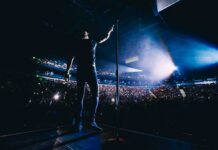
Canadian music journalist Laina Dawes said she faced open racist abuse while covering Metallica at Toronto’s Air Canada Centre in 2009. She told Global Television’s 16×9 unit that men made “gorilla noises” as she walked by and that “a couple people” called her the N-word while she worked the event. Her description detailed two kinds of abuse—animal sounds and explicit slurs—occurring in a packed mainstream arena during a high-profile tour stop.
Dawes later repeated the claim, saying she photographed a Metallica concert and had “never been called” the slur so many times at a metal show in her life, adding that one person made “monkey noises”. Her later statement also argued that politics are always present in metal, pushing back on the idea that big shows exist outside social issues. Her words drew fresh attention because they tied a personal report of abuse to wider debates about the culture around large rock events.
Who Laina Dawes Is and Why Her Perspective Matters
Dawes is known for reporting and research on race and gender in heavy music. Global News identified her as the author of What Are You Doing Here?: A Black Woman’s Life And Liberation In Heavy Metal, a book on Black women’s experiences in the scene. In interviews, she has discussed how mainstream shows can feel less welcoming than some underground spaces. Her career as a journalist, photographer, and scholar places her account within years of focused work on the topic.
Other reporting has cataloged incidents she has described at different shows, including threats and objects thrown, as well as slurs shouted in crowds at non-Metallica events. Those examples do not prove how often such abuse happens at any one band’s concerts. They do show that her Metallica account aligns with a documented pattern she has discussed: harassment directed at Black women in some metal spaces. Her experience therefore connects to a larger, studied cultural issue.
What This Episode Does—and Does Not—Establish
The available reporting supports this central point: Dawes says she endured racist abuse from audience members while working a Metallica arena show, and she described the conduct in clear terms. Her later comments framed the episode as unusually severe among her many metal assignments. The material located does not show that Metallica or venue managers knew of the abuse that night or that the band condoned it. It also does not measure how common such incidents are at Metallica concerts.
Treating the account as event-specific avoids two traps: claiming Metallica audiences are broadly racist or claiming the problem does not exist. Journalists and scholars have long noted that metal’s public image skews white and male, with ongoing concerns about racism and exclusion alongside stories of community and refuge. Dawes’s report fits that picture. One person’s experience at a huge show can both be real and also point to the need for better reporting, better security response, and better fan norms.
Why It Resonates Beyond One Night
Major stadium and arena shows sell unity as part of the ticket. When slurs pierce that promise, it hits a nerve across politics. Conservatives and liberals both say large institutions fail to protect regular people. A fan or worker who gets targeted in a crowd can feel that failure in a direct way. Clear rules, fast security action, and easy reporting channels can help any venue or tour meet that basic duty to the audience and the crew.
I’ve been to a gazillion concerts and would bet my bottom dollar she’s made it up. Her whole schtick is “black woman trying to uncover racism in metal”. Metallica fans are the nicest people.
— Liv Boeree (@Liv_Boeree) October 13, 2026
Big brands and bands also face a trust test. People want strong music and safe spaces without a lecture. They also expect leaders to set lines that keep hate out of the room. That balance is not easy at scale. But it is possible. When shows get it right, the music wins, and fans of all kinds can share the same floor. When shows get it wrong, the targets pay the price, and faith in the system drops again.
Sources:
twitchy.com, blabbermouth.net, allthecoresandmore.com, loudersound.com
© truetrendnews.com 2026. All rights reserved.