
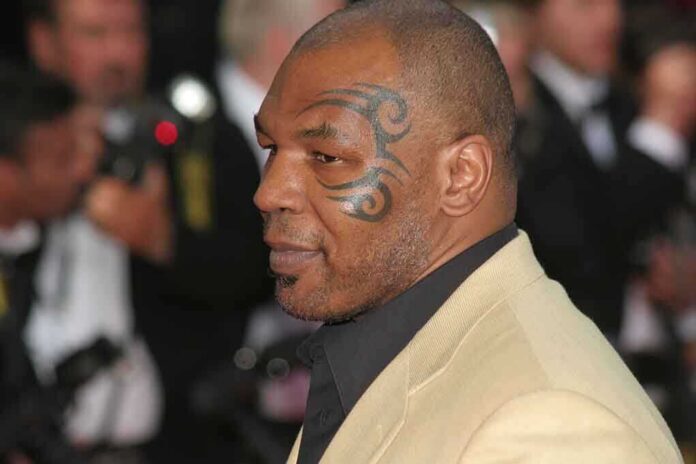
Mike Tyson says he hand-delivered Sean “Diddy” Combs’s pardon letter to President Trump, and Trump says he is not considering it.
Story Snapshot
- Mike Tyson says Diddy asked him to deliver a clemency letter to President Trump, and he did.
- President Trump confirmed he received a letter and said he is not considering a pardon.
- The episode shows how pardon requests often move through personal networks, not formal channels.
- Both sides see a system that favors access over fairness, feeding distrust in government.
Tyson Says He Delivered Diddy’s Letter To Trump
Mike Tyson told SiriusXM host Andy Cohen that Sean “Diddy” Combs called him from federal prison and asked him to pass a letter to President Trump. Tyson said, “He wanted me to give a letter to the president,” and confirmed, “I did what he told me to do.” Multiple entertainment outlets reported the same quotes from the interview, which aired on October 8, 2026. Entertainment Weekly also quoted Tyson’s remarks from the segment the same day.
President Trump earlier confirmed that he received a letter from Combs seeking clemency. In a January interview, Trump said Combs “asked me for a pardon… through a letter.” Trump also said he was not considering granting Combs’s request. That statement set a clear public line even before Tyson described his role as the messenger this week. The New York Times reported the same position from Trump in coverage of the interview.
What Tyson’s Role Shows About Modern Clemency
Presidential clemency has formal steps through the United States Pardon Attorney. The National Archives explains that case files can include petitions, letters, and agency reports, but many records are not public while cases are active. In practice, people often mix legal filings with personal appeals. Recent reporting found that access and influence often shape outcomes more than the process on paper, with advocates routing pleas through people who can reach the president directly.
The Tyson handoff fits that well-known pattern. A celebrity intermediary carried a personal appeal to the White House, even as official guidance says applicants should go through the Department of Justice process first. News reports and advocates have described a “pardon economy,” where lawyers, lobbyists, and insiders pitch cases based on stories and connections. That culture raises fairness questions from both left and right, who worry that ordinary people without famous friends get left behind.
Why This Moment Hits A Nerve Across The Aisle
Americans across the political spectrum see a system that rewards the well-connected. Many believe elites get special doors, while regular people wait in line. This episode puts that feeling in plain view. Tyson says he walked a letter to the president. Trump says he will not grant the request. The message is simple: access can get your case heard, but it does not guarantee a yes. The deeper concern is that access still seems to matter most.
Mike Tyson confirmed he delivered a letter from jailed music mogul Sean 'Diddy' Combs to Donald Trump as the rapper sought a presidential pardon. https://t.co/f9QD8kaapa pic.twitter.com/1GA7vJEu3F
— OK! Magazine USA (@OKMagazine) October 9, 2026
Supporters of President Trump may see this as proof that influence does not control him, since he declined Combs’s ask. Critics may see it as one more sign that personal networks shape who even gets a shot. Both reactions reflect the same worry. The process feels opaque and tilted. Archives show that letters and recommendations have always been part of clemency files, but today’s reliance on personal go-betweens makes the divide feel sharper.
Sources:
nypost.com, usatoday.com, yahoo.com, newser.com, clintonlibrary.gov, reaganlibrary.gov, 60minutestonight.com
© truetrendnews.com 2026. All rights reserved.