
A United flight to New Orleans sent a hijack alert after a passenger claimed he had a bomb and tried to reach the cockpit, before landing safely and ending with an arrest.
Story Highlights
- United Flight 2174 reported a bomb threat and attempted cockpit approach midair.
- The plane landed safely in New Orleans; deputies arrested the suspect without incident.
- Officials booked the man on felony counts tied to false threats and terrorizing.
- Airlines must treat all bomb threats as real, though most prove false.
What Happened Onboard United Flight 2174
Jefferson Parish officials said a passenger on United Flight 2174 from Newark acted erratically late Monday and told crew he had a bomb. Pilots sent a hijack alert as the man allegedly tried to move toward the cockpit. The flight carried 46 passengers and six crew members and continued to New Orleans. The aircraft landed safely at Louis Armstrong New Orleans International Airport, where deputies took the man into custody without incident, according to local reports and sheriff’s statements.
Authorities identified the passenger as 34-year-old Rony Alexander Gomez-Alberto. Local deputies booked him on counts including communicating false information of planned arson and terrorizing. Media accounts citing the sheriff’s office and airline sources said no explosive device was found. Federal officials were notified after the landing, as is standard in events that involve threats to an aircraft or flight crew actions responding to a potential hijacking scenario.
Why Airlines Escalate Quickly To Ensure Safety
Airlines and airports treat every bomb threat as real until experts can check it. That fast response is designed to prevent the one time a false alarm is not false. Reuters reporting says the vast majority of bomb threats turn out to be false, but safety rules require full response each time. That can include alerts, diversions, security sweeps, and arrests. This system aims to protect passengers while investigators sort fact from fear in real time.
The approach toward the cockpit fits a wider pattern of unruly-passenger events. Federal Aviation Administration material lists 2,102 unruly-passenger incidents in 2024, and more than 150 Level 3 and over 40 Level 4 threats over the past decade under common threat levels. Those categories include serious threats and attempted breaches, which force crews to use reinforced doors, procedures, and, when needed, emergency signals to protect the flight deck.
How Crews And Police Contained The Threat
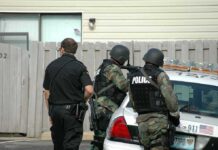
Flight attendants and pilots followed set protocols after the threat claim. Crews restrict access to the flight deck, communicate with air traffic control, and prepare for a secure landing. Local deputies then board the aircraft and take control. In this case, the sheriff’s office reported the arrest happened without incident. Charging decisions reflected the bomb claim and the disruption it caused to passengers, crew, and airport operations, even though officials did not report finding explosives onboard.
United Airlines Passenger Claims to Have Bomb, Attempts to Enter Cockpit
A passenger aboard a United Airlines flight from Newark to New Orleans reportedly attempted to enter the cockpit while claiming to be carrying a bomb. A hijacking alert was issued following the incident,… pic.twitter.com/kPfdNqRSXa
— AirwayBuzz (@AirwayBuzz) November 11, 2026
For travelers, this incident shows why quick compliance with crew directions matters. Small delays help crews lock down the cabin, separate a suspect, and land safely. For the system, repeated false threats still carry risk. They drain resources and can strain patience. Experts warn that complacency is the enemy in aviation. The rules demand steady focus, because one miss can have outsized costs, while careful checks keep routine scares from turning into real harm.
Sources:
en.royanews.tv, timesnownews.com, kpel965.com
© truetrendnews.com 2026. All rights reserved.