
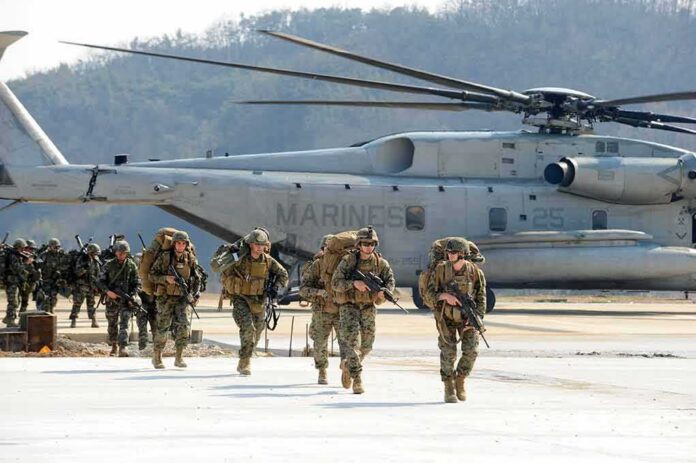
In an unannounced trip to Caracas, Defense Secretary Pete Hegseth said the United States and Venezuela signed a military cooperation deal less than a year after U.S. forces captured Nicolás Maduro and flew him to New York to face drug charges.
Story Snapshot
- Hegseth announced a signed deal to restart U.S.–Venezuela military ties, covering training and intelligence.
- The move follows the January 3 capture and U.S. transfer of Nicolás Maduro on drug-trafficking charges.
- Cooperation was largely frozen since 2005, making this a major policy shift after two decades.
- Key terms remain undisclosed, raising legal, sovereignty, and transparency questions across the spectrum.
What Hegseth Announced in Caracas
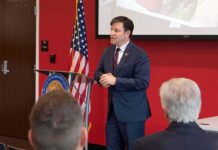
Defense Secretary Pete Hegseth told reporters in Caracas on November 18 that the United States and Venezuela had signed a deal to reestablish military ties. He said the agreement includes joint training, intelligence sharing, and added defense equipment and capabilities. He called the shift “historic” as the two governments move from open hostility to security partners. He shared few details, such as funding, time limits, legal scope, or command rules that would show how the deal will work in practice.
United States media described this as a formal resumption of cooperation that Venezuela cut off more than 20 years ago. Reports say ties were severed in 2005, and the new pact restarts contact at the military level after a long freeze. These accounts frame the step as institutional, not just talk. Still, the public has not seen the signed text. That gap leaves both supporters and critics guessing about how deep the partnership will go and how fast it will expand.
The Maduro Capture That Set the Stage
Hegseth’s visit came less than a year after a dramatic turn. Multiple outlets reported that U.S. forces seized Nicolás Maduro in Caracas on January 3 and moved him to the United States to face drug-trafficking charges in New York. Court reporting described Maduro saying, “I was captured,” through an interpreter, during early legal proceedings. Those events, together with a change in Caracas leadership, opened the door to the new military track Hegseth announced.
The administration’s message linked security cooperation to countering narcotics and outside threats. That narrative tracks with the charges against Maduro and long-standing U.S. concerns. But the evidence made public so far stays narrow. It confirms the capture and the transfer, not broader claims about ending drug flows or proving a casualty-free raid. It establishes that a deal exists, but not the legal backbone. That leaves space for debate about objectives, costs, and guardrails.
What We Know—and What We Do Not
The clearest facts are basic but important. A signed agreement exists, per Hegseth and multiple outlets. It covers training, intelligence sharing, and added equipment. Cooperation resumes after a two-decade pause. Maduro is in U.S. custody facing drug charges. Beyond that, the public record thins out. There is no released treaty text, no timetable, no funding line, and no public rules for U.S. access or activities in Venezuela.
This lack of detail fuels fears on both sides of U.S. politics. Conservatives wary of long wars want clear limits, costs, and exit options. Liberals worried about rights and sovereignty want legal authority and democratic oversight. Both groups distrust a process that asks for faith in secret papers and elite assurances. When leaders say “trust us,” many Americans hear “we will tell you later,” which too often becomes “never” in Washington.
Why This Matters for Americans
Americans remember how open-ended missions start small and grow. They remember promises about quick wins, low costs, and clean exits. History shows those promises often miss. Major studies of regime change warn that force can remove a ruler but fail to build stable order. Those patterns raise the bar for transparency and checks. Clear texts, defined goals, and regular reporting help prevent drift into another costly commitment abroad.
#Hegseth announces a #US military agreement with #Venezuela during an unannounced visit to Caracas, framing it as the “reestablishment of our defense partnership.” Acting President Delcy Rodríguez says it will boost training and equipment for Venezuelan troops.…
— Al Mayadeen English (@MayadeenEnglish) November 18, 2026
Energy and economics also loom in the background. Venezuela holds huge oil reserves. Any security tie can touch trade, sanctions, and fuel prices at home. That mix breeds suspicion that powerful players will profit while regular people shoulder risk. If the deal is sound, leaders should prove it with facts: publish the agreement, name the limits, show the costs, and define what success looks like. That is how public trust is earned, not demanded.
The Bottom Line
Hegseth’s surprise Caracas visit marks a real shift: the United States says it has a signed military deal with Venezuela after years of hostility, and it follows the U.S. capture and transfer of Maduro to face charges. But the country is being asked to accept big moves with thin details. Citizens across the political spectrum want safety and stability without another blank check. The fastest way to meet that test is sunlight, specifics, and lawful oversight.
Sources:
youtube.com, usnews.com, wrtv.com, whio.com, efe.com, lasvegassun.com, chairestrategique.pantheonsorbonne.fr
© truetrendnews.com 2026. All rights reserved.