
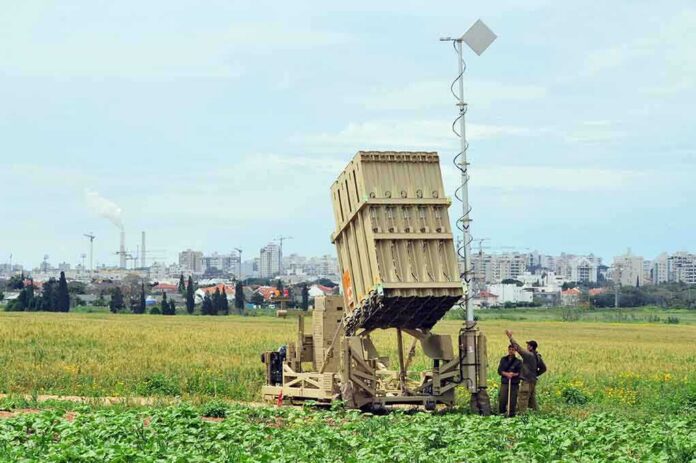
Turkey is trying to sell its Russian missile defense system to the UAE — but Russia holds the key, and Moscow may not hand it over.
Story Snapshot
- Turkey wants to ship its Russian-made S-400 missile systems to the UAE to clear the way for buying American F-35 fighter jets.
- Russia must approve any transfer under the original 2017 sale contract, and Russian Foreign Minister Lavrov has already thrown cold water on the idea.
- The U.S. has signaled it would lift sanctions if Turkey removes the S-400s, but Washington has not confirmed that moving them to the UAE is enough.
- A prominent defense analyst says he would be “extremely surprised” if the UAE deal actually goes through.
Why Turkey Bought Russian Missiles in the First Place
In 2017, Turkey — a North Atlantic Treaty Organization (NATO) member — bought Russia’s S-400 air defense system. Washington was furious. The U.S. warned that the S-400 could expose F-35 stealth technology to Russian intelligence. As a result, the U.S. kicked Turkey out of the F-35 program and hit Ankara with sanctions under the Countering America’s Adversaries Through Sanctions Act (CAATSA). The fallout left Turkey without the advanced jets it had planned to fly.
Turkey never activated the S-400 batteries. They have sat in storage ever since. That detail matters because the U.S. once offered Turkey Patriot missiles if Ankara promised not to operate the S-400s — a sign Washington’s core worry is Russian access to intelligence, not just the hardware itself. Turkey has been looking for a way out of this bind ever since.
The Dubai Plan: A Way Out or a Dead End?
Turkish media outlet Oksijen, citing sources close to the Turkish presidency, reported that Ankara is weighing a plan to transfer the S-400 batteries to the UAE and station them in Dubai. The idea is simple: get the missiles off Turkish soil, satisfy Washington, lift the CAATSA sanctions, and rejoin the F-35 program. Reports also indicate that negotiations over a potential sale to the UAE have been underway for months.
The problem is that Turkey cannot make this move alone. The 2017 purchase contract includes an end-user certificate. That legal clause forbids Turkey from selling or transferring the systems to any third party without Russia’s approval. Russian Foreign Minister Sergey Lavrov has publicly dismissed the idea of a transfer, making clear that Moscow still holds the deciding vote. Turkey’s own defense ministry has declined to confirm or deny the reports, which suggests nothing is close to final.
Three Countries, One Unsolved Problem
This situation puts Turkey in a tight spot between two powers. Russia controls whether the transfer can happen at all. The U.S. controls whether Turkey gets back into the F-35 program. Washington has signaled it is ready to lift sanctions if the S-400 obstacle is removed, but the U.S. has not stated clearly that shipping the systems to the UAE counts as “removal.” That gap in policy leaves Turkey’s plan on shaky legal ground.
🚨 TURKEY MOVES TO OFFLOAD S‑400S AS F‑35 TALKS HEAT UP.
Turkey is preparing to sell its Russian‑made S‑400 air defence systems to a Gulf country, likely the UAE or Qatar. The move comes as Ankara works to clear the path for renewed access to U.S. F‑35 fighter jets after years… pic.twitter.com/1syRQ1umy6
— The Content Factory (@tcf_updates) July 10, 2026
Defense analyst Sinan Ulgen said he would be “extremely surprised” if Turkey actually resold the S-400 to the UAE, flagging serious doubts about whether the plan is workable. Beyond the legal and political hurdles, there is also a practical question: even if the missiles move to Dubai, would Russian technicians still have access to them? If so, the U.S. security concern does not go away — it just relocates. That is a question neither Washington nor Ankara has answered publicly. The path to F-35s runs through Moscow, and that is not a comfortable place for a NATO ally to be standing.
Sources:
zerohedge.com, reddit.com, facebook.com
© truetrendnews.com 2026. All rights reserved.