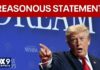


A sitting congressman vanished for months, collected his full paycheck, then returned to defend his silence while critics spotlighted his long record against paid leave.
Story Snapshot
- Rep. Tom Kean Jr. said he was hospitalized for depression during a four-month absence.
- He missed more than 140 votes while receiving his full salary, fueling backlash.
- Reports show Kean opposed paid leave policies for nearly two decades before this episode.
- Kean called himself private by nature and offered little detail before his disclosure.
What Kean Disclosed And Why It Matters
Rep. Tom Kean Jr., a New Jersey Republican, told the House he had been hospitalized for depression during his nearly four-month absence. He said doctors advised him to remain hospitalized as the quickest path to recovery. He described depression as hitting both body and mind, and he said he had stayed quiet because he is a private person by nature. The late disclosure answered weeks of rumors but also raised questions about transparency for an elected official.
House records and news reports say Kean missed over 140 votes while he was away but continued to receive his full salary. That fact set off criticism from both left and right. Voters who feel the system protects insiders saw one more example of special treatment. Supporters of medical privacy said the human story should come first. Both groups asked why the public learned so little until Kean spoke on the House floor.
The Flashpoint Over Paid Leave
Kean’s policy record became the next flashpoint. Reporting shows he opposed paid leave policies for nearly twenty years before this incident. That history let critics argue there was a gap between his own protected time away and the rights of many workers who face lost wages when they are sick. Some headlines framed this as hypocrisy. Others noted that his votes predated this crisis and reflect a long-held view on mandates rather than a personal exception.
The exact timing and bill details of a recent vote on paid sick leave remain unclear in available reports, which focus on his general record rather than a specific new vote. That gap limits how firmly anyone can tie his floor speech to a same-day vote. What is clear is the pattern: a long record against paid leave measures and a period of paid absence that he said was medically necessary. Without precise roll call data, claims about the exact vote sequence deserve care.
Transparency, Privacy, And Public Trust
Kean’s office had said only that he faced a personal medical issue, which became depression in his later disclosure. He explained the silence as a matter of personal privacy. For many Americans, that tension is familiar. People want leaders to be honest and also want them to have medical privacy. When the person is a lawmaker on the public payroll, the balance gets harder. The delayed clarity fed a sense that leaders play by different rules.
Republican Rep. Tom Kean Jr. took four months off from Congress, fully paid, to treat depression. Time and again, he’s voted against paid sick leave legislation.
What a goddamn hypocrite. 😡https://t.co/7LT0eJ8ZR8
— Jon Cooper 🇺🇸 (@joncoopertweets) July 1, 2026
Research on political hypocrisy shows why the reaction was sharp. Stories that suggest a “one rule for them, another for us” pattern can quickly sour views of a politician and even their party. These scandals can lower trust and spike anger, especially when the story touches real pocketbook issues like sick time and wages. Many readers see the fight over paid leave as part of a bigger struggle where insiders get cushions and regular workers get fines or pink slips.
What Both Sides Are Arguing
Critics point to three facts: Kean’s paid absence, the missed votes, and the years of votes against paid leave. They argue that if treatment time is vital for a member of Congress, workers also need paid time to heal. Supporters counter that his stance is consistent over time and concerns government mandates, not the value of medical care. They add that he did disclose his diagnosis on return and owes no blow-by-blow medical updates during treatment.
That leaves key questions. Did House leaders know more and choose silence, deepening public doubt? Were constituents given enough information to judge representation while he missed votes? The reporting indicates leadership and Kean kept details private for months, which critics say avoided accountability. Until official records or statements answer those points, distrust will linger across party lines that already feel frayed.
Why This Episode Resonates Nationally
This story strikes a nerve because it blends three national worries: unequal treatment, strained health care, and a Congress many see as unaccountable. Americans watch lawmakers argue over benefits that most workers still lack. They see leaders use flexible rules that do not exist on factory floors, in hospitals, or in classrooms. When the facts are murky, people assume the worst. That is how faith in institutions erodes, one unanswered question at a time.
What To Watch Next
Watch for three things. First, whether the House releases clear vote and attendance records that answer timeline gaps. Second, whether Kean or party leaders issue a policy statement explaining how his experience shapes his views on paid leave going forward. Third, whether Congress takes up a narrower sick leave bill that tests where members stand when the spotlight is on. Clear records and clear positions would help rebuild trust, even among skeptics.
Sources:
instagram.com, bbc.com, motherjones.com, levernews.com
© truetrendnews.com 2026. All rights reserved.