
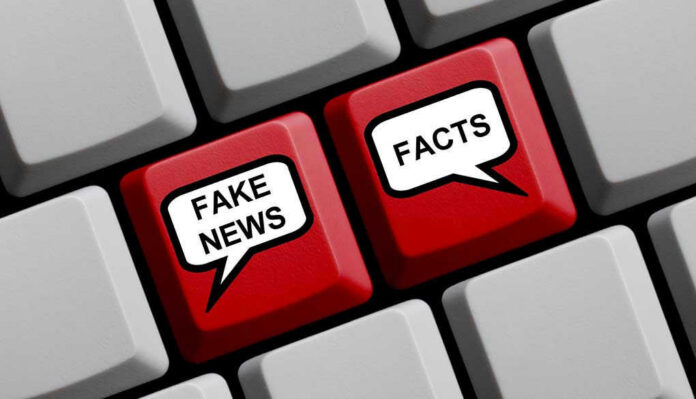
A single unverified story about a university worker allegedly cheering a politician’s murder shows how easily anger and identity politics can be weaponized without hard facts.
Story Snapshot
- A conservative religious outlet says a transgender university worker is under investigation for posts celebrating a Catholic politician’s murder.
- No screenshots, quotes, or official documents confirming the posts or the investigation have been made public.
- The story fits a wider pattern where universities probe staff over social media, often with weak or fast‑disappearing evidence.
- The focus on the worker’s transgender identity risks deepening mistrust in institutions and media on both the left and the right.
What LifeSiteNews Claims Happened
LifeSiteNews, a conservative Catholic news outlet, reported that a transgender university employee is “under investigation” for social media posts that allegedly “cheered” the murder of a Catholic politician. The outlet presents this as a clear case of a university worker publicly celebrating political violence. The story’s headline leads with the worker’s transgender identity, then their job role, then the fact of the alleged investigation, shaping how readers may react even before they see any details.
According to the LifeSiteNews piece, the alleged investigation was triggered by specific social media posts tied to the employee’s account. The article says these posts praised or celebrated the politician’s killing, but it does not show the actual posts, quote them, or provide timestamps. There is also no named university official, no internal memo, and no public statement confirming any formal inquiry, policy charge, or discipline. The claim that the worker is “under investigation” rests entirely on LifeSiteNews’s framing.
What We Do Not Know And Why That Matters
Searches do not turn up the original posts, screenshots, or platform data that would show precisely what was written and by whom. We also do not see university documents, such as human resources letters, investigation reports, or disciplinary notices. In most real workplace investigations, those records exist but are rarely public unless leaked, litigated, or released through freedom of information laws. Without them, readers are being asked to accept a serious accusation about praising murder on faith, not evidence.
Legal and academic guidance on social media investigations warns that online content can change or disappear very quickly. A computer forensics guide notes that digital evidence from social media should be collected fast because posts can be edited or deleted before investigators arrive. When complaints arise, university policies usually tell staff to document offensive or threatening posts with screenshots, links, and timestamps, then report them to supervisors or campus police. If that documentation exists here, it has not yet been shared with the public.
Universities, Social Media, And Political Anger
Across many campuses, social media posts have become a common trigger for investigations, especially when they touch hot‑button issues like gender identity, religion, or politics. Employment lawyers say employers can use publicly posted content in workplace probes, but urge “caution” because context and accuracy matter a great deal. Staff social media policies in the United Kingdom and elsewhere stress that online conduct can be treated as workplace conduct, and that offensive or harassing posts may lead to formal complaints and discipline.
At the same time, transgender workers often already face high levels of job bias and mistrust of institutions. A major study of transgender employees found that more than half reported being fired, not hired, not promoted, or otherwise mistreated at work due to their identity in recent years. In that climate, a headline that centers “transgender university worker” in connection with cheering a killing can inflame existing divides. For conservatives, it may look like proof that campus culture is out of control. For liberals, it may look like a targeted smear of a vulnerable minority. For many in the middle, it reinforces the sense that institutions and media play identity against identity while real facts remain hidden.
Media Bias, Identity Labels, And Deepening Distrust
LifeSiteNews openly grounds its work in conservative Catholic beliefs, including opposition to many transgender policies. That does not automatically make any single story false, but it does mean readers should ask hard questions about how identity is framed and what evidence is shown. In this case, the outlet emphasizes “transgender” in the headline and does not supply primary proof of the alleged celebratory posts or of the university investigation. That framing primes readers to see the worker’s identity as central, even though the real issue is whether someone praised murder online.
This kind of story feeds a wider frustration shared by many on both left and right: they feel the system is run by elites, and that facts are often bent to fit culture‑war battles. University policies now treat social media as part of workplace life, yet evidence standards and transparency lag behind. When a serious charge like “cheering a politician’s murder” surfaces without primary proof, it risks doing two kinds of harm at once. It may unfairly smear a worker if the claim is wrong or exaggerated, and it may deepen the public’s belief that institutions and media cannot be trusted to tell hard truths straight.
Sources:
lifesitenews.com, christianpost.com, dailymail.co.uk, standard.co.uk, cruxnow.com, abc.net.au, en.wikipedia.org, cathstan.org
© truetrendnews.com 2026. All rights reserved.