
U.S. border officials hit pause on construction inside Big Bend National Park after bulldozers stirred outrage over damage to a prized Texas wilderness.
Story Snapshot
- Customs and Border Protection paused park construction for an on-site review after backlash.
- Lawsuits say wall-related work would devastate the Rio Grande corridor and harm culture and access.
- Officials now favor roads, cameras, and drones over a 30-foot wall inside the park.
- Critics note Big Bend sees a small share of border crossings, questioning cost versus damage.
What Changed On The Ground
On August 17, the head of Customs and Border Protection paused construction activity inside Big Bend National Park. He said he would travel to West Texas to evaluate the site himself and meet with local voices before any next steps. The move followed days of criticism and images of heavy machinery grading land near the Rio Grande. The pause does not equal cancellation. It signals a review of terrain, tactics, and public concerns, with timing still uncertain.
Lawsuits from conservation groups and local plaintiffs challenged the project earlier this year. A complaint filed in April argued the Department of Homeland Security unlawfully bypassed environmental safeguards and that construction would destroy iconic river sections. A separate filing raised alarms about damage to archaeological and cultural sites tied to Indigenous peoples in the park. Plaintiffs sought to halt roads, lighting, cameras, and drainage work they say would cause irreparable harm.
Security Plan Shifts Away From A Tall Wall
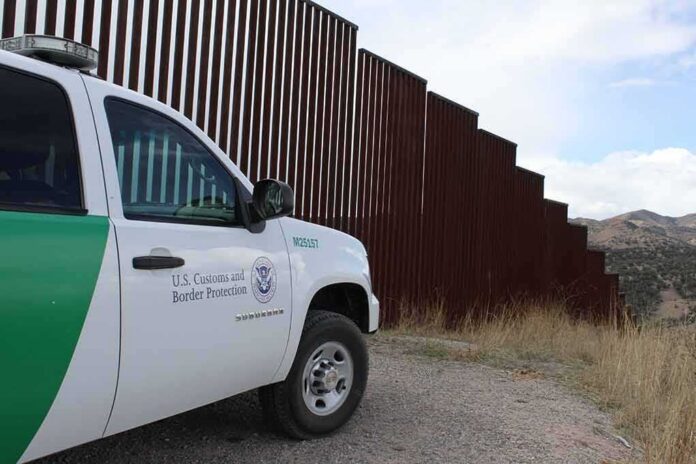
In May, the Customs and Border Protection commissioner said a tall, continuous wall inside the park did not fit the terrain. He cited steep granite cliffs and said a thirty-foot barrier atop ninety-foot rock “would be kind of silly.” Instead, he outlined a plan using roads, cameras, sensors, and drones to create “meaningful border security” while relying on natural barriers where possible. Texas Governor Greg Abbott later said federal officials assured him there would be no wall or fence inside the park.
Supporters of the pause point to reports that bulldozers tore through sensitive habitat before the review. Images of scraped riverbank and desert flats fueled anger among residents and park advocates. The National Parks Conservation Association described “miles” of disturbed landscape and wildlife habitat during early contractor work, which intensified calls to stop and reassess. Opponents also argue the Big Bend sector accounts for a very small share of unlawful crossings, raising doubts about the return on such a disruptive build.
What Locals And Law Enforcement Are Saying
Local sheriffs and officials in the area have questioned the need for a wall in this landscape. Terrell County’s sheriff said a wall is not necessary here and urged investment in patrol roads, surveillance towers, and drones instead. Residents and outfitters also warned the project could sever access to the Rio Grande, threaten dark skies, and undermine the outdoor economy that depends on the park’s wild feel. Those concerns helped drive pressure for a formal pause and site visit.
A new $7.5 billion border wall construction project in Big Bend, Texas, is drawing bipartisan outrage in the community. pic.twitter.com/9nzdbbjvLF
— CBS Evening News with Tony Dokoupil (@CBSEveningNews) August 23, 2026
Civil society groups frame the fight as bigger than one park. They say the use of legal waivers to speed border projects cuts out public input and weakens core environmental checks. Plaintiffs seek court orders to restore those safeguards and stop permanent harm while the case proceeds. Government officials counter that border security must adapt to terrain and threats, and they argue a mix of roads and sensors can both deter smuggling and limit footprint inside the park.
Why This Moment Matters Beyond Big Bend
Big Bend is a stress test for trust in government. Many conservatives and liberals agree Washington often rushes big projects without listening, then cleans up later. Here, bulldozers moved before the facts were fully shared, and lawsuits had to fill the gap. The pause shows local pressure can still shape federal plans. The next test is transparency: clear maps, scope, and timelines can prove whether this pivot protects both security and a national treasure.
What To Watch Next
Watch for three signals. First, the commissioner’s trip report and any formal change order confirming no tall wall inside the park. Second, release of planning documents that map where roads, cameras, and lights would go, and what limits will protect habitat, night skies, and river access. Third, court rulings on the lawsuits’ claims about waived laws and cultural harm. These steps will show if the pause becomes a durable plan or a brief timeout before renewed work.
Sources:
cbsnews.com, apnews.com, texastribune.org, govexec.com, cnn.com, news.bloomberglaw.com, dvidshub.net, biologicaldiversity.org, newswest9.com
© truetrendnews.com 2026. All rights reserved.