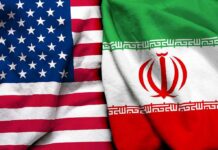

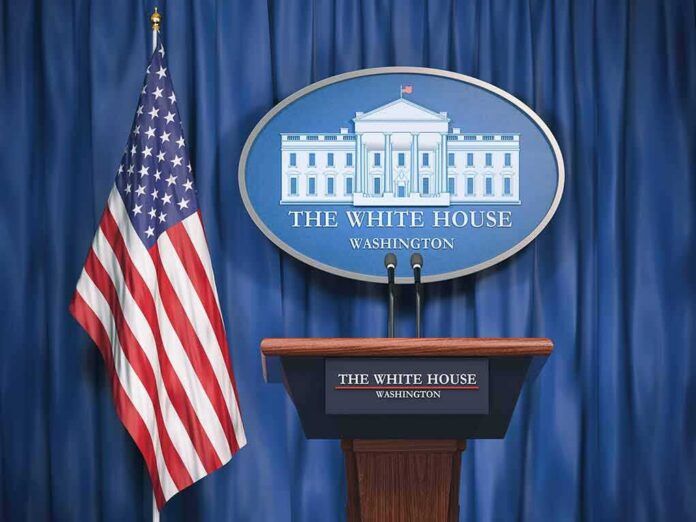
President Trump said Oman must “behave” on the Strait of Hormuz or face bombing, tying U.S. threats to talks over who controls a vital oil route.
Story Snapshot
- Trump warned Oman against any deal with Iran that restricts Hormuz, saying “nobody’s going to control it”.
- Multiple outlets reported the “blow up” remark after a White House Cabinet meeting on May 27, 2026.
- Iran and Oman later said a maritime agreement was nearing completion in early August.
- The government has not released an official transcript; details on Oman’s formal response remain unclear.
What Trump Said And Why It Matters
President Trump told reporters that the Strait of Hormuz must stay open to all ships and that “nobody’s going to control it.” He linked that stance to talks reported between Iran and Oman about managing or tolling traffic through the waterway. He then said Oman would “behave” or the United States would “blow them up,” according to several outlets that covered the Cabinet meeting on May 27, 2026. The White House has not posted a full transcript.
The Strait of Hormuz is one of the world’s most important shipping lanes. Any barrier, toll, or veto there can raise oil and gas prices fast. That risk hits families through energy bills and the cost of goods. Many Americans already feel squeezed by high prices and distrust promises from Washington. So when leaders threaten force over this strait, people hear both a vow to protect trade and a warning that another crisis could drive up costs again.
Where Negotiations Stand Now
In early August, major outlets reported that Iran and Oman said they were close to a deal on a route through the strait. Reporters described the agreement as focused on restoring or securing shipping, while keeping access open. Coverage did not show a signed text. A named update from The Associated Press on August 5 said both sides were near a draft, and that President Trump said a deal could be announced soon. Specific terms were not published.
Reports differ on whether the plan discussed joint control, tolls, or a managed traffic lane. That gap matters because it changes the stakes. A toll could set a new cost to global trade. A managed lane might aim only to move ships safely during conflict. The mix of claims leaves open questions on what exactly triggered Trump’s warning. The United States position, as described by the President, rejects any single country “controlling” the strait.
What Is Confirmed And What Is Not
What is confirmed: multiple respected outlets published near-identical quotes of Trump’s “blow up” remark the same day. They also quoted him saying the strait must remain open to all, without one nation in charge. What is not confirmed: an official White House transcript, a full video with context, or a formal Omani reply. Without those records, the public record rests on consistent press accounts rather than a released government document.
🇺🇸 🇴🇲 President Donald Trump on Monday threatened to bomb Oman if it "gets in the way" of a US deal with Iran on the Strait of Hormuz and called for Iran to surrender ➡️ https://t.co/c1T1WbirQY pic.twitter.com/RrCn9ilhFz
— AFP News Agency (@AFP) August 17, 2026
This gap feeds a wider frustration on both left and right. People see leaders trade threats, but not share clear plans, costs, or end goals. If a mistake at Hormuz spikes oil prices, everyday Americans will pay first. Many believe elites will be fine either way. That is why transparency matters here. Releasing a transcript, Omani statements, or draft terms would help the public judge whether tough talk protects open seas or pushes the country toward another expensive crisis.
Sources:
insiderpaper.com, politico.com, apnews.com, nypost.com
© truetrendnews.com 2026. All rights reserved.