
China publicly vowed to shield its companies after new U.S. Iran sanctions expanded to key sectors, signaling a direct challenge to Washington’s pressure campaign.
Story Highlights
- Treasury widened Iran sanctions to aviation, digital assets, gold, shipping, and technology.
- China called the curbs illegal and pledged to protect Chinese firms targeted by U.S. actions.
- U.S. officials say the effort aims to choke off Iran’s oil revenue and shadow finance networks.
- Experts say sanctions impose costs but have a mixed record changing Iran’s behavior.
What Washington Did And Why It Matters
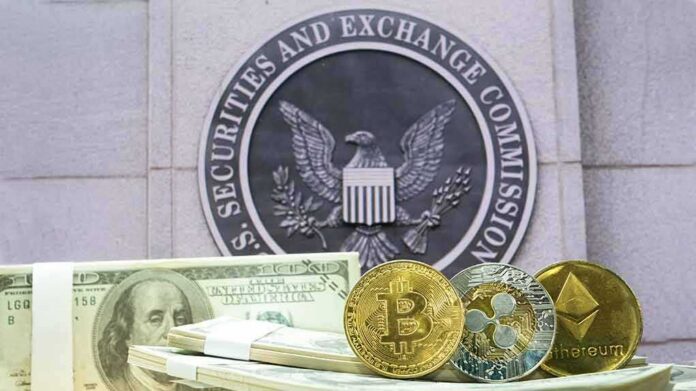
The U.S. Department of the Treasury expanded Iran sanctions to cover aviation, digital assets, gold, shipping, and technology under Executive Order 13902, effective August 24, 2026. Officials described the push as part of a broader drive to limit Iran’s petroleum and petrochemical income and cut off its funds for missiles and weapons. The Office of Foreign Assets Control listed more entities across multiple jurisdictions in recent months as part of this effort. The move raises risks for global firms that touch Iran-linked trade.
These actions fit a pattern called out by Treasury in repeated waves, including designations on Iran’s shadow banking channels and the maritime “shadow fleet” that moves sanctioned oil. The strategy seeks to make every leg of Iran’s revenue chain harder and costlier. That includes brokers, buyers, ships, and facilitators that rely on complex networks. U.S. officials argue the pressure both disrupts money flows today and deters would-be partners tomorrow by raising the price of doing business with Tehran.
Beijing Pushes Back And Signals Protection For Its Firms
China’s Foreign Ministry rejected the latest U.S. steps as illegal and unilateral, and said Beijing would protect the “legitimate rights and interests” of Chinese enterprises named or threatened by Washington. Chinese officials have lodged protests over similar Iran-related sanctions in the past and framed their stance as support for normal trade not barred by the United Nations. The response hints at counters from Beijing’s regulatory and diplomatic playbook that aim to shield targeted companies and banks.
China also sits at the center of Iran’s remaining export flows, buying significant volumes of discounted oil and enabling non-dollar payment routes, according to industry and policy analyses cited by major outlets. That web has helped Tehran blunt parts of U.S. pressure by routing sales through alternative channels and currencies. U.S. policymakers say this is why they are leaning on secondary targets and logistics nodes tied to Chinese jurisdictions, even at the risk of sharper frictions with Beijing.
The Sanctions Debate: Disruption Versus Durable Change
Researchers who study sanctions agree that penalties can drain revenue and complicate procurement. But they question whether that pain alone delivers lasting policy change in Tehran. A Johns Hopkins review estimated unilateral U.S. sanctions since 1970 met stated goals in a small fraction of cases, while noting that Iran sanctions have a mixed record at best on core strategic aims. That history shapes expectations now: disruption is likely; a quick strategic shift by Iran is less certain.
The Biden-era and Trump-era cycles also show another risk: over-compliance and humanitarian side effects documented by international bodies. When banks and shippers pull back too far, trade in allowed goods, like medicine or food, can still stall. That harms civilians and can harden nationalist resolve. Supporters of the latest campaign argue that precise designations and clear licenses reduce those harms. Critics counter that complexity breeds fear in markets, and fear blocks lawful trade anyway.
What This Means For Americans Watching Their Wallets
Energy markets react when sanctions widen against a major oil producer. If flows shift or costs rise for “shadow fleet” shipping, prices can jump. That hits family budgets and small businesses first through fuel and freight. Washington’s bet is that tighter enforcement will curb Iran revenue without a major price spike. Skeptics warn that if China and other buyers reroute and pay more to evade controls, global costs can still climb, and Americans again carry part of the bill.
🇨🇳China Firmly Opposes US Unilateral Sanctions on Iran
China made clear on Tuesday that it firmly rejects illegal unilateral sanctions that have no basis in international law and lack UN Security Council authorization.
In response to the latest US expansion of sanctions…
— GeoPaul626 (@Paull626) August 26, 2026
Both left and right share a core worry here: powerful players make moves, average citizens pay. Many conservatives see a foreign policy elite that talks tough but rarely secures lasting wins. Many liberals see a sanctions machine that hurts people more than regimes. The current standoff with China over Iran pulls those doubts together. The policy goal is clear. The measure of success will be whether it changes Tehran’s actions without punishing American families or eroding U.S. credibility.
Sources:
youtube.com, home.treasury.gov, ofac.treasury.gov, sanctionsnews.bakermckenzie.com, bipc.com, reuters.com, voanews.com, uscc.gov
© truetrendnews.com 2026. All rights reserved.