
Trump’s retaliation threat sharpened into a wider Middle East escalation after U.S. forces in Jordan came under attack and Washington answered with strikes of its own.
Quick Take
- President Trump said Iran would “pay many times over” after U.S. troops were killed in Jordan.
- U.S. Central Command said American strikes hit Iranian military sites tied to attacks on U.S. service members.
- Public reporting shows casualty counts and attribution details changed as the crisis moved fast.
- The dispute now blends military action, legal questions, and a wider fight over how far the United States should go.
Trump Frames the Strike as Payback
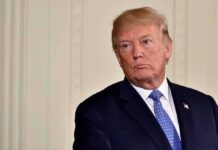
President Trump tied his threat directly to the deaths of American service members in Jordan. Reuters reported that he wrote, “Every time Iran kills an American Soldier they will pay for that killing many times over,” while other coverage said he promised a harsh response and called the attack “a horrible day for America.” The message was plain: the Jordan deaths were being treated as a trigger for retaliation, not just another battlefield event.
The tone also mattered. Trump’s language suggested punishment, not restraint, and that helped shape the public debate before the full facts settled. Some reports said two troops were killed, while others said three were dead and a third was missing at first. That uncertainty did not stop the escalation narrative from taking hold, which is exactly why early crisis reporting can harden fast into policy pressure.
U.S. Strikes Target Iranian Military Assets
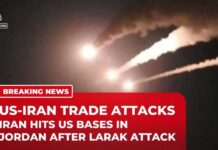
U.S. Central Command said it carried out strikes on Iranian military coastal surveillance, air defense, missile, drone, and maritime sites. CENTCOM said those targets were linked to attacks on U.S. service members in Jordan, which made the American response look like a direct military answer rather than a symbolic warning. Reuters also reported that Trump warned the United States would respond “at a time and location of our choosing,” showing the White House wanted deterrence through visible force.
That response may satisfy people who want action after troop deaths, but it also raises familiar concerns on both sides of the political spectrum. Supporters can see resolve. Critics can see open-ended escalation with no clear end point. The public record in the supplied material does not show a congressional vote or formal war powers finding that defined the full scope of the strikes, which leaves the legal and political ground muddy.
The Facts on the Ground Kept Shifting
The casualty picture changed as reporting moved from one outlet to another. Some accounts said two American troops were killed, while others said three were killed, and one report said a third service member was still missing while remains were being identified. That kind of shifting record matters because retaliation decisions often get made while leaders and the public still lack a clean accounting of what happened. The result is a debate built on urgency, not certainty.
The US military has launched airstrikes in Iran in retaliation for an Iranian missile attack targeting an American base in Jordan. These are the first American strikes on Iran since US President Donald Trump paused the bombing campaign last week to make room for negotiation to… pic.twitter.com/TXudfYqQZL
— JioNews (@JioNews) July 30, 2026
Trump also widened the conflict in his public comments by floating strikes on Iranian power plants and bridges. The Straits Times reported that he said he believed the response should be “very strong, very powerful,” while Reuters later described him threatening to hit power plants and bridges unless Tehran changed course. Those comments pushed the issue beyond the Jordan attack and into a broader question about how much damage the administration was willing to risk.
Why the Story Matters Beyond One Attack
This episode fits a larger pattern in American foreign policy: a deadly strike on U.S. personnel triggers fast retaliation, public threats, and claims of deterrence before the full intelligence picture is available. The supplied reporting shows that pattern clearly. It also shows why many Americans, including voters frustrated with endless overseas conflict, worry that leaders respond to crisis with more force before they explain the end state. That concern is not partisan. It is structural.
The deeper issue is trust. When officials describe strikes as necessary but keep the underlying intelligence and legal basis out of public view, critics on the left and right both have reason to suspect the same thing: the country is being pulled into another cycle of escalation without honest limits. In this case, Trump’s vow to hit back, CENTCOM’s strike on Iranian military targets, and the shifting casualty reports all made the same point. The situation moved faster than the public record.
Sources:
© truetrendnews.com 2026. All rights reserved.