
Police detentions at a youth-led rally spotlight a voter-roll purge that activists say erased tens of millions of Indians from democracy’s most basic list.
Story Highlights
- Police in New Delhi detained protesters at a Gen Z-led rally against voter-roll changes.
- Reports say about 130 million names were struck from draft rolls during a national revision.
- Election officials say the process was lawful and aimed to remove duplicates and ineligible voters.
- Rights groups criticized broad restrictions on peaceful assembly during the demonstrations.
Police Actions And The Protesters’ Demands
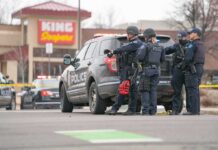
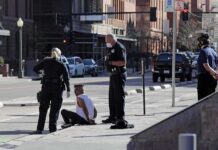
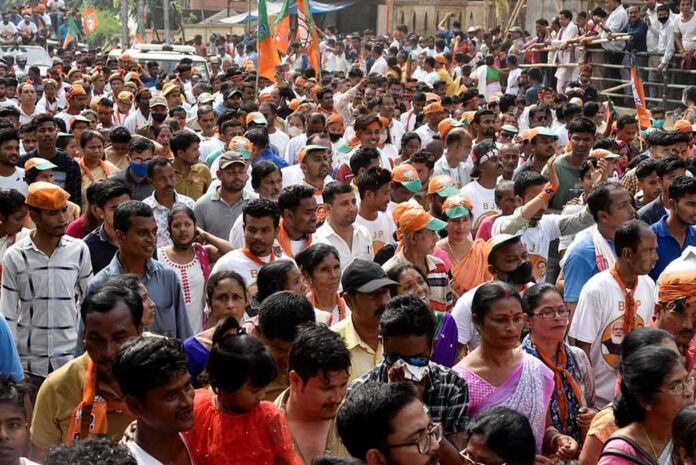
Delhi Police detained several protesters near the city’s central protest zone as youth groups rallied against recent voter-roll changes. Police cited orders that ban mass gatherings in parts of the capital and later released many detainees, while charging some with violating the restrictions. Protesters called for the chief election official to step down and for deleted voters to be restored at once. They argued the mass revision unfairly targeted opposition strongholds and younger, urban voters.
Authorities kept some metro stations closed and set up barricades near protest sites to prevent large crowds from forming. Student groups and civil society organizers attempted to march and hold speeches but found areas sealed under the prohibitory orders. Demonstrations spread to other cities, showing a rare national surge led by Gen Z activists. Organizers framed the stakes in simple terms: if the rolls are wrong, the election is not fair. Police argued the curbs were needed to maintain order.
How A Routine Revision Became A National Flashpoint
India’s Election Commission began a Special Intensive Revision of voter lists in 2025 to clean up records. Voter-roll updates are common, but this round drew outrage due to its size and pace. Media reports said the first draft struck about 130 million names, with those cut told to prove eligibility before they could be added back. The scale sparked charges of wrongful deletions in states like Bihar and West Bengal, and fresh protests that targeted the country’s top election official.
Investigative reporting added fuel by describing process changes and centralized tools that critics said could override local checks. One commissioner reportedly objected to an added registration question, calling it unauthorized and illegal in internal notes, according to an Indian Express report. The commission later ordered states to run a special drive to re-enroll eligible voters missed in the revision, an implicit nod to mounting complaints. These steps did not slow the protests, which demanded faster and clearer remedies.
What Officials Say About The Roll Changes
The Election Commission said the goal was to remove duplicate, deceased, or ineligible voters while keeping all eligible citizens on the lists. Officials stated that differences inside the commission were normal parts of deliberation and insisted that all actions were lawful. Reuters reported that the commission directed officials to register newly eligible voters and those omitted from the rolls, signaling an attempt to address gaps while defending the process. The commission framed the review as housekeeping, not a partisan tilt.
Police defended the detentions by pointing to formal orders that barred gatherings and slogans in sensitive zones around the protests. They said organizers had no permission and gave no prior notice for the march in Delhi’s core area. Human rights advocates pushed back, arguing that broad use of bans and transport shutdowns trampled peaceful assembly. Amnesty said hundreds were detained as authorities imposed sweeping limits in Delhi and Mumbai while protests remained largely peaceful.
Why This Fight Resonates Beyond India
Large roll cleanups can raise trust or wreck it. When the state explains changes well and fixes errors fast, people accept the results. When millions lose their place on a draft list and must claw back in, doubt spreads. This tension is not unique to India. Voters across democracies fear that the people in charge will bend rules to keep power. That fear grows when systems feel opaque, rushed, or remote from local oversight.
🔴 India youth movement demands election chief's resignation over voter roll purge
India's Cockroach Janta Party (CJP), a youth-led movement, is calling for the chief of the election commission to resign, claiming he is overseeing an unfair review of the electoral roll that has… pic.twitter.com/YXHDqaivb3
— NewsTongue (@NewsTongueX) October 3, 2026
For readers in the United States, the echo is clear. Many on the right worry about dirty rolls and phantom votes. Many on the left worry about purges that drop real voters. Most agree that leaders often guard their jobs before our rights. India’s clash shows the cost when process gets ahead of consent. Clean rolls and broad access can live together. They do not when speed, secrecy, and crackdowns replace patient, public, local proof-of-fairness.
What To Watch Next
Watch whether the special re-enrollment drive restores large numbers fast, and with clear proof that errors are fixed. Watch whether courts or outside panels review the legal steps that shaped the revision, including any rule changes in forms or software controls. And watch the streets. If protests keep growing, pressure will rise for transparent audits, local verification, and plain-language notices to every voter cut from the rolls, with easy paths back on.
Sources:
indianexpress.com, usnews.com, nytimes.com, amnesty.org, reuters.com, thestandard.com.hk
© truetrendnews.com 2026. All rights reserved.