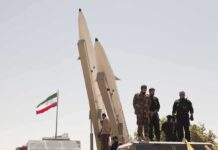

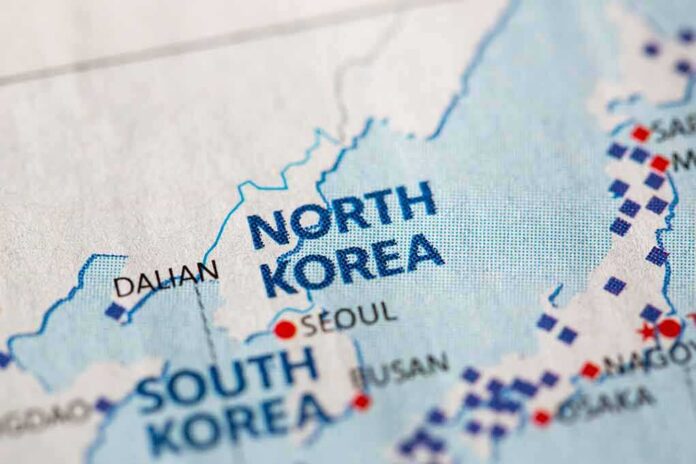
North Korea’s missile launch, coming amid a land mine dispute that wounded South Korean troops, raises the risk of a fast military spiral on the peninsula.
Story Snapshot
- South Korea and the United Nations Command blame North Korean mines for border blasts; Pyongyang denies it.
- North Korea fired a ballistic missile as tensions rose over the mine incident and joint drills.
- Seoul called the launch a provocation that violates United Nations resolutions.
- Pyongyang frames the launch as routine military modernization and warns against South Korean fire.
What Happened: Missile Launch Amid Border Tensions
South Korea’s military said North Korea fired a ballistic missile toward waters east of the peninsula. The launch came near planned or ongoing United States–South Korea drills that North Korea opposes, a pattern seen in past years. South Korea’s Joint Chiefs of Staff tracked the launch from the Wonsan area and increased surveillance with the United States and Japan. Seoul’s security officials met in emergency session and condemned the launch as a provocation that breaks United Nations Security Council rules.
North Korean state media stayed sparse on technical details, a common practice around tests. Wire services and regional outlets described the projectile as ballistic, with timing that suggests both weapons testing and political signaling. The launch followed other recent firings connected to allied exercises, reinforcing a cycle where each side trains or tests to show resolve. Japanese officials reported tracking the flight, and no damage reports were immediate from the short-lived event.
The Mine Blasts: Claims, Denials, and an Armistice Warning
Three South Korean soldiers were hurt by land mine explosions near the Demilitarized Zone, a heavily fortified border area. South Korea’s military and the United States–led United Nations Command assessed that North Korean anti-personnel mines caused the blasts and said the incident violated the 1953 Armistice Agreement. Kim Yo Jong, a senior North Korean official, rejected the charge as “groundless” and called the South’s account “a farce,” denying any deliberate mine-laying.
North Korea warned it would respond “immediately and mercilessly” if South Korean troops opened live fire on its soldiers working on border fortifications. That warning raised fears of quick escalation from a local incident to a larger clash. South Korea demanded an apology over the blasts, while North Korea insisted the mine narrative is fabricated. The gap between these claims remains wide, and neither side has released public forensic data that could settle the mine source dispute for outside experts.
How Each Side Frames the Launch and Why It Matters
South Korean authorities tied the missile launch to United Nations Security Council bans, arguing that repeated tests erode regional security and demand tighter pressure on Pyongyang. They also link the test to a long pattern of launches around allied exercises, which officials view as timed coercion meant to split the alliance and win concessions. This stance backs more air and missile defense drills, deeper intelligence sharing, and continued sanctions enforcement with partners.
North Korea claims the test fit a military modernization plan that supports a five-year defense goal, not a strike threat. That line portrays launches as lawful steps every state takes to maintain arms, even as United Nations resolutions say otherwise. North Korea also uses denials to push back on narratives that justify joint drills and sanctions. This framing aims to rally domestic support, stress sovereignty, and signal that pressure will not stop its weapons programs.
Why Americans Should Care: Costs, Risks, and Credibility
United States forces help defend South Korea and Japan, so any rapid clash can pull Americans into danger fast. Missile tests strain alliance resources and drive more spending on interceptors, radars, and deployments. Taxpayers shoulder those costs whether Washington chooses more drills, new technology, or added patrols. Allies also watch how United States leaders manage crises to judge credibility. Weak responses can invite more tests; rash steps can spark a war neither side wants.
#BREAKING 🚨 ASIA IN 24 HOURS: 7 STORIES MOVING THE REGION 🌏🔥
1️⃣ 🚀 NORTH KOREA FIRES BALLISTIC MISSILE
South Korea’s Joint Chiefs: one ballistic missile launched from the Wonsan area around 6:30 a.m. Saturday toward the East Sea. Japan’s Defense Ministry: flew about 680 km… pic.twitter.com/ocEesxIKr0— don stefan (@DonStefan____) October 3, 2026
For many Americans, this standoff feeds a wider fear: that global crises keep burning while Washington cycles through talking points. Clear goals matter. If the aim is deterrence, allied drills and sanctions must be steady and paired with precise red lines. If the aim is talks, channels must be real and insulated from daily outrage. Either way, citizens deserve straight answers on risk, cost, and end states before events outpace policy yet again.
What to Watch Next: Signals That Move the Needle
Watch for satellite images of launch sites and border work that outside analysts can validate. Look for the United Nations Command to release more details on the mine scene, such as mine type or fuse data, that could narrow blame with confidence. Track whether North Korea pairs this launch with more short-range barrages, which often follow allied drills and tighten response timelines for Seoul, Tokyo, and Washington. Any exchange of live fire at the border would mark a serious shift.
Sources:
en.yna.co.kr, upi.com, m.ajupress.com, reuters.com, apnews.com, aa.com.tr
© truetrendnews.com 2026. All rights reserved.