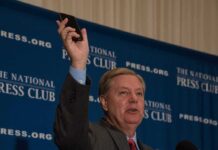


Representative Ro Khanna is pushing $1,700 “Iran war refund” checks tied to a bill that would tap unused defense funds.
Story Snapshot
- Khanna urged Congress to send $1,700 checks to offset war-linked price spikes.
- His September bill, the Illegal War Refund Act, links payments to Iran-war costs.
- The plan looks to unobligated defense funds while shielding key military accounts.
- Reports say the bill has not advanced and does not fix the $1,700 amount.
What Khanna Proposed And Why It Matters
Representative Ro Khanna said he wants to send every American family a $1,700 check to cover higher costs he links to the war in Iran, naming gas, food, and electricity as key pain points. He tied the idea to earlier legislation he introduced, which frames the payments as refunds for war-driven price pressure. He urged Democrats to pass the measure in the first week if they regain control in January 2027, then send it to President Trump.
Khanna’s pitch taps a familiar tool: broad relief checks during national shocks. Past rebate waves showed some near-term spending gains, especially for lower-income households that face tight budgets. The Congressional Budget Office estimated in 2008 that about 40 percent of rebate money was spent within six months, lifting short-term consumption. That history explains the appeal. Many families feel squeezed by rising everyday costs and want fast help that arrives in their mailbox or bank account.
What The Bill Says And How Payments Would Be Funded
Reports describe Khanna’s Illegal War Refund Act as drawing on unobligated Department of Defense funds to finance equal payments for eligible taxpayers and dependents, while sparing military personnel, military construction, and the Defense Health Program. That approach fits federal rules that transfers between accounts need clear legal authority from Congress. The plan would route money to the Treasury for distribution, turning idle balances into direct relief if lawmakers adopt the bill’s language.
Several outlets say the public bill text does not set the $1,700 figure in law. Instead, the amount would come from the bill’s formula, which could change with balances and design choices. That matters for households trying to plan. Khanna’s messaging says “$1,700 per family,” but reported language points to payments per filer and dependent, which would change totals and program cost. The difference affects who gets what and how quickly Treasury could send payments.
Where The Plan Stands In Congress
Coverage says the bill was referred to committees and has not moved forward, leaving no authorization, no appropriation, and no delivery schedule. Khanna called on Democrats to advance checks during the first week of a new majority, setting a clear political clock for action. Until committees act, the measure remains a proposal. That means no confirmed payment amount, no budget score, and no Internal Revenue Service plan for implementation based on the public reporting so far.
Rep. Ro Khanna wants Democrats to pass $1,700 “Iran war refund” checks for American families in their first week controlling Congress in January, and put it on President Trump’s desk.
His own bill (the Illegal War Refund Act) would pull the money from unobligated Department of… https://t.co/uhBDC6NDbc pic.twitter.com/H9zi2GCNZd
— Patricia 🇺🇸 (@1109Patricia) November 17, 2026
Khanna links the need for refunds to war effects on oil routes and prices that filter into gas, shipping, and food costs. Energy shocks can raise pump prices fast, squeezing family budgets and small businesses. The policy question is design. History says checks can help with short-term spending, but the impact depends on timing, who gets paid, and how the funds are raised. Law also sets guardrails for moving defense funds, which Congress would need to address in any final bill.
Sources:
nypost.com, washingtonexaminer.com, thehill.com, theepochtimes.com, ianslive.in, nationpress.com, yahoo.com, lokmattimes.com, cbo.gov, gao.gov
© truetrendnews.com 2026. All rights reserved.