
A federal immigration agent shot and wounded a man in North Austin, and city officials say local police were not involved.
Story Snapshot
- A federal immigration agent shot and injured a man in North Austin on Sunday.
- Austin officials said city police were not involved and details remain limited.
- The injured man was taken to a hospital and was alert and talking.
What happened in North Austin
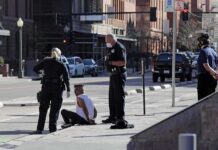
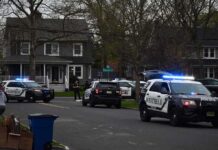
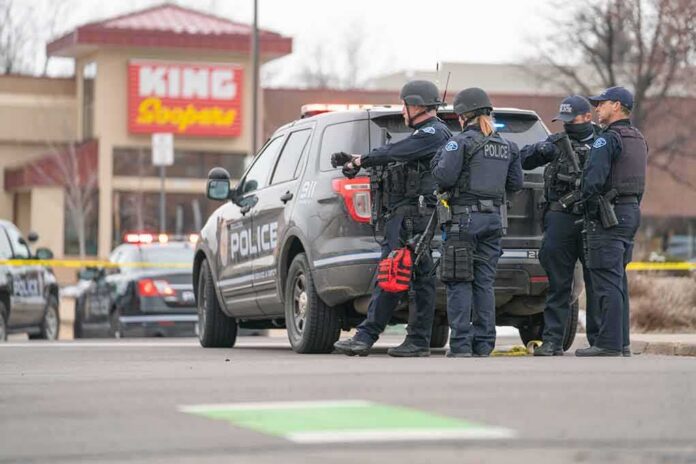
Authorities said a federal immigration agent shot and wounded a man in North Austin on Sunday. Multiple news outlets reported the shooting near West Anderson Lane, describing an active crime scene with police tape and damaged vehicles. City communications said Austin-Travis County Emergency Medical Services took the injured man to a hospital. The city said he was alert and talking at that time. Reporters on scene described a dark blue Toyota Corolla with damage and apparent bullet holes at the passenger door.
Austin officials told city council members that Austin police officers were not part of the encounter. The message also said the city did not yet know what led to the shooting. That statement pointed to a federal-led operation and left key details for federal investigators to explain. A spokesperson for the Texas Department of Public Safety said the federal immigration agency was handling the case in the 7000 block of West Anderson Lane, according to local reports.
Who is investigating and what leaders are demanding
City officials scheduled a press conference to address the incident, signaling that they view the shooting as significant and still developing. United States Representative Greg Casar said an officer with the federal immigration agency was involved and called for a full, independent investigation. He also urged immediate release of any body camera footage tied to the encounter. His statement reflected rising pressure for transparency when federal agents use force in local neighborhoods.
The call for video fits a broader fight over when agencies release recordings. Federal policy on body cameras has expanded in recent years, but many agencies still control if and when footage goes public. Reports note the federal immigration agency will release video after serious incidents only when leaders decide it is in the agency’s best interests. That policy often clashes with public demands for fast disclosure after shootings that happen in busy city areas.
Why this touches a national fault line
This shooting sits at the tense crossroads of immigration enforcement and local trust. People on the right want firm border and interior enforcement and expect officers to defend themselves and others. People on the left worry about excessive force, civil rights, and mistakes during civil immigration actions. Both sides, however, often agree on one point: agencies should show clear facts fast when force is used in public view, especially when the action is federal and the scene is local.
BREAKING: An ICE-involved shooting in Austin, Texas is being investigated. @Max_Gorden has the latest on the situation.
pic.twitter.com/DtbIr8QfA0 https://t.co/ka9jkLLGeG
— VICTOR (@victorLiuFu) September 21, 2026
Studies on body cameras show mixed results on force and complaints, which adds to the debate. Some research finds little or no clear change in use of force or in complaints when officers wear cameras. Other reviews argue cameras can still help with evidence and public confidence when policies support prompt, fair release of video. That gap between hopes and real outcomes fuels today’s push for stronger and clearer disclosure rules across agencies.
What we know now, and what to watch next
Based on city statements and news reports, a federal immigration officer fired during an encounter in North Austin, wounding a man who reached a hospital awake and speaking. Austin police did not take part. Local media described a bullet-damaged blue Toyota Corolla at the scene. Officials said the federal immigration agency was directing the investigation. City leaders set a public briefing, and at least one member of Congress urged an independent review and release of any video evidence.
Next steps will likely include a formal timeline from the agency, interviews with witnesses, and review of any recordings. If video exists and is released, it could answer key questions about the lead-up, the use of a vehicle, and the moment the shot was fired. If the agency withholds video pending review, local officials may keep pressing for disclosure. Either way, the outcome will shape public views on how federal power is used on city streets.
Sources:
townhall.com, statesman.com, cnn.com, news.meaww.com, cbsaustin.com, yahoo.com, abcnews.com
© truetrendnews.com 2026. All rights reserved.