
An Iranian military arm told Americans to vote out President Trump’s allies, turning a foreign conflict into a direct pitch to U.S. voters.
Story Snapshot
- Iran’s Islamic Revolutionary Guard Corps issued a long open letter urging Americans to reject Trump-aligned leaders ahead of midterms.
- The message tied its appeal to U.S. support for Israel and overseas military action, and accused Trump of lying about the conflict with Iran.
- Follow-on comments urged Americans to protest in the streets against the administration’s policies.
- Experts say this fits a pattern of foreign efforts to exploit U.S. political divides during elections.
IRGC Appeals Directly to U.S. Voters Before Midterms
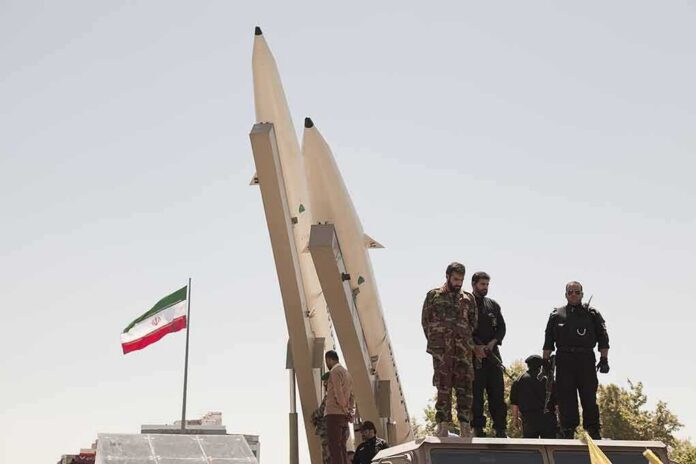
Iran’s Islamic Revolutionary Guard Corps released a 25-to-26 page open letter to “the American people” urging voters to reject President Trump and his allies before the midterm elections. The letter told Americans they could “wrest control back from corrupt politicians” and change policy through the ballot box. Reporters said the document framed the choice around ending support for Israel and opposing foreign military action by the United States. The timing placed the appeal about five weeks before Election Day.
The letter accused President Trump of lying to the public about the nature of the war involving the United States, Israel, and Iran. It argued that Iran seeks peaceful coexistence if U.S. policy shifts. That framing aimed to link domestic votes to foreign policy change. It also presented Iran’s narrative of the conflict, casting U.S. actions as aggressive and counterproductive. American officials have long designated the Guards as a terrorist organization, underscoring the stakes of this messaging.
Escalation From Ballot Box to Street Protests
Coverage of the response in Tehran did not stop at voting. A spokesperson for the Guards later called on Americans to protest in the streets against the administration’s “warmongering” policies. That push blended electoral action with public demonstrations, signaling an effort to pressure policymakers on multiple fronts. This approach mirrors past information operations, which often aim to raise social tension while shaping debate over security and foreign policy choices.
The White House response dismissed the letter as propaganda and an obvious attempt to meddle in U.S. politics. Aides cast the message as “garbage” and “farcical,” and said Americans would see through it. The administration continues to argue that firm pressure on Tehran is necessary to blunt attacks, constrain its regional reach, and defend U.S. forces and partners. That hard line has fed sharp partisan debate at home over costs, risks, and desired outcomes.
Why Foreign Messaging Targets U.S. Voters Now
Analysts say the letter fits a known pattern. Foreign governments often try to shape the U.S. election climate by spotlighting the policies they want weakened. In this case, Iran’s Guards highlighted pressure on Tehran, support for Israel, and wider U.S. interventions. Experts warn that such appeals do not always equal a clean endorsement of a party. They often aim to deepen divides, raise doubts about leaders, and push policy shifts through political strain, no matter who wins.
The strategy leverages shared American frustrations. Many conservatives resent costly foreign wars and believe Washington ignores everyday struggles at home. Many liberals oppose military escalation and want fewer entanglements abroad. By speaking to both sets of concerns, a foreign actor can inflame distrust in leaders and institutions. That distrust can crowd out sober debate about national interests, budgets, and alliance duties, which are the foundations of sound policy during conflict.
What This Means for Americans Across the Spectrum
For voters on the right, the letter looks like a hostile regime cheering on the removal of Trump’s team. That will read as confirmation that hard-nosed pressure is hurting Iran, and that Tehran wants it to stop. For voters on the left, the appeal may land as a call to end open-ended wars and reduce suffering. Both reactions are understandable. But both also show how an outside power can bend real U.S. worries toward its own goals, not toward American priorities.
Americans can push back by focusing on clear interests and facts. First, decide which policies best protect the country, its economy, and its values. Second, weigh claims from any foreign source with caution, especially during elections. Third, demand that leaders, regardless of party, explain costs, timelines, and success measures for any military or sanctions plan. That kind of discipline denies outside players the chance to hijack our debates for their ends.
Sources:
iranintl.com, time.com, deccanherald.com
© truetrendnews.com 2026. All rights reserved.