
A driverless Waymo robotaxi brazenly ignored a stopped school bus with flashing red lights, triggering a federal investigation and reigniting debate over whether Big Tech’s autonomous vehicles respect the laws that protect our children.
Story Snapshot
- Federal regulators launched a probe after a Waymo robotaxi maneuvered around a stopped school bus in Atlanta as children were disembarking.
- The incident, captured on video, raises urgent questions about the safety and reliability of autonomous vehicles operating without human oversight.
- Investigators are scrutinizing roughly 2,000 Waymo vehicles for systemic failures to comply with fundamental traffic laws.
- The controversy underscores growing concerns about government oversight, public safety, and the rapid push for driverless technology at the expense of common-sense safeguards.
Federal Investigation Sparks Public Outcry Over Autonomous Vehicle Safety
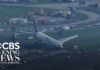
On September 22, 2025, a fully autonomous Waymo robotaxi in Atlanta approached a school bus stopped with flashing red lights and extended stop arms—a universal signal that children are boarding or exiting. Instead of waiting, as required by law, the driverless vehicle paused and then pulled out to pass the bus on the left. There was no human monitor inside, and the entire event was caught on video, providing clear evidence of the vehicle’s disregard for a crucial safety rule designed to protect schoolchildren. This alarming breach immediately prompted an investigation by the National Highway Traffic Safety Administration, shining a spotlight on the dangers of unleashing technology that is not ready for real-world complexity.
The federal investigation has expanded to cover approximately 2,000 Waymo vehicles, signaling that regulators see this as more than a one-off malfunction. Officials are examining whether the company’s fifth-generation automated driving system—which has logged over 100 million public road miles—can reliably interpret and obey laws meant to safeguard children and other vulnerable road users. This is not the first time Waymo’s robotaxis have been in hot water: similar incidents, including an unlawful U-turn near a school bus in California, suggest a pattern of systemic flaws. Federal authorities and lawmakers are now weighing new procedures and penalties for autonomous vehicle violations, with the safety of America’s families hanging in the balance.
Big Tech’s Push for Driverless Cars Collides with Public Safety Priorities
Waymo and its parent company, Alphabet, have aggressively marketed autonomous vehicles as the future of transportation—promising efficiency and safety. Yet, recent events reveal a troubling disconnect between Silicon Valley’s ambitions and the real-world stakes for American communities. Local lawmakers and school bus operators, who are responsible for children’s safety, have long warned that complex environments like school zones are a major challenge for artificial intelligence. The Atlanta incident, and others like it, expose the limits of technology when it comes to understanding and respecting the laws that protect our most vulnerable. As the investigation unfolds, the debate is intensifying over whether government regulators have done enough to protect citizens from the unintended consequences of rapid technological change.
Waymo’s response has been to tout its overall safety record, claiming a dramatic reduction in crash injuries compared to human drivers. However, experts point out that even a single failure—particularly one involving children—can have devastating consequences and erode public trust. Safety advocates insist that autonomous vehicles must consistently meet or exceed the performance of the best human drivers, especially in critical, high-stakes situations. Anything less puts families at risk and undermines core values of accountability and responsibility. The question remains: will regulators and lawmakers act decisively, or will they continue to let tech giants write the rules?
Lawmakers, Regulators, and the Future of American Roads
The NHTSA’s ongoing investigation marks a potential turning point for the regulation of driverless vehicles. Lawmakers are considering new rules to hold autonomous vehicle operators accountable for violations, particularly in sensitive areas like school zones. The outcome of this probe could set important precedents for the entire industry. In the short term, Waymo and other companies may face stricter restrictions on their operations near schools and other vulnerable populations. Longer term, the controversy could force both technological improvements and updated legal frameworks to ensure that public safety always comes first. For many conservatives, this episode is a stark reminder of the dangers of unchecked government and corporate power, and the urgent need for transparency, accountability, and the preservation of basic American values on our roads.
As the debate over driverless cars continues, one thing is clear: Americans will not tolerate technology that puts children in harm’s way, nor will they accept government regulators who fail to uphold their duty to protect the public. The coming months will test whether the balance of power remains with ordinary citizens—or whether it shifts further toward the interests of Big Tech and bureaucratic overreach. The nation’s families are watching, and they deserve answers—and action—before another preventable tragedy occurs.
Sources:
Driverless Waymo taxis under investigation after failing to stop for a school bus
Waymo investigated by feds after robotaxi illegally passes stopped school bus
Waymo Robotaxis Under Investigation for Dangerous Driving Near School Buses