
Federal notices and expert counts say Texas border wall work could block access to hundreds of archaeological and sacred sites along the Rio Grande, putting irreplaceable history at risk.
Story Snapshot
- Archaeologists warn the wall could disrupt at least 425 sites, including 84 rock art locations.
- Customs and Border Protection correspondence identified dozens of historic resources in planned build zones.
- A prior federal review logged hundreds of sites but found no significant impact overall.
- Gaps in protection on private land heighten fears of permanent cultural loss.
What the New Build Plans Would Touch on the Ground
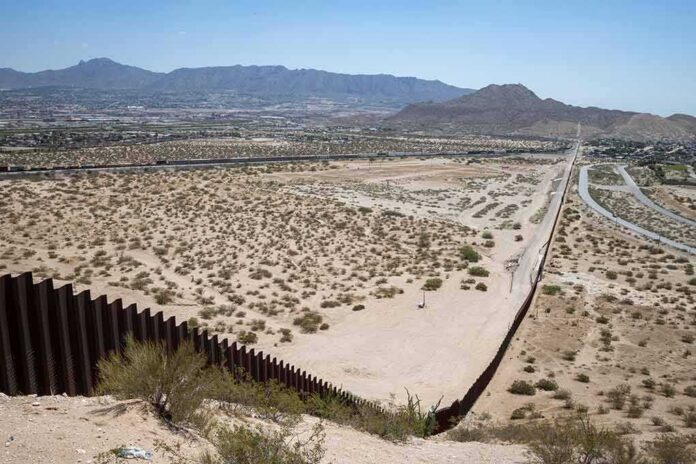
Archaeology leaders in West Texas say planned wall and road segments would cut across private ranchlands packed with history. They point to rock shelters, murals, village remains, and burial places along canyons and river bends. Researchers estimate at least 425 archaeological sites sit in the affected region, including 84 intricate rock art sites that date back thousands of years. Landowners report receiving federal notices that routes could run across rugged private tracts near the Rio Grande, raising access and preservation concerns.
Tribal representatives add that cultural practices rely on access to plants, medicines, wildlife, and sacred places tied to the river corridor. They argue a continuous barrier and controlled access roads would break those ties, even if features are not bulldozed outright. That practical loss matters because once heavy equipment reshapes ground and drainage, context is gone for good. Archaeologists stress that damage to rock art panels or burial soils cannot be undone, and records cannot replace the original sites.
What the Government Has Documented and Decided So Far
Customs and Border Protection exchanges posted by the Lipan Apache Tribe list 39 historic or culturally significant resources in one planned area of potential effect, and 14 in another. These include prehistoric camps, historic road segments, and other sites that could qualify for the National Register of Historic Places. Those tallies show federal awareness that sensitive places are present. They also frame the challenge of building linear infrastructure through a landscape dense with heritage.
A Department of Homeland Security environmental assessment from 2014 reported wide surveys, documenting 458 archaeological sites, 164 historic structures, and one historic district across earlier project areas. That review still reached a finding of no significant impact for the proposed action at that time. Supporters of construction cite this as evidence that surveying and mitigation can manage risks. Critics counter that new routes, private parcels, and site access limits make today’s footprint and effects different than those past determinations.
Why Private Land Rules Leave a Big Gap
Texas law gives strong weight to owner consent on private property. State Archaeological Landmark status on private land is voluntary and only takes effect with the owner’s written permission. Without that designation, the state’s antiquities protections generally do not apply to private sites, even if they are important to science or culture. Guidance to landowners also says that finding a site does not reduce property rights, which limits government leverage to pause work on private tracts.
"Intaglios are often ancient designs scraped into desert pavements.
The Nazca Lines of Peru are probably the most widely known examples,
The Las Playas Intaglio, located in southern Arizona, was destroyed in April by Trump's border wall."https://t.co/BnuqOSBKbi pic.twitter.com/zDHb5PUT9s
— Alex Shams (@alexshams_) August 24, 2026
This legal gap means many of the most fragile places lack binding safeguards before bulldozers arrive. Archaeologists urge a simple sequence: survey first, avoid when possible, and document carefully if avoidance fails. They warn that once a rock panel flakes or a burial context is graded, the loss is permanent. In a country already split over security and identity, both right and left can agree on this much: government should not waste tax dollars by destroying history that cannot be replaced.
Sources:
iflscience.com, sanantonioreport.org, texasmonthly.com, hyperallergic.com, lipanapachetribe.gov, thc.texas.gov, mexiconewsdaily.com, theguardian.com
© truetrendnews.com 2026. All rights reserved.