

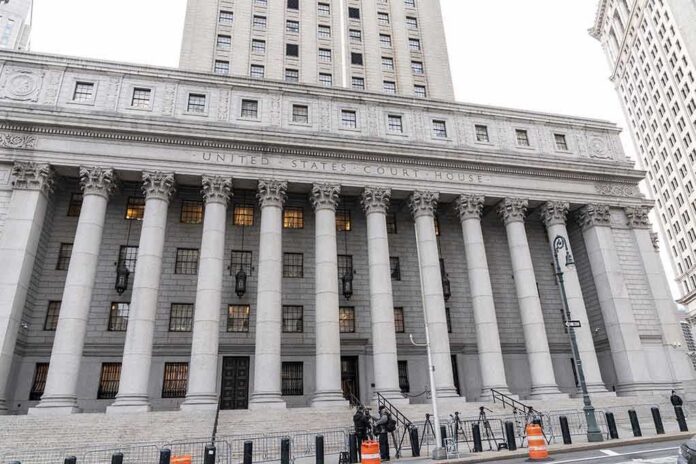
Colombia put an alleged rebel drug boss on a U.S.-bound plane, and now San Diego prosecutors say he faces cocaine conspiracy and narco-terrorism charges.
Story Snapshot
- Colombia extradited Geovany Andres Rojas, known as “Spider,” to California to face federal charges.
- A 2025 superseding indictment added a narco-terrorism count to an existing cocaine conspiracy case.
- U.S. officials say Rojas led a cross-border cocaine network tied to armed groups.
- The case highlights long-running U.S.–Colombia extradition cooperation amid debate over sovereignty.
Extradition Delivers Alleged Cocaine Leader To U.S. Court
Federal prosecutors in San Diego said Colombian national Geovany Andres Rojas, also known as “Araña” or “Spider,” arrived in the United States after extradition from Colombia. Officials described Rojas as an alleged high-level cocaine trafficker linked to violent groups. He is charged with international conspiracy to distribute cocaine and narco-terrorism under a federal case in the Southern District of California. An arraignment and first appearances typically follow transfer to local custody.
Prosecutors allege Rojas helped move large amounts of cocaine with knowledge it would enter the United States. They also allege his network supported or worked alongside armed factions, which they argue supports the narco-terrorism charge. A federal grand jury in March 2025 returned a two-count superseding indictment adding the narco-terrorism offense to the earlier cocaine conspiracy count, signaling how the government plans to argue the case in court. Rojas, like any defendant, is presumed innocent until proven guilty.
Charges And Potential Penalties In The San Diego Case
The cocaine conspiracy count targets agreements to distribute cocaine knowing the drugs would be imported into the United States. The narco-terrorism count applies when prosecutors say drug crimes support acts meant to intimidate or coerce through violence. Reported summaries say the combined charges could expose a defendant to very severe penalties if convicted, including lengthy prison terms that can reach decades to life depending on the count and proven conduct. Sentencing would follow federal guidelines and any mandatory minimums.
The Department of Justice described Rojas as part of a cross-border enterprise and credited a homeland security task force for the investigation. The San Diego venue suggests agents traced parts of the alleged supply chain to U.S. entry routes tied to the Southwest border and Pacific corridors. Prosecutors often use conspiracy laws to capture the full scope of a network, including suppliers, transporters, and financiers who never personally cross into the United States but aim products at U.S. markets.
Why Colombia–U.S. Extradition Keeps Driving Big Drug Cases
Colombia has a long record of extraditing suspected traffickers to the United States. A bilateral treaty entered into force in 1982, and the practice has continued under Colombia’s domestic law even during legal debates. Analysts and U.S. officials say extradition helps build cases, disrupt financing, and reach suspects who direct operations from abroad. Critics inside Colombia have argued it weakens local justice and cedes control to Washington, but the tool remains central to joint counternarcotics efforts.
#ICYMI – 🚨CASE UPDATE – EXTRADITION – #FBISanDiego🚨
In coordination with federal and international law enforcement partners, Geovany Andres Rojas, aka “Araña,” a Colombian national and alleged high-level narco-terrorist and prolific cocaine trafficker, was extradited from… pic.twitter.com/LM3CT6tdm7— FBI San Diego (@FBISanDiego) September 28, 2026
U.S. agencies also frame some drug cases as terrorism-linked when money or logistics aid armed groups. That approach raises stakes and can bring heavier penalties, but it still must be proven to a jury. The Rojas case fits that trend, with the government alleging cocaine trafficking that supported violent actors and threatened communities on both sides of the border. The outcome now shifts to federal court, where evidence, witnesses, and cross-border records will face adversarial testing.
Sources:
reuters.com, aljazeera.com, riotimesonline.com
© truetrendnews.com 2026. All rights reserved.