

Rep. Ro Khanna is pushing $1,700 “Iran war refund” checks and says Congress should pass them fast to blunt rising household costs.
Story Snapshot
- Khanna promoted $1,700 checks to offset higher gas, food, and power costs tied to the Iran war.
- He linked the idea to his Illegal War Refund Act introduced in September 2026.
- The plan would draw on unobligated defense funds while sparing troops, health care, and construction.
- Reports say the bill has not advanced and does not lock in a $1,700 amount.
What Khanna Proposed and Why It Matters
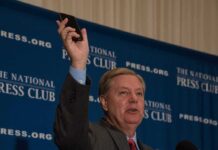
Rep. Ro Khanna said he wants to send every American family a $1,700 check to make up for costs he links to the Iran war. He cited higher gas, food, and electricity prices due to oil route disruptions as the main hit to family budgets. He framed the idea as near-term relief and a test of whether Congress will act. He argued the move would help families who feel squeezed while Washington argues and delays.
Khanna tied the payment push to legislation he introduced in September called the Illegal War Refund Act. Reports describe the bill as a framework that directs money back to taxpayers and dependents to offset interest rates and price spikes that he connects to the conflict. He urged Democrats to move the checks in the first week if they retake Congress in January 2027 and then send the bill to the president for signature.
How the Plan Would Be Funded and What It Would Exempt
Coverage says the bill looks to unobligated funds at the Department of Defense, sometimes called unspent funds, and would transfer them to the Treasury to pay the refunds. The reports note explicit carve-outs that protect pay for service members, the Defense Health Program, and military construction, which would not be tapped. That approach aims to fund relief without cutting core military operations or health care for troops and families.
The idea of using unobligated defense money touches long-standing budget rules. Government Accountability Office guidance explains that moving money between appropriations is a transfer that requires clear legal authority from Congress. Agencies cannot shift funds across accounts on their own. A law can direct such transfers if Congress votes to allow them, which is what Khanna’s proposal would seek to do.
What Is Clear, What Is Not, and the Timetable
Reports agree on several limits. The $1,700 headline number appears in Khanna’s public pitch, but articles say the September bill does not fix that exact amount in law. Some coverage also notes a mismatch between talk of “families” and bill language that appears to pay eligible taxpayers and dependents, which would change the reach and the total price tag. The measure has only been referred to committees and has not advanced.
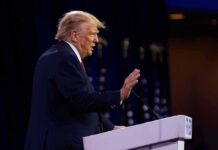
Khanna set a timeline built around a possible Democratic majority next year. He called on Democrats in the House and Senate to pass the checks in their first week in January 2027 and to send the bill to President Trump. That schedule underscores the partisan reality: Republicans control Congress today, and the White House has not committed to this plan. For now, the idea depends on future floor action that has not been scheduled.
How This Fits a Larger Playbook on Economic Shocks
Washington has used broad checks before when shocks hit. The Congressional Budget Office found that many households spent a share of the 2001 and 2008 rebates within months, with stronger effects for lower-income and credit‑limited families. That record suggests checks can boost near-term spending and ease strain, but design matters. Who gets the money, how fast it arrives, and how it is paid for all shape the impact on families and the economy.
Rep. Ro Khanna wants Democrats to pass $1,700 “Iran war refund” checks for American families in their first week controlling Congress in January, and put it on President Trump’s desk.
His own bill (the Illegal War Refund Act) would pull the money from unobligated Department of… https://t.co/uhBDC6NDbc pic.twitter.com/H9zi2GCNZd
— Patricia 🇺🇸 (@1109Patricia) November 17, 2026
The price story is real for many drivers. When oil routes are disrupted, gasoline often gets more expensive. News coverage this year described one of the largest oil shocks in years, which pushed pump prices higher. Khanna’s push speaks to a shared worry across the country: families feel rising costs while Washington’s fights drag on. His plan tries to turn unused defense dollars into quick relief. Whether Congress agrees is the next test.
Sources:
nypost.com, washingtonexaminer.com, thehill.com, theepochtimes.com, ianslive.in, nationpress.com, yahoo.com, lokmattimes.com, cbo.gov, gao.gov
© truetrendnews.com 2026. All rights reserved.