
Seven U.S. officials told reporters that Iran mapped targets in Washington, D.C., including scenarios for a dirty bomb or chemical attack, while the White House said there is no credible threat to the homeland.
Story Snapshot
- Seven officials described Iran exploring dirty-bomb and chemical-attack options in D.C.
- White House said it is monitoring threats but sees no credible homeland danger.
- District and federal agencies reported ongoing coordination on radiological and chemical risks.
- Reports framed the activity as option-building, not an imminent attack.
What officials say is being planned and why it matters
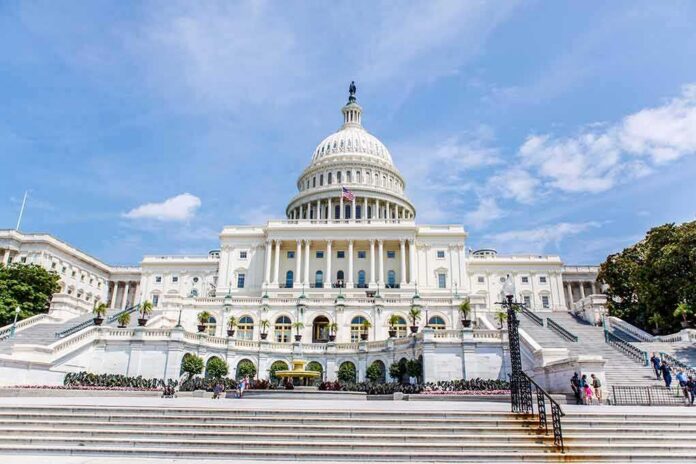
CNN reported that seven U.S. officials described intelligence showing Iran developed potential targets and locations in Washington, D.C., and considered a dirty bomb or a chemical weapon. The reported targets included senior Trump administration officials, though the details remain classified and unnamed. The account said the activity aimed to give Iran options, not to signal an immediate strike. The report did not present public proof of materials, operatives, or logistics in the United States. These are serious claims that demand careful review.
The White House said it is monitoring all potential threats and stressed there were no credible threats to the homeland. That message echoed across agencies and undercut any claim of imminent danger. At the same time, President Trump publicly warned that Iran would “pay a price” if it carried out such a plan, signaling resolve while officials emphasized caution. This split between alarm and assurance can confuse the public and feed worries about political messaging around security.
How a dirty bomb or chemical attack would differ in practice
A dirty bomb, also called a radiological dispersal device, spreads radioactive material using conventional explosives. It is a terror weapon designed to contaminate and cause panic more than mass casualties. Cleanup can take months and force closures of streets and buildings. A chemical attack, by contrast, uses toxic agents to poison air or surfaces, and its danger depends on the agent, quantity, and delivery method. The two threats have very different materials, skills, and supply chains.
No successful dirty-bomb attack has ever been recorded, though there have been scares and failed plots. That base rate does not remove the risk, but it helps frame the claim. Building and moving a device inside the United States would require materials, handlers, and likely an insider or a skilled proxy. Public reporting so far has not identified seized materials, arrests, or a logistics trail tied to this specific case. That gap explains why officials describe options rather than an active plot.
What authorities are doing to prepare and why trust is strained
District officials said the Metropolitan Police Department, the Homeland Security and Emergency Management Agency, and federal law enforcement are coordinating on radiological and chemical preparedness. That includes monitoring information and aligning public-safety efforts. These steps are part of established playbooks after two decades of counterterror work. They matter because even a hoax can cause costly shutdowns. Coordination aims to detect real moves early and manage fear if rumors spread.
Anonymous-source reports trigger skepticism across the political spectrum. Many Americans believe powerful insiders play information games, especially during foreign crises. Here, the lack of a named official, affidavit, or declassified assessment makes the warning feel opaque. Critics point to past scares that fizzled or were oversold. Supporters say secrecy protects sources and methods and that caution beats complacency. This tension is not new, but it widens when leaders mix stern threats with “no credible danger” statements.
Ground truth so far and the limits of what we know
Based on public reporting, U.S. officials believe Iran is developing options that include a dirty bomb or chemical attack concept and identified possible targets in Washington, D.C. The same reporting states the activity is not an indicator of an imminent attack. The White House says it sees no credible homeland threat but is watching closely. Authorities in the District report ongoing coordination. No public evidence has shown materials, operatives, or a timeline tied to this claim.
US sees no imminent threat from Iran dirty bomb plot, Rubio says https://t.co/MhOxFeDHfR
— The Arab Weekly (@ArabWeekly) November 18, 2026
Readers should focus on two practical questions that cut through politics. First, is there material proof that points to capability and intent, such as seized sources, equipment, or an identified cell? Second, is there an official, on-the-record assessment that sets confidence levels and methods behind the claim? If those emerge, risk goes up. If they do not, the report remains a warning flag, not a confirmed plot. Until then, preparedness is prudent, and panic is premature.
Sources:
youtube.com, cnn.com, independent.co.uk, usatoday.com, yahoo.com, aljazeera.com
© truetrendnews.com 2026. All rights reserved.