
Coordinated U.S. and Israeli strikes on Iran jolted energy and money markets, exposing how fast war risk can ricochet through oil, inflation, and safe-haven flows.
Story Highlights
- President Trump ordered U.S. strikes, coordinated with Israel, under Operation Epic Fury.
- Israel said about 200 jets hit 500 targets as Iran fired missiles and drones in response.
- The United Nations chief condemned the U.S. and Israeli use of force against Iran.
- Analysts said oil, inflation, and flight-to-safety trades drove the market’s first reaction.
What Happened: Coordinated Strikes And A Rapid Iranian Response
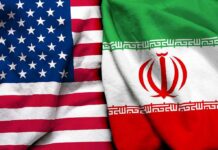
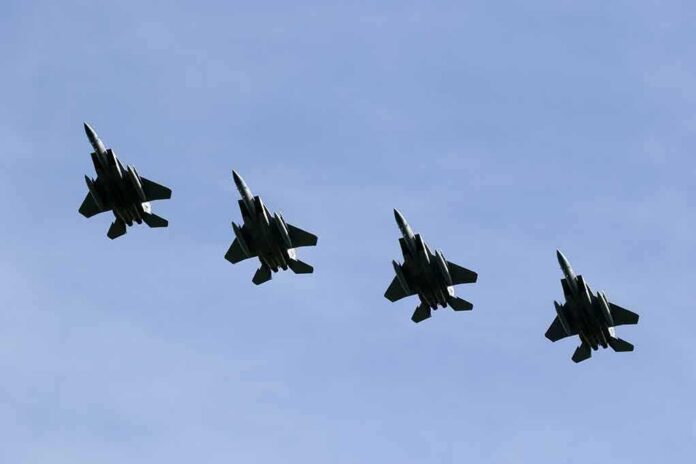
On February 28, 2026, the United States and Israel launched strikes on targets in Iran. Reuters reported that the Pentagon called the U.S. operation Operation Epic Fury, and an Israeli defense official said the action was coordinated with Washington and planned for months. Israel said about 200 fighter jets hit 500 targets in its largest flying mission. Iran fired missiles and drones back. The Pentagon said there were no U.S. deaths or injuries reported from the retaliation.
President Trump said the United States worked closely with Israel and targeted Iran’s leadership to stop an imminent threat. The White House later said Epic Fury aimed to destroy Iran’s missile and drone forces, its navy, and key parts of its defense industry. Reuters reported the United States used Tomahawk missiles, stealth fighters, and B-2 bombers, pointing to a broad strike package across distance and air defenses. The United Kingdom’s prime minister confirmed U.S. and Israeli strikes occurred that morning.
International Blowback: Condemnation And Diplomatic Pressure
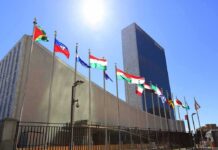
The United Nations Secretary-General condemned the use of force by the United States and Israel against Iran the same day. He told the Security Council he condemned the massive strikes and urged restraint to prevent a wider war. Those remarks added diplomatic heat and signaled a fast-moving crisis. Global capitals tracked whether Iran’s reply would grow, and whether neighbors might be pulled in. Governments weighed energy security and shipping risks tied to the Strait of Hormuz.
Reuters noted Iran’s attempt to answer with missiles and drones, while the Pentagon reported no U.S. casualties from that response. Market watchers, energy officials, and defense partners read these signals in real time. Any hint of fresh barrages or damage to export facilities carried outsized weight. The early hours focused on who struck what, how Iran would answer, and whether pipelines, ports, or tankers were at risk. Those facts shaped prices and policy talks.
Why Markets Moved: Oil, Inflation, And The Flight To Safety
Allianz Global Investors said markets faced a significant but not yet destabilizing shock. Their note described a classic pattern: higher oil, weaker risk assets, and gains in safe havens as investors repriced tail risks. Reuters gathered analysts who said some oil majors paused shipments via the Strait of Hormuz and that the oil impact would hinge on Iran’s response and control of the waterway. These steps translated fast into concern about inflation and rates.
Iran conflict → monetary risk is second-order.
First-order tonight: Brent $102.49, WTI $92.84, heating-oil crack ~$101.49 (Yahoo front-month). Energy hits the FX/rates channel after the barrel. pic.twitter.com/hLecqVQ2mh
— m (@mirzaotovic) October 2, 2026
Morgan Stanley warned that a longer conflict raises the chance of lasting pressure from higher oil and tighter financial conditions. That mix could weigh on growth if energy costs stay elevated and shipping disruptions persist. The World Bank’s chief economist told Reuters that worse hostilities could reignite inflation and slow global growth sharply, tying battlefield risk to household costs and job markets worldwide. For everyday people, that link shows up at the pump and in grocery aisles.
Why This Matters At Home: Pocketbook Shocks And Policy Limits
Higher oil can push up fuel, freight, and food prices. That pressure can keep interest rates higher for longer, raising mortgage and credit costs. Savers may like higher yields, but borrowers feel the bite. Energy volatility also squeezes small businesses on shipping and inputs. When war risk drives prices, families see fewer choices and less cushion. Voters across left and right read this as proof that leaders fail to shield them from faraway shocks that the powerful can better absorb.
Sanctions and blockades remain the main U.S. economic tools on Iran, but they also nudge Tehran to build workarounds in banking and trade. Experts describe an Iranian system that adapts under pressure, reducing the bite over time. That cat-and-mouse dynamic means longer conflicts do not end fast or clean. Instead, costs bleed into prices and budgets while elites often hedge. Citizens see the bill in energy, rent, and loans while the war narrative rolls on above them.
What To Watch Next: Energy Paths And Escalation Risks
Watch shipping through the Strait of Hormuz, refinery and pipeline uptime, and any new strikes near energy hubs. Look for signals from major producers about spare capacity and export plans. Track whether central banks shift tone if oil stays high. Follow whether the United Nations or key states can lock in guardrails to limit spillover. If the fight cools, shock premiums can fade. If it spreads, higher-for-longer oil and tighter money become more likely.
Sources:
zerohedge.com, reuters.com, un.org, nypost.com, allianzgi.com, morganstanley.com, indiatoday.in, franklintempleton.com, gulf-times.com, eiu.com
© truetrendnews.com 2026. All rights reserved.