
A deadly ambush in Congo hit an Erik Prince-linked security team, leaving about 20 killed or wounded and injuring former UFC fighter Tim Kennedy, underscoring how a fight over cobalt-rich territory now draws in private forces and regional militaries.
Story Snapshot
- Sources tied the attack to Rwandan forces operating amid the M23 conflict.
- The ambush struck while the team moved between locations, showing planning and skill.
- About 20 casualties were reported, including a New Zealand veteran killed and Kennedy wounded.
- The contract linked to Erik Prince positioned Vectus Global inside Congo’s war effort.
What Happened in South Kivu
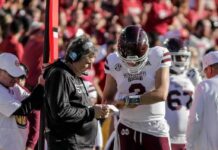
Sources said an armed group ambushed a Vectus Global team in South Kivu on September 17, during movement between sites. The attack left roughly 20 killed or wounded, including at least seven Congolese personnel and foreign contractors. Former Ultimate Fighting Championship fighter and U.S. Army Green Beret Tim Kennedy was shot in the leg multiple times and survived. A New Zealand Special Air Service veteran, named in local reporting as Justin Conaglen, was killed. Vectus declined public comment in initial reporting.
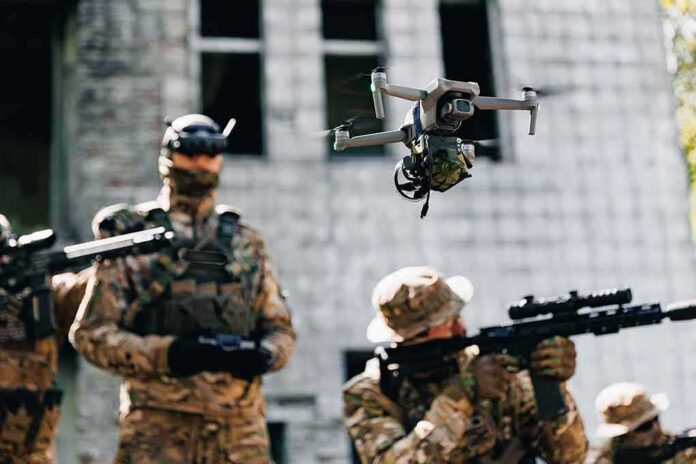
Two sources with direct knowledge attributed the operation to Rwandan military forces, citing the level of planning and execution. One Congolese government source said Rwandan elements aligned with the March 23 Movement may have tracked a surveillance drone to find the team’s position. Reporting described an organized ambush timed during a road movement, a hallmark of trained units. Rwanda has denied backing the March 23 Movement in the past, but has faced repeated allegations from international bodies.
Why This Team Was a Target
Vectus Global was operating under a Congolese security support arrangement that, according to United Nations expert reporting cited in news accounts, included border security tasks, aircraft support, and strategic advice to the Congolese military. That role placed contractors close to front-line activity against the March 23 Movement. Such support can threaten rival forces and their backers, making patrols and transfers high-risk. Attacking the team between locations likely aimed to inflict losses and disrupt the broader mission.
The ambush also sits inside a larger pattern in eastern Congo. United Nations Group of Experts and Western governments have documented Rwandan support to the March 23 Movement over several years, including direct intervention claims, which Rwanda disputes. Legal analysis notes that support to a proxy does not make every act legally attributable, but it increases operational overlap on the ground. That contested space helps explain why private teams become targets when they bolster state forces.
Cobalt, Contractors, and the Costs of Secrecy
Eastern Congo holds some of the world’s most important cobalt and copper deposits, which power phones, cars, and the electric grid. Control of roads, airstrips, and mine routes can decide who profits and who does not. When a private security team moves into that fight, lines blur between state duty and private work. That can leave families, taxpayers, and voters unsure who set the mission, who pays, and who is accountable when people die.
INTELLIGENCE BRIEF
Subject: Reported Ambush of Vectus Global/FSG Personnel — Eastern DRC
Date: 10 October 2026
Classification: Open-Source Assessment📌 SUMMARY
In mid‑September 2026, personnel linked to entities Vectus Global and FSG — both associated with Erik Prince,… pic.twitter.com/n3xJwOSfeU
— INTELLIGENCE FRONT⚡️ (@IntelFrontUnit) October 10, 2026
Americans across the spectrum see a familiar pattern here. Powerful players strike deals far from home, while working people carry the risk. Conservatives worry about entanglement abroad and costs that never seem to end. Liberals worry about profit-driven security and a widening gap between elites and everyone else. Both sides see a government that struggles to set clear rules and protect the national interest with transparency and care. This incident will test those standards again.
What to Watch Next
Officials in Congo and international investigators may release more findings on who planned the attack and how it was carried out. Forensic work could examine weapons, radios, and any drone data to trace the attackers. Families of the dead will seek answers. Lawmakers in Washington may ask how American citizens came under fire in a foreign war zone and what oversight exists for such contracts. Clear facts, not spin, should guide the next steps.
Sources:
mediaite.com, usnews.com, yahoo.com, athlonsports.com, thebrief.news, nypost.com, x.com
© truetrendnews.com 2026. All rights reserved.