
India’s voter-roll cleanup sparked a Supreme Court fight after reports said two serving commissioners objected to key steps for months.
Story Snapshot
- Two election commissioners reportedly filed repeated objections over voter-roll changes.
- Opposition leaders marched to the Supreme Court and filed petitions challenging the process.
- Reports say tens of millions of names were struck from draft rolls across India.
- The Election Commission says decisions were unanimous and aimed at removing ineligible entries.
What Triggered The Supreme Court Push
The Indian Express reported that Election Commissioners Sukhbir Singh Sandhu and Vivek Joshi recorded objections at least 14 times over 10 months about Special Intensive Revision decisions, including voter registration, deletions, restorations, and software control. The same reporting described claims that a statutory form was changed despite advice and that information technology control over rolls was centralized. These reports shifted the dispute from speeches to paperwork inside the election authority, raising the stakes for court review.
The scale of the revision fueled alarm. The Indian Express reported that the Special Intensive Revision began in Bihar in June 2025 and that more than 13 crore names were struck from draft rolls across 30 states and Union territories. The BBC said tens of millions of names were removed and reported that opposition leader Rahul Gandhi submitted a petition to the Supreme Court. Striking names from a draft is not the same as a final deletion, but the raw totals drew national attention.
How The Opposition Framed Its Case
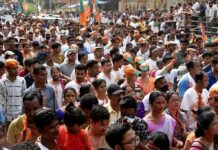
The BBC reported that Rahul Gandhi led a march in New Delhi toward the Supreme Court, as police set up barricades and enforced limits on large gatherings. The Indian Express said opposition leaders filed a joint petition asking the Court to act on the Special Intensive Revision and to remove the chief election commissioner. Separate legal filings reportedly argue that the nationwide Special Intensive Revision lacked proper authority and failed to follow required procedures, seeking to void actions taken under it.
The petitions point to process, not only politics. Reports say the filings ask the Court to decide if the Election Commission could centralize software control, change forms, and reassign tasks without full Commission approval. Those questions are concrete and can be judged against statutes and rules. Still, the record available to the public relies on secondary reporting about internal notes rather than full, published documents, which limits outside verification of the exact language and context.
What The Election Commission Says In Response
The Election Commission said differences among commissioners are part of normal decision-making and that final decisions on the Special Intensive Revision were unanimous. The BBC also reported the Commission’s stated aim: remove duplicate and ineligible entries while keeping every eligible voter on the rolls. Government and Commission guidance list accepted documents and stress that no eligible citizen should be excluded, placing responsibility on registration officers to verify eligibility before inclusion.
The Commission’s framing focuses on routine roll hygiene and rules that exist to protect voters and the system. It challenged opposition claims of “vote theft” and emphasized that the order authorizing the nationwide revision had Commission-wide approval, according to press reports. That line seeks to turn a story of conflict into one of normal administration, even as questions remain about how specific software and form changes were approved and implemented.
What We Know, What We Do Not
Reports do not yet establish how many of the struck draft names were duplicates, deceased, or otherwise ineligible, versus eligible voters who risk exclusion from final rolls. The figures cited refer to draft lists, not final registers. No final Supreme Court ruling has been reported in the sources provided, so the legal status of the nationwide Special Intensive Revision and any ordered fixes remain open in this record. These gaps matter because they separate alarming totals from proven disenfranchisement.
Indian Opposition Marches to Supreme Court Over Voter List Revisions
• Opposition parties and protesters marched to India's Supreme Court in New Delhi
• Demonstrators demanded resignation of Chief Election Commissioner Gyanesh Kumar
• Protests target voter list revisions… pic.twitter.com/vJNTIkL0RT— The Unbiased Update (@unbiased_update) October 12, 2026
The shared concern across ideologies is clear: fair rolls are the base layer of trust. Conservatives and liberals alike know how bureaucratic systems can fail the public. When internal objections surface and millions of draft names disappear, citizens reasonably ask who checked the work and who can fix errors fast. A credible path forward would include full release of the commissioners’ written objections and an independent audit tracking draft deletions to final roll outcomes.
Sources:
indianexpress.com, bbc.com, newindianexpress.com, eci.gov.in
© truetrendnews.com 2026. All rights reserved.