
Trump’s vaccine shake-up puts the White House on a collision course with the World Health Organization, which says the childhood schedule rests on decades of evidence, not politics.
Quick Take
- The World Health Organization says childhood vaccine timing is based on more than 60 years of research and review.
- President Trump’s new order cuts the number of routine childhood recommendations and splits the measles, mumps, and rubella shot.
- The administration says the changes are tied to a research push and a new policy review.
- Doctors and public health groups say there is no published evidence that splitting the combined shot helps children.
WHO Says the Schedule Is Built on Long-Running Evidence
The World Health Organization says the basic childhood immunization schedule is not guesswork. In Geneva, WHO spokesperson Tarik Jašarević said the recommendations come from more than 60 years of research by the organization, national authorities, and independent expert groups. He said the timing of shots reflects when children are most exposed to disease and how the immune system develops.
That message is meant to answer Trump’s order directly. The administration has moved to lower the number of routine childhood vaccine recommendations, and the change has triggered a fast public fight over science, parental choice, and the role of federal health agencies. WHO’s response is clear: it sees the schedule as a science-based public health tool, not a menu for political revision.
What Trump Changed
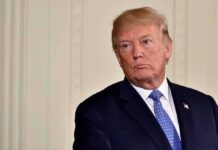
Trump signed an executive order that reduces the number of childhood vaccines recommended for all children from 18 to 11, according to reporting and a White House fact sheet. The order also says the combined measles, mumps, and rubella vaccine should be separated into three shots. For vaccines no longer universally recommended, the policy shifts families toward a “shared clinical decision” with doctors.
The order affects vaccines that had been part of broad childhood guidance, including hepatitis A, hepatitis B, rotavirus, meningococcal disease, influenza, and COVID-19. Reporting says the administration is presenting the overhaul as a “gold standard” update and a way to spread visits over time. Supporters frame it as flexibility. Critics see a retreat from a long-standing public health model.
Science Debate and Political Fallout
The sharpest dispute is over the split measles, mumps, and rubella shot. The Centers for Disease Control and Prevention has said there is no published scientific evidence that separating the combined vaccine into three individual shots provides any benefit. BBC reporting also noted that multiple studies have found no link between the measles, mumps, and rubella vaccine and autism, including a large Danish study.
🩺 WHO CHALLENGES TRUMP’S VACCINE OVERHAUL.https://t.co/m3ANpqTjI3
⚠️ Eleven Diseases Stay Universal.
💉 MMR May Split Into Three.
👨👩👧 The Hidden Risk Is Missed Doses.@AmerAcadPeds @IDSAInfo @DrPaulOffit @doritmi #TaylorTailored #Trump #WHO #Vaccines
— Taylor Tailored (@TayTailore) August 11, 2026
The administration says the overhaul is part of a research-driven reset, not just a political statement. Reuters reported that WHO countries use independent, evidence-based advisory groups, while U.S. officials are now tying their changes to a new policy direction and further research. Even so, the record supplied here does not show a published technical case proving that the old schedule was unsafe or that the split shot is better.
Why the Fight Matters Beyond Vaccines
This fight goes beyond childhood shots. It reflects a deeper break between federal health officials and the institutions that once anchored vaccine policy. The United States has already left the World Health Organization, and the administration has also clashed with global health programs and advisory systems. That makes the current debate look less like a routine policy update and more like a test of who sets medical standards in America.
It also lands in a political climate where trust is already thin. Parents on the left and right are hearing very different messages from the government, doctors, and public health agencies. Trump allies call the move a correction. Critics call it a risky break from settled science. The result is a policy fight that mixes medicine, ideology, and public distrust in a way that could shape school rules, clinic visits, and future health guidance.
Sources:
insiderpaper.com, aljazeera.com, bmj.com, malaymail.com, bbc.com, cnn.com, en.wikipedia.org, science.org, abcnews.com, pa.gov
© truetrendnews.com 2026. All rights reserved.