
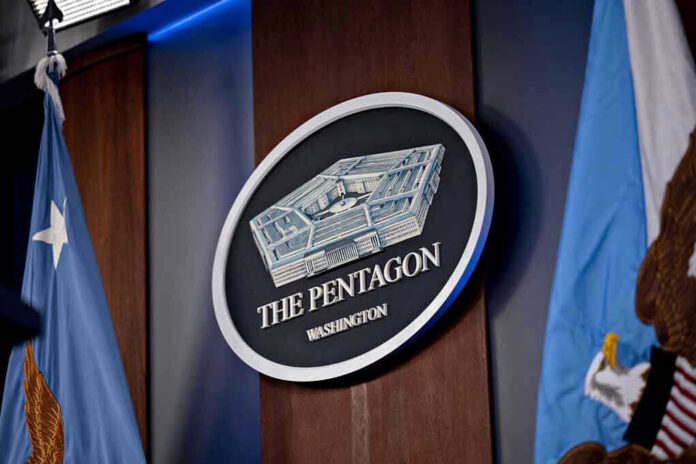
The Pentagon fired Stars and Stripes’ top newsroom leaders for “insubordination” after they warned on national TV against any Defense Department interference in the paper’s journalism.
Story Snapshot
- The Defense Department dismissed the editor in chief, publisher, and a reporter, citing insubordination tied to a CBS interview.
- The firings follow a March memo that affirmed independence while adding new content limits and oversight.
- The ousted leaders say they defended the paper’s long-standing protection from censorship.
- Lawmakers and press advocates have raised alarm about threats to editorial autonomy in a government-funded newsroom.
What happened and why it matters for the military’s newspaper
The Department of Defense removed Stars and Stripes’ editor in chief Erik Slavin, publisher Max Lederer, and reporter Lara Korte. Officials cited insubordination. Reporting ties the action to public remarks the journalists made on CBS about resisting interference in news coverage for service members. Slavin has said he did not pledge to defy orders, but restated that the outlet should operate free of censorship. The newspaper has long described its mission as providing independent reporting to the ranks.
These dismissals cap months of tension between Pentagon leaders and the newsroom. In March, the Pentagon issued a “modernization” memo that confirmed editorial independence yet expanded oversight, restricted use of wire services, and required content to align with “good order and discipline”. Stars and Stripes reported the same memo also curtailed comics and some syndicated features, and added new limits around records requests and controlled unclassified information. Supporters of the changes say standards protect discipline. Critics worry they narrow what troops can read.
How the CBS interview became the trigger for discipline
Coverage from major outlets says the firings were tied to a CBS Sunday Morning segment that aired earlier this summer. In that interview, Slavin warned that any censorship of news for service members would be a “red line.” Korte said she works for Stars and Stripes, not the Pentagon or any administration. The Pentagon labeled their conduct insubordination. Slavin later told reporters he did not vow to defy directives, but urged adherence to laws and rules that shield the paper from news management.
The Pentagon previously dismissed the paper’s congressionally authorized ombudsman, Jacqueline Smith, who said officials no longer wanted her discussing threats to independence. The department confirmed her immediate removal at the time, and Smith said the action could not be grieved under the terms provided. Those moves deepened bipartisan concerns that management decisions were undermining a watchdog role designed to alert Congress to undue influence over coverage.
Why both left and right see a deeper problem
Stars and Stripes holds a rare role. It is funded and housed within the Pentagon’s media structure, but it has historically operated under First Amendment principles, with explicit protections for editorial independence. Congress and the Government Accountability Office have wrestled with this balance for decades, citing risks of command influence and “news management” when military leaders write the rules for journalists who cover them. That built-in tension is back in the spotlight now.
Conservatives worry that “woke distractions” crept into military culture and want a sharper focus on readiness and discipline. Liberals worry about government pressure on journalists and shrinking space for dissent. Many on both sides now share a core fear: powerful officials can change rules, pull budgets, or fire people to steer what the public—and the troops—are allowed to read. When that happens, trust drops, and citizens see another example of insiders protecting their own.
What comes next and what to watch
A lawsuit filed earlier this summer challenges the Pentagon’s March memo, arguing that new limits violate the paper’s legal protections and chill reporting that troops rely on to stay informed. The suit highlights rules on wire services, comics, records requests, and “good order and discipline” standards as examples that could narrow coverage. Separately, lawmakers have pressed the Pentagon to explain how it will preserve independence while enforcing the new guidance.
Two simple tests can show where this heads. First, do future personnel moves target journalists for public comments about independence, or for their published reporting? Second, do coverage gaps appear on sensitive topics that affect rank-and-file troops? Clear answers will help service members, families, and taxpayers judge whether the Pentagon is safeguarding discipline—or steering a newsroom. For now, the record shows escalating oversight and the firing of key independence advocates.
Sources:
feedpress.me, cnn.com, npr.org, motherjones.com, timesofindia.indiatimes.com, x.com, semafor.com, washingtonpost.com, reddit.com, yahoo.com, nytimes.com, stripes.com, independent.co.uk
© truetrendnews.com 2026. All rights reserved.