

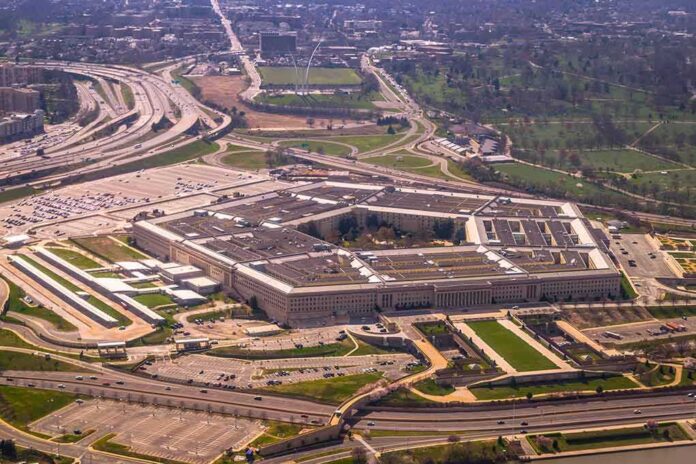
America’s defense watchdog says the Pentagon let a $285 billion maintenance backlog pile up while troops face moldy barracks and failing facilities.
Story Snapshot
- Government Accountability Office reports a $285 billion backlog tied to underfunded base maintenance.
- Defense Department has funded about 80% of known upkeep needs, short of its 90% goal.
- Examples include crumbling base infrastructure and barracks with mold and broken systems.
- Congress and auditors warn these gaps risk mission readiness and quality of life.
What GAO Found About the Backlog
The Government Accountability Office (GAO) reported that the Department of Defense did not request full funding for base maintenance and major facility improvements. GAO said the shortfall contributed to an estimated $285 billion backlog in fiscal year 2025. GAO also noted that the department set a target to fund 90 percent of maintenance needs, but services have not met that mark. GAO said Defense officials have not fully defined the risks from missing this goal.
Past audits show this is not new. In fiscal years 2017 through 2020, the budget request covered about 80.6 percent of facility sustainment requirements, below the 90 percent target. In fiscal year 2020, GAO recorded deferred maintenance of $137 billion. The figure has since grown to the 2025 estimate of $285 billion cited in the new report. GAO has warned for years that these gaps can grow faster than fixes.
How Conditions Show Up On the Ground
Reporters and auditors linked the backlog to real problems across installations. Military Times described mold, broken plumbing, and heating and cooling failures in barracks, drawing from a 118-page oversight report. Air and Space Forces Magazine highlighted deteriorating facilities at places like Minot Air Force Base, calling the rising backlog a significant and growing mission risk. Fortune pointed to crumbling parking lots at Minot and maintenance barriers at Twentynine Palms. These are not isolated headlines; they track with GAO’s long trend lines.
Quality-of-life issues can bleed into readiness. The Senate Armed Services Committee has stated that infrastructure is a core piece of readiness and that tackling the deferred maintenance backlog is necessary. While not every base or unit faces the same conditions, GAO and service leaders have warned that shortfalls force tough tradeoffs. Dollars shift to near-term operations and new gear while roofs, pipes, and roads wait their turn. Waiting raises costs and stress for service members and families.
Why the Gap Persists And What It Means
Defense leaders and Congress juggle many demands. GAO says the Defense Department often funds base upkeep at about 80 percent due to competing priorities. That choice pushes projects into the future. Inflation, aging buildings, and staffing limits can make delayed work even more expensive. GAO’s current record ties the rising backlog to under-requesting, but it does not split the total by each driver in detail. That data gap makes precise blame hard to assign from public sources.
💰💰 A new Government Accountability Office (GAO) report finds that the maintenance backlog for military installations has ballooned to more than $285 billion — leaving many facilities in disrepair, while risking readiness and service members’ quality of life.
⬆️⬆️ This figure… pic.twitter.com/37RmCeUiI0
— WS News (@warstrike88) August 29, 2026
For many Americans, this story hits a nerve. Voters on the right and left see huge budgets but broken basics. They worry that elites protect pet programs while troops live with mold and cold showers. The facts here back part of that view: GAO confirms years of shortfalls versus known needs. Leaders across parties say safe housing and reliable facilities are not extras; they are the floor. Fixing the floor will take clear data, steady funding, and accountability that lasts longer than one budget cycle.
Sources:
zerohedge.com, govconfeed.com, washingtontimes.com, mymilitarybenefits.com, airandspaceforces.com, responsiblestatecraft.org, gao.gov
© truetrendnews.com 2026. All rights reserved.